
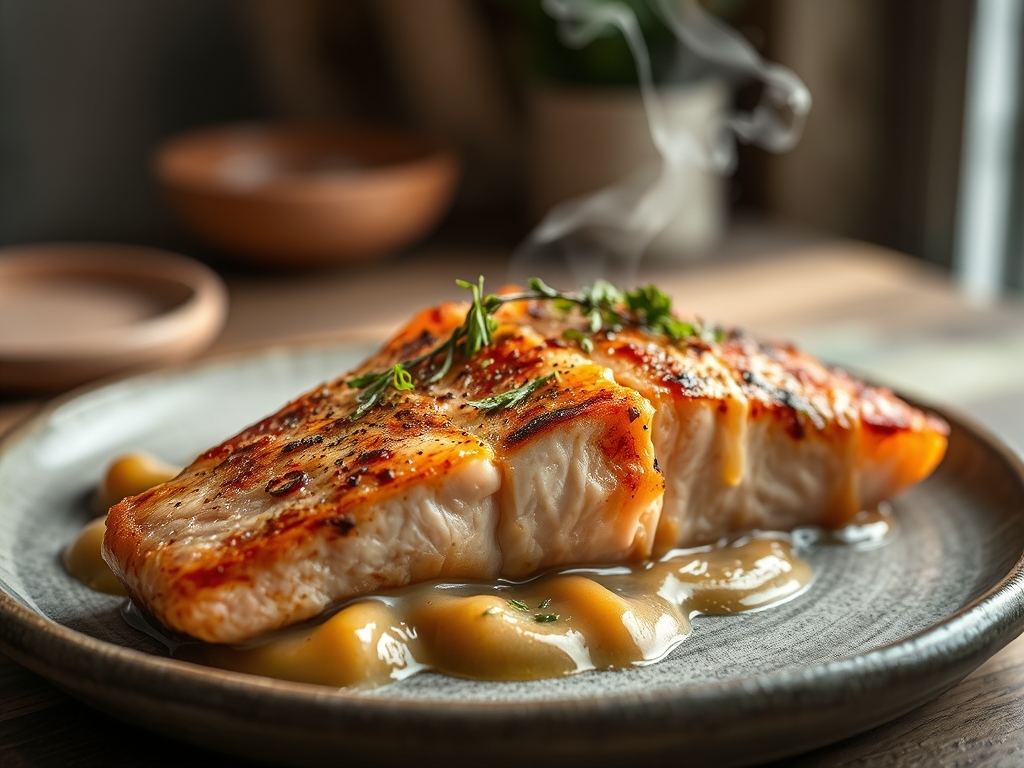
Picture the scene: you open your refrigerator to find a lonely, cold fillet of Atlantic salmon resting in a plastic container. Most people see a sad lunch, but you are about to see a culinary blank canvas. Finding easy leftover salmon recipes is not just about convenience; it is about reclaiming high-quality protein through the lens of molecular transformation. We are moving beyond the microwave to unlock textures that were impossible during the initial sear.
The challenge with reheating salmon is the structural integrity of the muscle fibers. Once cooked, the collagen has already dissolved into gelatin. If you hit it with high heat again, you risk squeezing out the remaining moisture and ending up with something resembling a pink pencil eraser. Instead, we are going to use that leftover flakiness to our advantage. By flaking the cold meat and integrating it into new emulsions, fats, and starches, we create dishes that often taste superior to the original meal. Whether we are building a piquant salad or a crispy patty, the goal is to respect the delicate lipids while introducing bold, new aromatics.
The Gathers:
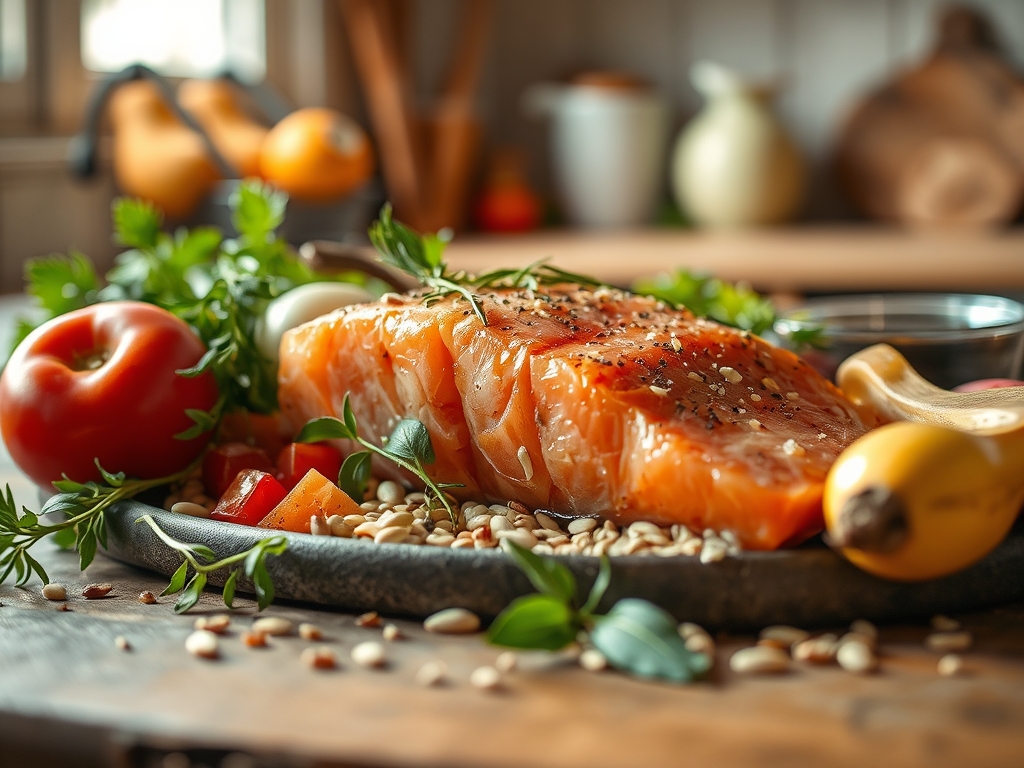
To execute these easy leftover salmon recipes, your mise-en-place must be precise. Start with your cold salmon, ensuring you have removed any residual skin unless you plan to crisp it separately. You will need a high-quality fat source to restore the mouthfeel; think Greek yogurt for tang or a heavy cream for a viscous sauce. Fresh aromatics are non-negotiable. Grab a bunch of dill, a lemon for its bright citric acid, and capers for a burst of salt.
For the structural components, gather panko breadcrumbs, a single egg to act as a protein binder, and perhaps some cooked quinoa or farro for a complex carbohydrate base. Use your microplane to zest the lemon and grate a clove of garlic into a fine paste. If you are missing an ingredient, don't panic. Smart substitutions include using silken tofu instead of yogurt for a dairy-free creamy base, or crushed crackers if you have run out of panko. The key is to balance the richness of the fish with sharp, acidic, and crunchy elements to keep the palate engaged.
The Clock: 15 Minutes to Glory
The "Chef's Flow" is all about minimizing active heat time to prevent overcooking. Your total prep time for these variations is roughly 10 minutes, with a cook time of 5 minutes or less. Because the salmon is already par-cooked, you are simply "assembling and warming."
Start by prepping all cold ingredients first. While your heavy-bottomed skillet preheats over medium heat, you should be flaking the fish and mixing your binders. By the time the pan reaches the Leidenfrost point (where a drop of water dances on the surface), your salmon cakes or stir-fry components should be ready to hit the oil. This synchronized approach ensures that the fish spends the absolute minimum amount of time exposed to thermal stress.
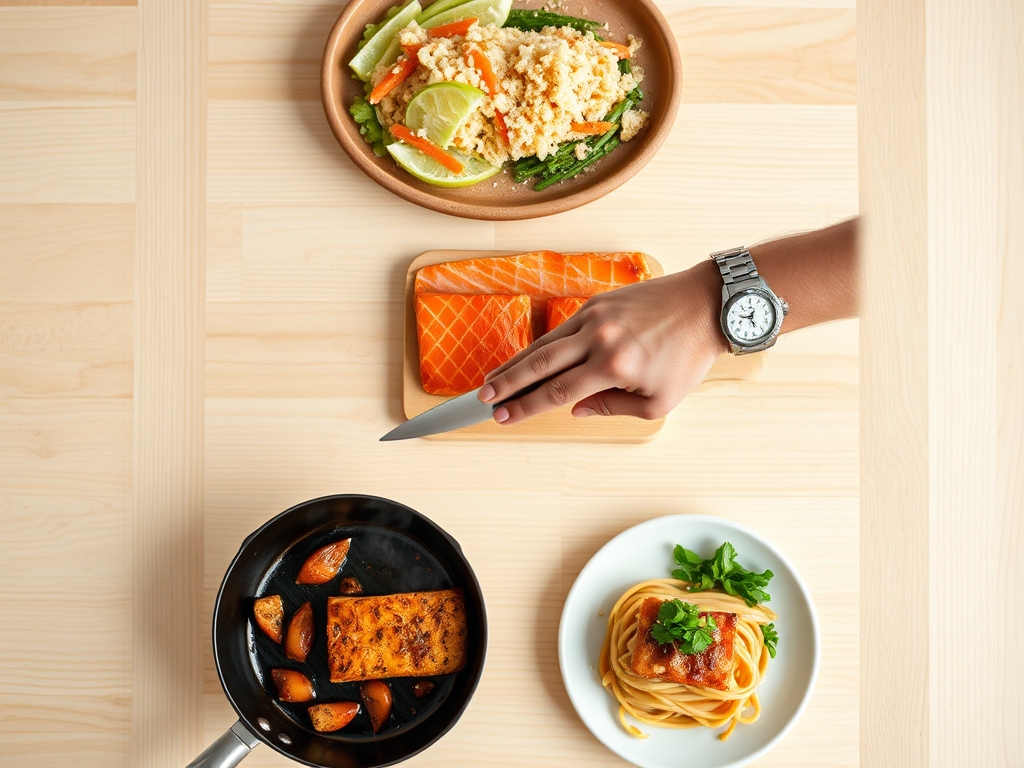
The Masterclass: 7 Ways to Recreate
1. The Golden Salmon Croquette
Flake your salmon into a bowl and mix with a tablespoon of Dijon mustard, panko, and a beaten egg. Form into small discs and sear in a heavy-bottomed skillet until a deep golden crust forms.
Pro Tip: This relies on the Maillard reaction, a chemical reaction between amino acids and reducing sugars that gives browned food its distinctive flavor. Keep the heat medium-high to ensure the crust forms before the interior dries out.
2. Piquant Salmon Salad Tostadas
Mix cold flaked salmon with lime juice, red onion, and avocado. The acid in the lime juice brightens the heavy fats of the fish. Serve on a crispy corn tortilla.
Pro Tip: Use denaturation to your advantage. The citric acid slightly alters the protein structure of the cold fish, making it firmer and more "fresh" to the tooth.
3. Creamy Salmon and Dill Pasta
Boil your pasta and, in the final sixty seconds, toss in your flaked salmon and a splash of heavy cream into a saucier. The residual heat of the pasta is enough to warm the fish.
Pro Tip: This is an example of thermal carryover. By using the pasta water's latent heat, you avoid direct pan heat which would cause the salmon to weep albumin (the white protein dots).
4. The Salmon Power Bowl
Combine your leftover fish with cold quinoa, roasted chickpeas, and a tahini dressing. Use your digital scale to balance the portions for a perfect macro-split.
Pro Tip: Cold salmon contains resistant starch if paired with cooled grains. This combination is excellent for gut health and provides a steady release of glucose.
5. Smoked Salmon Style Spread
Pulse your leftovers in a food processor with cream cheese, capers, and lemon zest until it reaches a spreadable consistency.
Pro Tip: This process creates a stable emulsion. The fats in the cheese encapsulate the fish particles, preserving the flavor and preventing oxidation.
6. Salmon Fried Rice
Sauté day-old rice in a wok with ginger and garlic, then fold in the salmon at the very end. Use tongs to gently incorporate the fish so it does not turn into mush.
Pro Tip: The high heat of the wok allows for enzymatic browning of the rice, while the short exposure time for the salmon prevents the delicate Omega-3 fatty acids from degrading.
7. Mediterranean Salmon Wraps
Tuck cold salmon into a warm pita with tzatziki, cucumbers, and kalamata olives. Use a bench scraper to neatly chop your veggies into uniform dice for even distribution.
Pro Tip: The contrast in temperatures between the warm pita and cold salmon creates a sensory experience known as thermophysical contrast, which makes the meal feel more complex and satisfying.
The Deep Dive: Science and Solutions
From a macro perspective, salmon is a nutritional powerhouse. It is dense in Vitamin B12 and Vitamin D, which are essential for neurological function. If you are following a Keto diet, skip the breadcrumbs in your patties and use almond flour. For a vegan-adjacent swap, you can mimic the texture of salmon using marinated carrots, though the protein profile will differ significantly.
The Fix-It: Common Pitfalls
- The Fish is Too Dry: Fold in a tablespoon of mayonnaise or Greek yogurt. The lipids will coat the dry fibers and restore a succulent mouthfeel.
- The Patties Fall Apart: You likely have too much moisture. Add more panko or let the mixture chill in the fridge for 20 minutes to allow the binders to set.
- The Smell is Too "Fishy": This is caused by Trimethylamine oxide (TMAO) breaking down. Neutralize it with an acid like lemon juice or vinegar to convert the amines into non-volatile salts.
Meal Prep Mastery: When reheating, the oven is your friend. Place salmon in a shallow dish with a tablespoon of water, cover tightly with foil, and heat at 275 degrees Fahrenheit. This creates a mini-steamer environment that gently rehydrates the proteins.
The Wrap-Up
Transforming your leftovers into easy leftover salmon recipes is a masterclass in kitchen efficiency and flavor chemistry. By understanding how heat affects protein and how acids balance fats, you turn a "repeat" meal into a gourmet experience. Don't let that beautiful fish go to waste; grab your microplane, find your favorite aromatics, and start flaking. Your future self (and your taste buds) will thank you for the effort.
The Kitchen Table
How long is leftover salmon good for?
Stored in an airtight container, leftover salmon stays fresh for three to four days. Always ensure your refrigerator is set to 40 degrees Fahrenheit or below to inhibit bacterial growth and maintain the structural integrity of the fish.
Can I freeze leftover cooked salmon?
Yes, you can freeze it for up to three months. To prevent freezer burn, wrap it tightly in plastic wrap and then place it in a heavy-duty freezer bag. Defrost it slowly in the refrigerator before using in cooked recipes.
What is the best way to reheat salmon without drying it out?
The best method is low and slow. Use an oven at 275 degrees Fahrenheit with a splash of water or broth, covered tightly with foil. This creates steam, which gently warms the fish while maintaining its internal moisture.
Why does my reheated salmon have white spots?
Those white spots are a protein called albumin. When salmon is heated too quickly, the muscle fibers contract and squeeze the liquid protein to the surface, where it coagulates. To avoid this, use very gentle, indirect heat during reheating.