
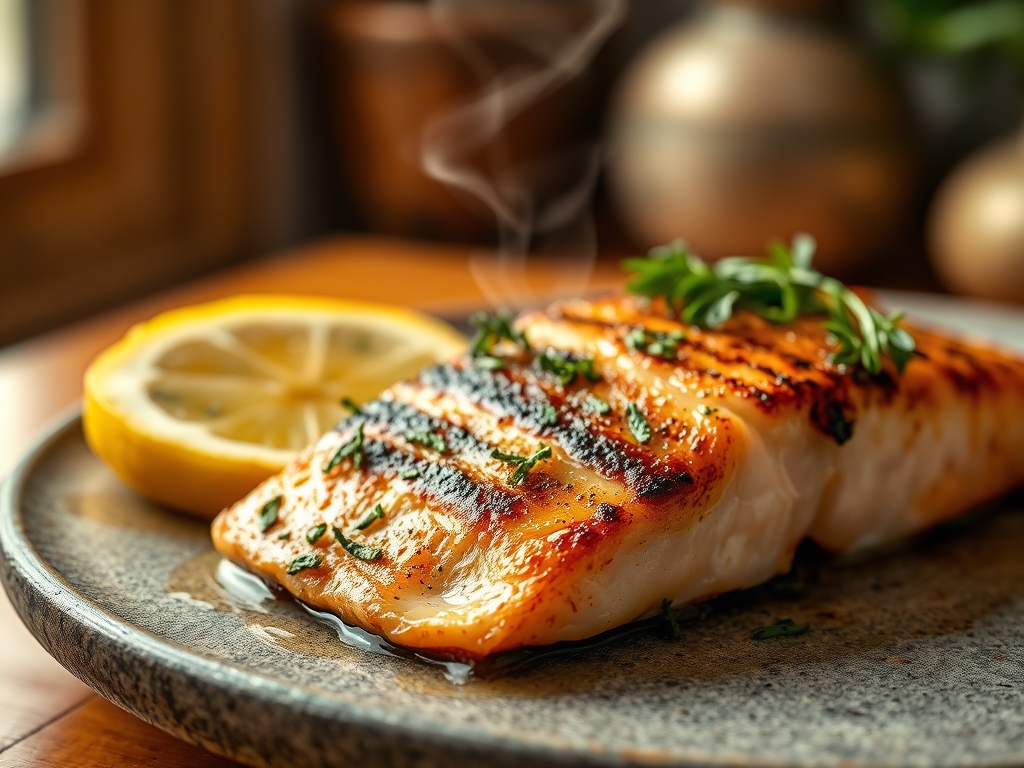
Imagine a kitchen filled with the scent of bright citrus and toasted aromatics. There is something deeply satisfying about the sizzle of fat against a hot surface; specifically, that moment when cold protein meets a shimmering glaze. If you are searching for baked salmon recipes lemon garlic, you have likely realized that the difference between a dry, chalky fillet and a succulent, butter-soft masterpiece lies in the precision of your chemistry. We are not just cooking dinner tonight; we are orchestrating a series of thermal reactions designed to maximize moisture retention while coaxing out the deepest savory notes possible from a few simple, high-quality ingredients.
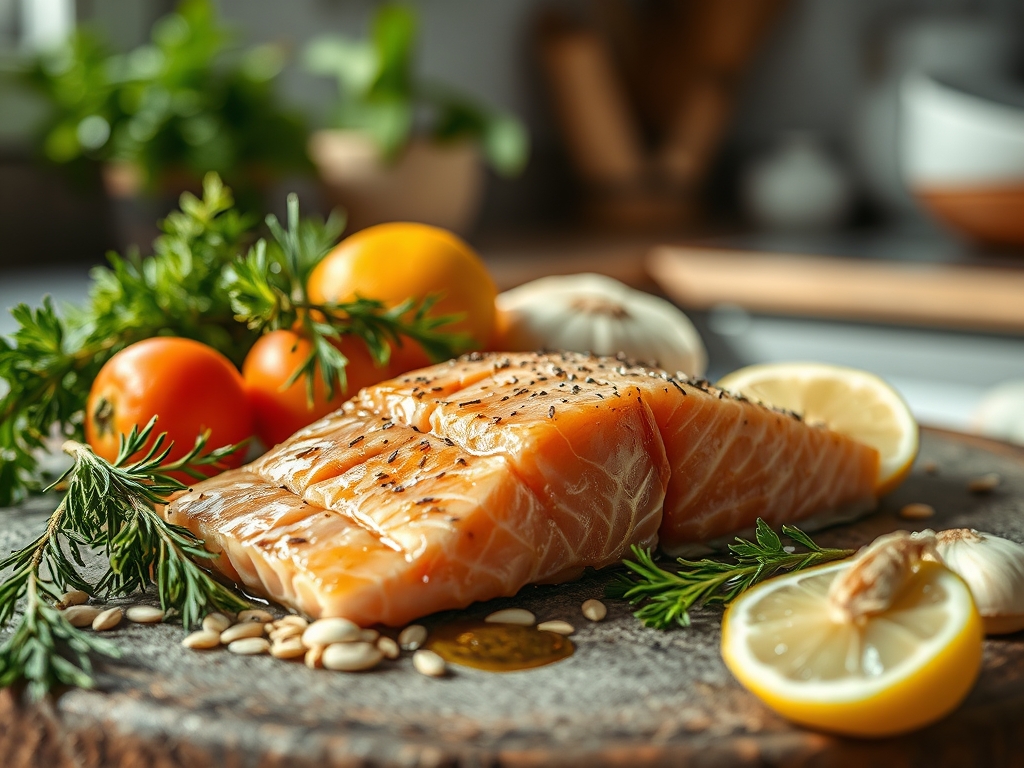
The Gathers:
To begin, clear your workspace and reach for your digital scale to ensure your portions are uniform. Precision is the enemy of uneven cooking. For this recipe, you will need a 1.5-pound side of King or Atlantic salmon. Look for deep pigmentation and firm muscle fibers. You will also need four cloves of garlic, two large lemons, high-quality unsalted butter, and fresh parsley.
The science of flavor starts with your microplane. We are using it to harvest the zest, which contains the essential oils (limonene) that provide a piquant punch without the acidic bite of the juice. Your garlic should be processed into a fine paste using the flat side of a chef knife and a pinch of kosher salt; this breaks down the cell walls to release allicin, the compound responsible for that characteristic pungent aroma.
Smart Substitutions:
If you are avoiding dairy, swap the butter for a high-smoke-point avocado oil to maintain the viscous mouthfeel. For those who want a deeper umami profile, a teaspoon of white miso paste whisked into the lemon juice adds a fermented complexity that mimics the richness of aged parmesan. If fresh parsley is unavailable, use chervil for a delicate anise finish or cilantro for a brighter, more aggressive herbaceous note.
The Clock:
Efficiency in the kitchen is about "Chef's Flow." This is the practice of overlapping tasks so that no heat is wasted. Your total active preparation time is exactly 12 minutes, followed by a 15-minute bake.
Start by preheating your oven to 400 degrees Fahrenheit. While the heating elements are cycling, perform your mise-en-place. By the time your saucier has melted the butter and infused the garlic, your oven's internal cavity will have stabilized. This synchronization ensures the fish enters a high-heat environment immediately, preventing the proteins from weeping moisture as the temperature slowly climbs.
The Masterclass:
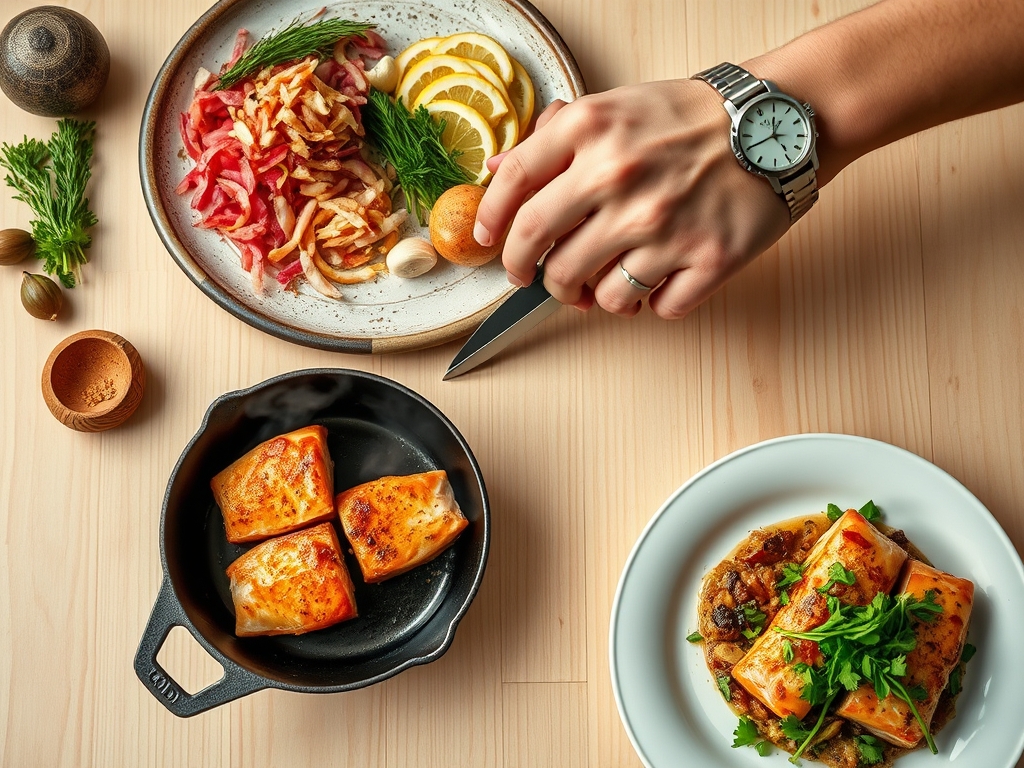
1. The Tempering Phase
Take your salmon out of the refrigerator 20 minutes before cooking. Pat the surface bone-dry with paper towels. Removing surface moisture is critical; if the fish is damp, the oven's energy will be wasted evaporating water rather than searing the flesh.
Pro Tip: This prevents "thermal shock." If cold fish hits a hot pan, the muscle fibers contract violently, squeezing out the albumin (that white gunk). Tempering ensures a gentle, even rise in internal temperature.
2. The Emulsion Infusion
In a small saucier, melt your butter over low heat. Add the garlic paste and lemon zest. Whisk constantly until the mixture becomes slightly opaque and the garlic is fragrant but not browned.
Pro Tip: This is a fat-based infusion. Many flavor compounds in garlic and lemon are fat-soluble, meaning the butter acts as a carrier, delivering those aromatics deep into the flake of the fish rather than letting them evaporate into the air.
3. The Structural Shield
Place the salmon skin-side down on a parchment-lined sheet pan. Use a pastry brush to apply a thick layer of your lemon-garlic emulsion. Season generously with cracked black pepper and flaky sea salt.
Pro Tip: The skin acts as a natural insulator. By keeping the skin on during the bake, you protect the delicate underside from the direct heat of the metal pan, allowing the fat to render slowly and baste the meat from below.
4. The Thermal Blast
Slide the pan into the center rack of the oven. Bake for 12 to 15 minutes, depending on the thickness of the fillet. You are looking for an internal temperature of 125 to 130 degrees Fahrenheit for a perfect medium-rare to medium finish.
Pro Tip: Use a digital probe thermometer. Relying on "look" is risky. At 130 degrees, the connective tissue (collagen) has dissolved into gelatin, but the protein hasn't yet tightened into a dry, fibrous state.
5. The Acidic Brightening
Immediately upon removing the salmon from the oven, squeeze fresh lemon juice over the hot fillets. The heat will help the juice penetrate the surface layers.
Pro Tip: This is known as "layering acidity." The zest provided the aroma in step two; the juice provides the bright, tongue-tingling sensation that cuts through the richness of the fish oils and butter.
6. The Carryover Rest
Transfer the salmon to a warm platter using wide tongs or a fish spatula. Let it rest for five minutes before serving. Cover it loosely with foil if your kitchen is drafty.
Pro Tip: This allows for thermal carryover. The internal temperature will rise another 5 degrees while resting. More importantly, it allows the juices to redistribute so they don't flood the plate when you take your first bite.
The Deep Dive:
When we look at the macro profile, this dish is a nutritional powerhouse. A 6-ounce serving provides roughly 34 grams of high-quality protein and 20 grams of healthy fats, primarily Omega-3 fatty acids. It is naturally low in carbohydrates, making it a staple for ketogenic lifestyles.
Dietary Swaps:
For a vegan version, use the same lemon-garlic infusion on thick slices of "Lion's Mane" mushroom or cauliflower steaks. The porous nature of these vegetables mimics the way salmon absorbs the emulsion. For a Gluten-Free guarantee, simply ensure your butter or oil source is certified, as the core ingredients are naturally wheat-free.
The Fix-It:
- The White Gunk (Albumin): If your fish is covered in white spots, you cooked it too fast or too high. Fix: Lower the oven temp next time and ensure you tempered the fish.
- The Soggy Skin: If the skin is gummy, you didn't dry it enough. Fix: Next time, leave the fish uncovered in the fridge for an hour to "air dry" the skin.
- The Bitter Aftertaste: This happens if you burn the garlic. Fix: Always add garlic to the butter when it is just melted, never when it is smoking.
Meal Prep & Reheating:
To maintain "day-one" quality, do not use the microwave. The high-frequency waves agitate water molecules too violently, toughening the fish. Instead, place leftovers in a covered pan with a splash of water or broth over low heat. This creates a gentle steam environment that rehydrates the proteins without overcooking them.
The Wrap-Up:
Mastering baked salmon recipes lemon garlic is about more than just following a list of steps; it is about understanding how heat, fat, and acid interact to create a balanced bite. By using tools like a microplane for zest and a digital thermometer for precision, you move from being a hobbyist to a technician of flavor. This dish is elegant enough for a dinner party but fast enough for a Tuesday night. Now, grab your apron, trust the science, and get cooking!
The Kitchen Table:
How do I know when the salmon is done without a thermometer?
Press the top of the fillet gently with a fork or your finger. If the flakes separate easily along the white lines of fat (the myocommata), the fish is ready. It should feel firm but have a slight give.
Can I use frozen salmon for this recipe?
Yes, but thaw it completely in the refrigerator overnight. Once thawed, pat it extremely dry with paper towels. Frozen fish often retains more moisture, so drying it is even more critical to prevent a mushy texture during baking.
Why is my garlic turning blue or green?
This is a harmless reaction between the sulfur in the garlic and the acid in the lemon juice. It usually happens with older garlic. To prevent this, use the freshest garlic possible and add the lemon juice at the very end.
What is the best way to store leftovers?
Place the salmon in an airtight glass container and refrigerate for up to three days. For the best texture, avoid freezing cooked salmon, as the ice crystals will rupture the delicate cell walls, leading to a dry result upon thawing.