
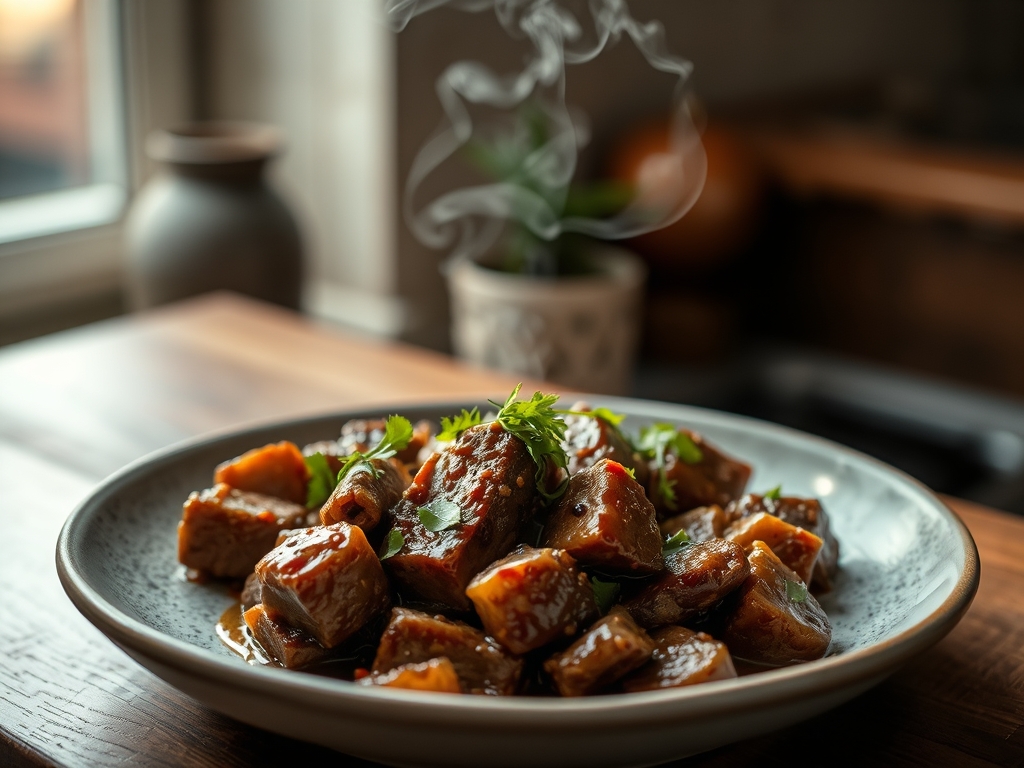
Picture the scene: your kitchen is filled with the scent of toasted sesame oil and ginger while a heavy-bottomed skillet sizzles with intent. While many home cooks spend hours scouring the internet for slow cooker korean beef recipes to find that perfect balance of sweet and savory; you can achieve those same deep, complex flavors in under fifteen minutes using high-heat stir-fry techniques. The secret lies in understanding the molecular transformation of the meat. When beef hits a scorching surface, it undergoes the Maillard reaction; a chemical dance between amino acids and reducing sugars that creates hundreds of different flavor compounds. This is not just cooking; it is edible chemistry. By mastering the art of the flash-sear, you bypass the long wait of a ceramic pot while retaining the juicy, tender interior that makes Korean-inspired beef so addictive. We are trading the low-and-slow simmer for high-velocity heat, ensuring every strip of protein is lacquered in a glossy, piquant glaze that clings to the palate. Let us dive into the mechanics of the perfect healthy stir-fry.
The Gathers:
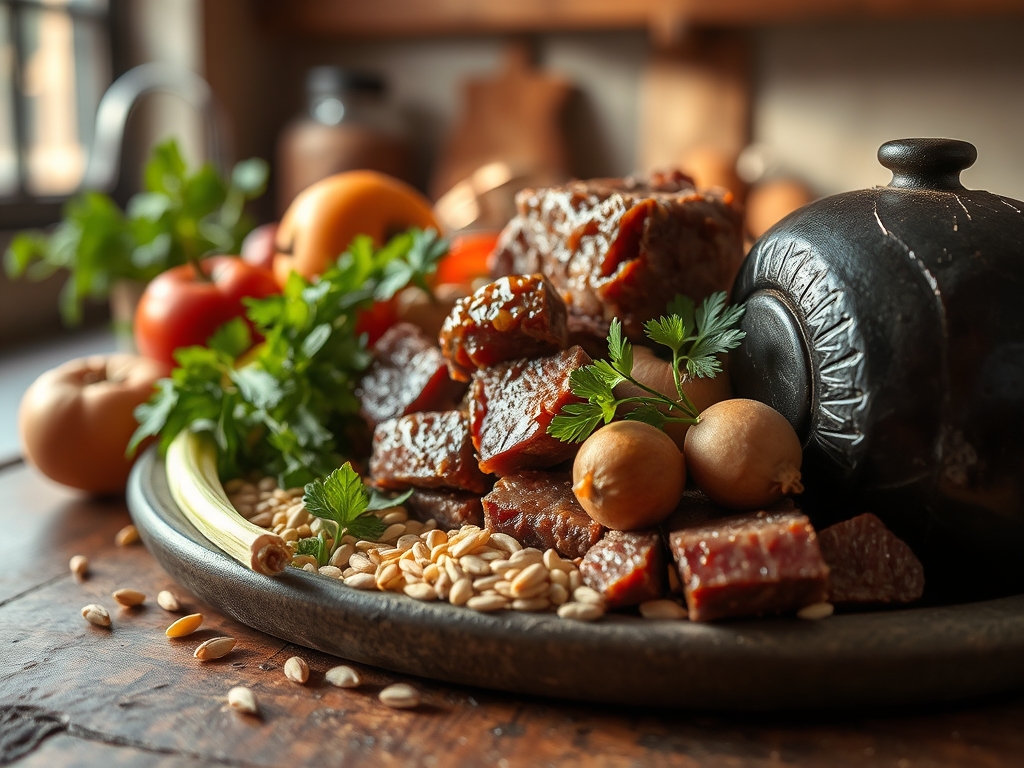
Before the first flame is lit, your mise-en-place must be absolute. Use a bench scraper to organize your aromatics into neat piles on a large cutting board. You will need twelve ounces of flank steak or sirloin tip; sliced against the grain into three-millimeter strips. The thinness is vital for rapid protein denaturation. For the sauce, gather low-sodium tamari, toasted sesame oil, and honey. The viscosity of the honey acts as a binder for the emulsion.
Your aromatics are the soul of the dish. Use a microplane to grate fresh ginger and garlic into a fine paste. This increases the surface area, allowing the volatile oils to infuse the oil instantly without burning. For crunch and color, prepare a rainbow of julienned bell peppers, snap peas, and scallions.
Smart Substitutions: If you are watching your sugar intake, swap the honey for a splash of pineapple juice. The bromelain enzymes in the juice act as a natural tenderizer for the beef. For those seeking a deeper umami profile similar to traditional slow cooker korean beef recipes; add a teaspoon of toasted dashi powder or a drop of fish sauce to the liquid base.
The Clock: Mastering the Chef's Flow
Efficiency in the kitchen is about heat management and sequence. Total preparation time is approximately ten minutes for slicing and whisking. The actual cook time is a lightning-fast five minutes.
The "Chef's Flow" dictates that you prep from hardest to softest texture. Start with the beef so it can marinate at room temperature for a few minutes; this takes the chill off the fibers and prevents the pan temperature from crashing. Next, tackle the fibrous vegetables like carrots or broccoli. Finally, mince the delicate herbs. By the time your skillet reaches the smoke point, your entire workspace is a streamlined assembly line. This prevents the "steaming" effect that occurs when you pause to chop while the pan is already active.
The Masterclass:
1. The High-Heat Sear
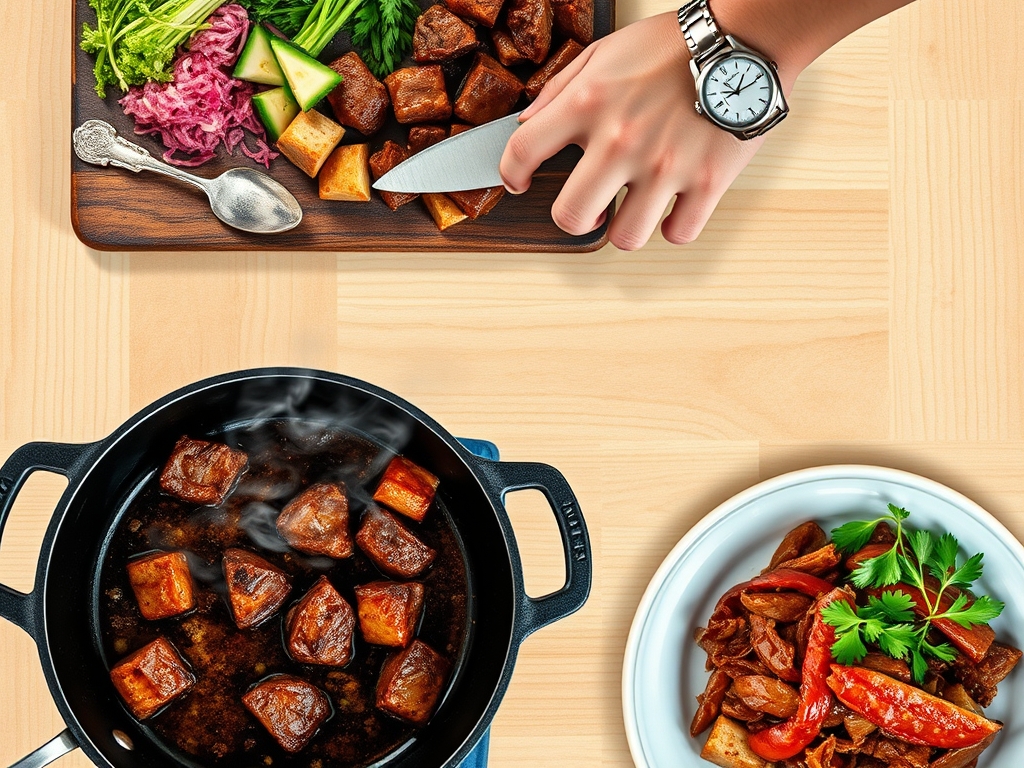
Wipe your heavy-bottomed skillet with a high-smoke-point oil like avocado or grapeseed. Once the oil shimmers, lay the beef strips in a single layer. Do not crowd the pan. Use tongs to flip each piece only once.
Pro Tip: This technique utilizes thermal conduction to create a crust. If you move the meat too soon, you interrupt the formation of the crust and the meat will tear, losing its internal juices.
2. The Aromatic Infusion
Push the beef to the perimeter of the pan and drop your garlic and ginger into the center. Stir for exactly thirty seconds until the scent becomes heady but the color remains pale gold.
Pro Tip: This is lipid-soluble flavor extraction. The essential oils in the aromatics are fat-soluble; meaning they need to bond with the oil in the pan to distribute flavor evenly across the entire dish.
3. The Vegetable Flash-Fry
Toss in your vegetables. Use a vigorous flick of the wrist to aerate the ingredients, ensuring they catch the "breath of the wok" or wok hei.
Pro Tip: Rapid tossing prevents cellulose breakdown. You want to soften the exterior of the vegetables while maintaining a crisp, structural snap in the center.
4. The Deglaze and Glaze
Pour your prepared sauce over the mixture. Use a wooden spoon to scrape up any browned bits on the bottom of the pan.
Pro Tip: This is deglazing. Those browned bits, or fond, are concentrated flavor bombs. The liquid lifts them and incorporates them into a viscous sauce that coats every ingredient.
5. The Final Emulsion
Turn off the heat and toss in a tablespoon of cold butter or a final drizzle of sesame oil. Stir rapidly until the sauce looks glossy and thick.
Pro Tip: This creates a temporary emulsion. The fat molecules suspend within the water-based sauce, creating a luxurious mouthfeel without the need for heavy starches.
The Deep Dive:
Macro Nutrition: A standard serving of this beef stir-fry provides approximately 28 grams of protein, 12 grams of healthy fats, and 8 grams of carbohydrates. It is a metabolic powerhouse that supports muscle recovery while keeping insulin levels stable.
Dietary Swaps: For a Keto version, replace the honey with liquid monk fruit and serve over riced cauliflower. For a Vegan twist, use pressed extra-firm tofu or seitan strips; though you must press the moisture out of the tofu first to ensure it sears rather than steams. For Gluten-Free needs, always verify that your tamari is certified.
The Fix-It:
- Tough Beef: If the meat is chewy, you likely sliced with the grain. Next time, look for the parallel muscle fibers and cut perpendicular to them.
- Watery Sauce: This happens if the pan wasn't hot enough. Fix it by removing the solids and simmering the liquid alone in a saucier for two minutes to reduce it.
- Burnt Garlic: If the garlic turns bitter and black, you added it too early. Always add aromatics last to protect their delicate sugars.
Meal Prep: To maintain "day-one" quality, store the beef and vegetables in airtight glass containers. When reheating, avoid the microwave if possible. Instead, flash-heat in a dry skillet for sixty seconds. This restores the crispness of the vegetables and prevents the beef from becoming rubbery through over-steaming.
The Wrap-Up:
You now hold the keys to a restaurant-quality meal that rivals the most comforting slow cooker korean beef recipes without the six-hour wait. By focusing on the science of the sear and the precision of your mise-en-place; you transform simple ingredients into a sophisticated, nutrient-dense feast. Cooking is the ultimate bridge between biology and art. Now, grab your tongs, crank up the heat, and let the Maillard reaction work its magic. Your kitchen is your laboratory; go make something delicious.
The Kitchen Table:
What is the best cut of beef for stir-fry?
Flank steak or top sirloin are ideal. They are lean yet flavorful. Always slice them thinly against the grain to break up tough muscle fibers; ensuring the meat remains tender during the high-heat cooking process.
How do I prevent my stir-fry from getting soggy?
Ensure your pan is screaming hot before adding ingredients. Cook in small batches to maintain high temperatures. If you overload the skillet, the temperature drops and the vegetables will boil in their own juices instead of searing.
Can I use frozen vegetables for this recipe?
Yes, but thaw and pat them completely dry first. Excess moisture is the enemy of the sear. Any residual ice or water will steam the beef; preventing the Maillard reaction and resulting in a grey, bland texture.
Is stir-fry beef healthier than slow-cooked beef?
Both have merits, but stir-frying often retains more heat-sensitive vitamins in vegetables due to the short cooking time. It also requires less added fat if using a high-quality skillet, making it a fantastic option for lean, healthy fueling.