
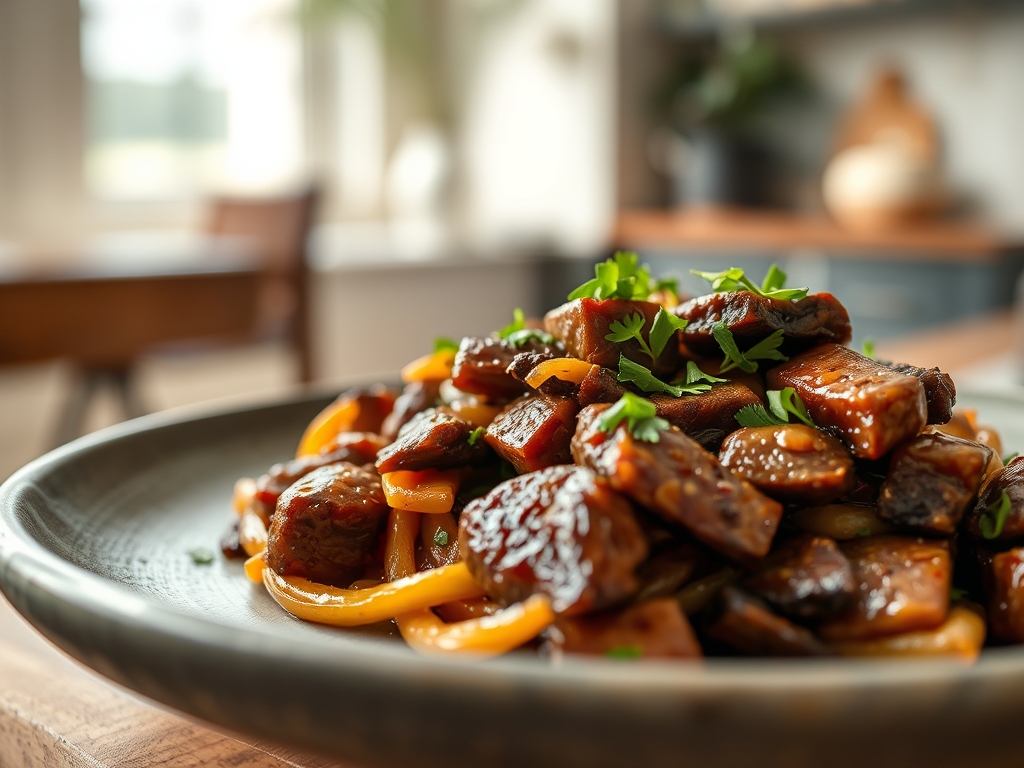
Imagine the sound of a heavy-bottomed skillet meeting a high-flame burner; it is a sharp, metallic ring that signals the start of something incredible. You are standing in your kitchen, tongs in hand, ready to transform humble cubes of protein into a masterpiece. When you are hunting for healthy stir fry beef recipes, you are not just looking for a meal; you are looking for that perfect intersection of speed, nutrition, and explosive flavor. Diced beef is the ultimate kitchen shortcut because it maximizes surface area, allowing for rapid heat transfer and a crust that would make a steakhouse jealous. We are going to move past the soggy, gray meat of takeout past and embrace the science of the sear. This is about more than just dinner; it is about mastering the art of the stir fry to create six distinct, vibrant meals that nourish your body without sacrificing your soul. By focusing on lean cuts and nutrient-dense aromatics, we turn a weeknight chore into a high-performance culinary ritual. Grab your apron; we are about to make magic happen in under twenty minutes.
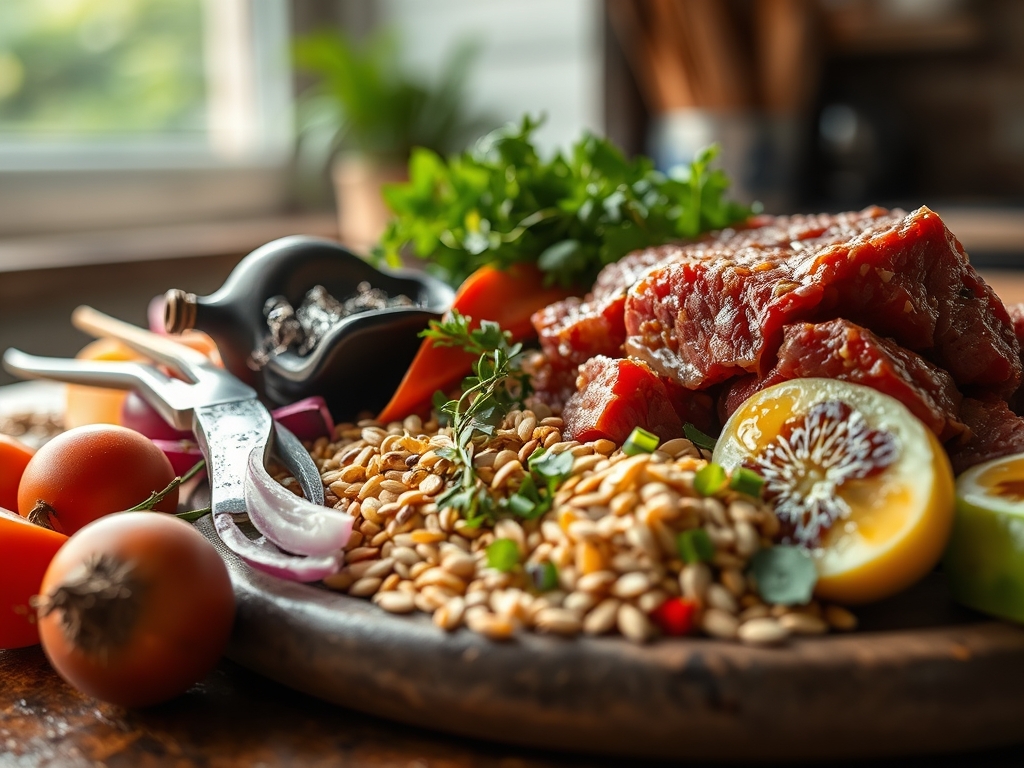
The Gathers:
To execute world-class healthy stir fry beef recipes, your mise-en-place must be impeccable. Start with the beef; look for grass-fed sirloin or flank steak. These cuts are lean but contain enough intramuscular moisture to stay succulent. Use a sharp chef's knife to dice the meat into uniform one-inch cubes. Uniformity is not just for aesthetics; it ensures every piece reaches the target internal temperature simultaneously. You will need a high-smoke-point fat, such as avocado oil or refined coconut oil, to handle the intense thermal energy required for the Maillard reaction.
Next, gather your aromatics. Fresh ginger and garlic are non-negotiable. Use a microplane to grate them into a fine paste; this increases the surface area and allows the essential oils to infuse the oil almost instantly. For the crunch, reach for snap peas, bell peppers, and broccoli florets. These vegetables provide the piquant contrast to the savory beef. For the liquid gold, keep low-sodium tamari, rice vinegar, and a touch of toasted sesame oil nearby.
Smart Substitutions: If you are watching your sodium, coconut aminos offer a fantastic 1:1 swap for soy sauce with a slightly sweeter profile. For those avoiding nightshades, swap the chili flakes for cracked black pepper or fresh horseradish to maintain that bite. If you find your beef is a bit too lean, a teaspoon of baking soda tossed with the raw meat (the "velveting" technique) will chemically tenderize the fibers by raising the pH level on the surface.
The Clock
Efficiency in the kitchen is all about the "Chef's Flow." For these healthy stir fry beef recipes, your total active time is approximately 25 minutes. Prep takes 15 minutes; this includes dicing the beef, slicing the vegetables, and whisking your sauce. The actual cooking time is a lightning-fast 8 to 10 minutes.
The secret to the flow is "staggered entry." You never throw everything into the pan at once. If you crowd the skillet, the temperature drops, the meat releases its juices, and you end up steaming your beef instead of searing it. We cook in batches: sear the beef, remove it, sauté the hardy vegetables, add the aromatics, and then reunite everything for the final glaze. This cadence ensures that the beef stays tender while the vegetables retain their vibrant color and "al dente" snap.
The Masterclass
1. The High-Heat Sear
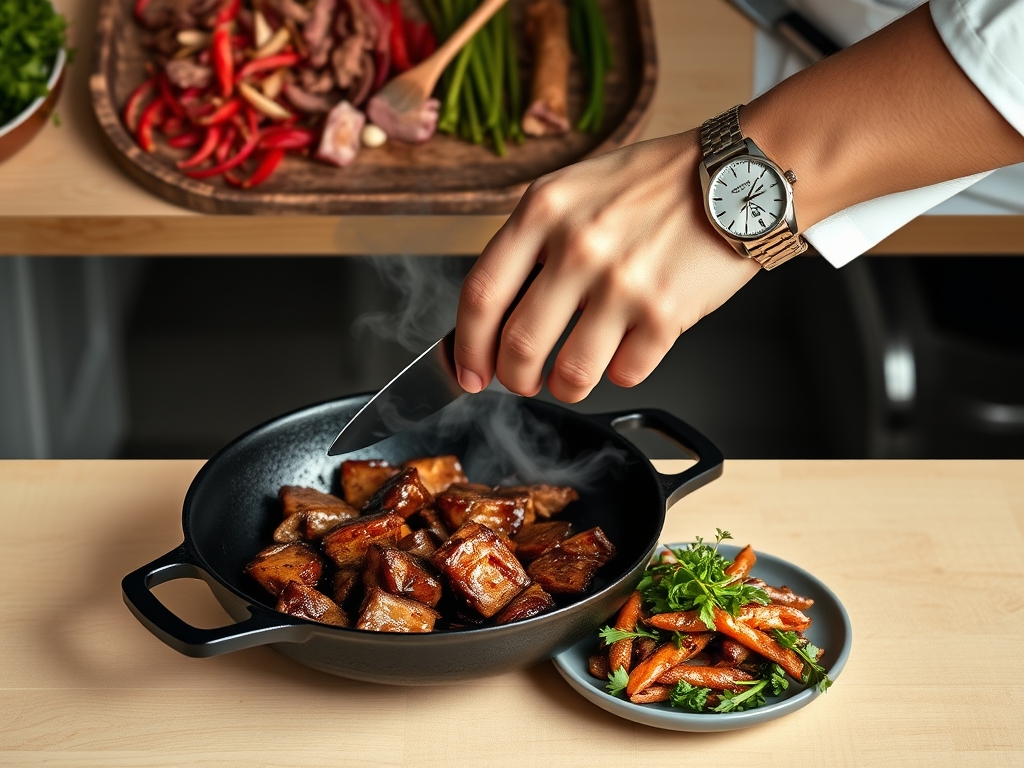
Place your heavy-bottomed skillet over medium-high heat until the oil shimmers and just begins to reach its smoke point. Pat the beef dry with paper towels to remove surface moisture. Drop the beef in a single layer, leaving space between the cubes. Do not move them for at least 90 seconds.
Pro Tip: This patience allows for Maillard browning, a chemical reaction between amino acids and reducing sugars that creates hundreds of different flavor compounds. If you move the meat too soon, you interrupt the crust formation.
2. The Vegetable Deglaze
Remove the beef and set it aside on a warm plate. Immediately add your hardier vegetables like carrots or broccoli to the hot pan. Add a splash of water or rice wine to create steam, using a wooden spoon to scrape up the brown bits (fond) stuck to the bottom.
Pro Tip: This process is called deglazing. Those brown bits are concentrated flavor packets that will now coat your vegetables, ensuring no taste is wasted.
3. The Aromatic Infusion
Push the vegetables to the perimeter of the pan, creating a "hot spot" in the center. Add a tiny bit more oil if needed, then drop in your minced garlic and ginger. Stir constantly for only 30 seconds until the scent fills the room.
Pro Tip: Aromatics contain volatile organic compounds that are fat-soluble. By hitting the oil directly, you "bloom" the spices, intensifying their flavor profile before they are diluted by other liquids.
4. The Emulsified Glaze
Pour your pre-mixed sauce over the vegetables and stir. Bring the liquid to a simmer until it begins to thicken and look viscous. Return the beef and any accumulated juices back into the skillet, tossing everything to coat.
Pro Tip: Use a small amount of cornstarch or arrowroot powder in your sauce. This acts as a thickening agent that traps water molecules, creating a glossy sheen that clings to the ingredients rather than pooling at the bottom.
5. The Carryover Rest
Turn off the heat while the beef still looks slightly underdone in the center. Transfer the stir fry to a serving bowl immediately. Let it sit for two minutes before diving in.
Pro Tip: This accounts for thermal carryover. The internal temperature will continue to rise by 5 to 10 degrees after leaving the pan. Pulling it early prevents the beef from becoming "rubbery" or overcooked.
The Deep Dive
When we look at the macro nutrition of these healthy stir fry beef recipes, we see a powerhouse profile. A standard serving provides roughly 35 grams of protein, 12 grams of healthy fats, and a wealth of micronutrients like Iron, Zinc, and Vitamin B12. By loading the pan with 70% vegetables and 30% beef, you create a high-volume, low-calorie density meal that keeps you satiated for hours.
Dietary Swaps: For a Keto version, omit the cornstarch and honey, using xanthan gum and liquid stevia or monk fruit instead. Vegan friends can swap the beef for extra-firm pressed tofu or seitan, though the cooking times will vary. For Gluten-Free needs, always verify your tamari or use coconut aminos.
The Fix-It:
- Tough Beef: If the meat is chewy, you likely cut it with the grain. Next time, look for the muscle fibers and slice perpendicular to them to shorten the protein strands.
- Soggy Veggies: You likely overcrowded the pan. Cook in smaller batches to maintain high heat.
- Burnt Garlic: Garlic burns at a lower temperature than beef. Always add it during the final stages of cooking, never at the start with the meat.
Meal Prep: To maintain "day-one" quality, store the beef and vegetables separately from your grains (like quinoa or cauliflower rice). When reheating, use a splash of water and cover the dish to create a steam chamber, which prevents the beef from drying out in the microwave.
The Wrap-Up
You now have the technical blueprint to dominate the kitchen with these healthy stir fry beef recipes. By understanding the chemistry of the sear and the importance of the "Chef's Flow," you have transitioned from a recipe-follower to a culinary artist. Remember, the best meals are those made with intention and a little bit of scientific curiosity. Whether you are prepping for a busy week or hosting a friend, these diced beef dinners are your new secret weapon for a vibrant, healthy lifestyle. Go forth and sear with confidence!
The Kitchen Table
What is the best cut of beef for a healthy stir fry?
Sirloin tip, flank steak, or London broil are ideal. They are lean, high in protein, and respond well to quick, high-heat cooking. Always slice against the grain to ensure maximum tenderness in every bite.
How do I keep my stir fry from getting watery?
Dry your beef thoroughly with paper towels before cooking. Also, ensure your skillet is screaming hot. If the pan isn't hot enough, the meat will boil in its own juices rather than searing, resulting in a watery mess.
Can I make these recipes without a wok?
Absolutely. A large, heavy-bottomed stainless steel or cast-iron skillet works beautifully. The goal is heat retention. As long as the pan can hold a high temperature when cold food is added, you will get a perfect sear.
Is it healthy to eat beef stir fry every day?
When balanced with plenty of fibrous vegetables and healthy fats, it is a fantastic protein source. Rotate your vegetable choices to ensure a wide spectrum of micronutrients and keep your palate excited by using different spice profiles.