
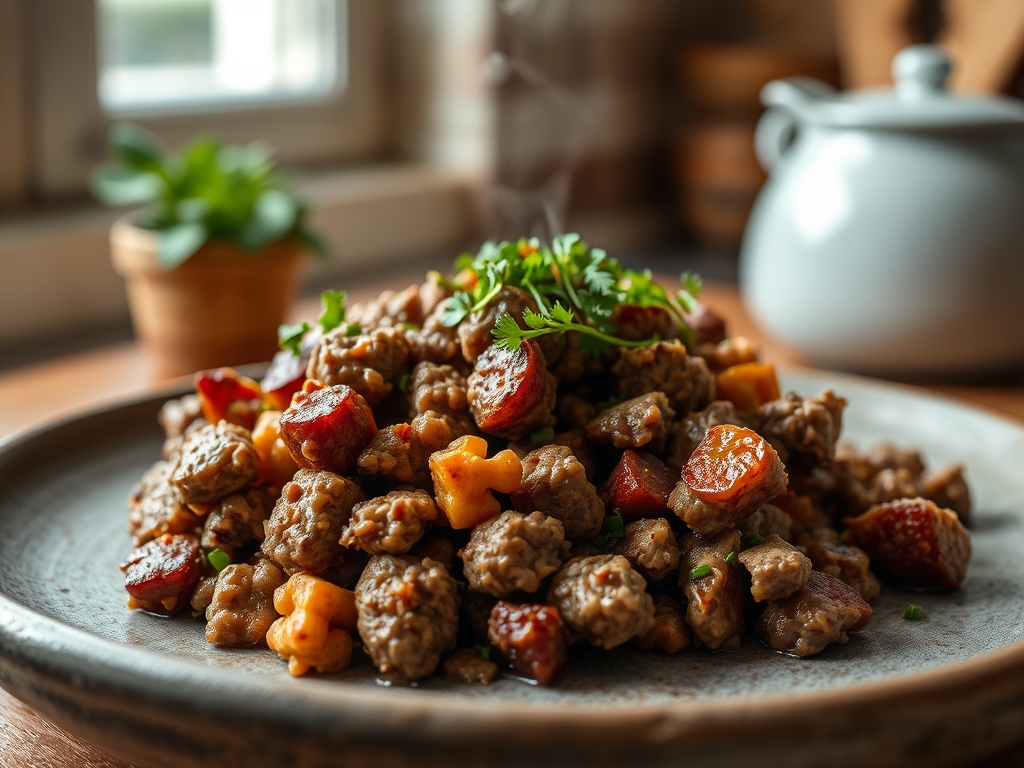
Imagine the sizzle of a heavy-bottomed skillet meeting a perfectly chilled blend of proteins; it is the sound of the Maillard reaction beginning its chemical magic. When you master ground turkey and beef recipes, you are not just cooking dinner. You are balancing the lean, clean profile of poultry with the deep, umami-rich fats of bovine muscle. It is the ultimate culinary handshake.
The secret lies in the ratio. Turkey provides a neutral canvas that absorbs aromatics like a sponge, while beef provides the structural integrity and collagen necessary for a mouthfeel that satisfies the soul. We are moving beyond the basic burger. We are talking about emulsified meatballs that hold their shape under pressure and ragus that coat a noodle with velvet precision. Whether you are meal prepping for a high-performance week or hosting a dinner that requires a bit of swagger, this hybrid approach is your secret weapon. By blending these two, you reduce the overall saturated fat content without sacrificing the unctuous quality that makes a meal feel like a luxury. Let us get into the chemistry of the sear and the architecture of the perfect blend.
The Gathers:
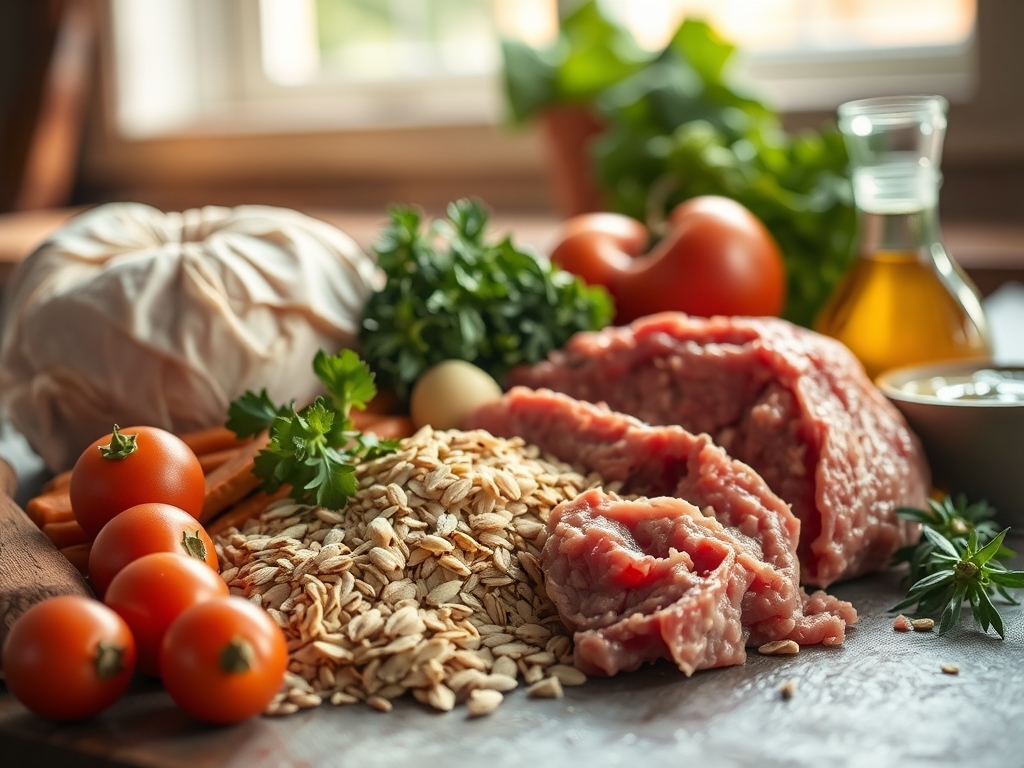
Before we ignite the burners, we must organize our mise-en-place. To achieve a professional result, use a digital scale to ensure a precise 50/50 or 60/40 split. You will need high-quality proteins: look for 93 percent lean turkey and 80/20 ground chuck. The beef fat is essential; it will render out and hydrate the leaner turkey fibers.
Your workspace should feature a microplane for grating fresh garlic and ginger into a fine paste, which ensures even distribution without the bitterness of large burnt chunks. Gather your liquids: a piquant Worcestershire sauce or a splash of aged balsamic to add acidity. For the binders, use panko breadcrumbs or almond flour to create a delicate matrix that traps moisture.
Smart Substitutions: If you are avoiding grains, use finely minced mushrooms. They provide a similar cellular structure to meat and release moisture slowly. If you lack beef fat, a tablespoon of cold, grated butter folded into the turkey can mimic the richness of beef tallow. Always keep a bench scraper handy to move your chopped aromatics from the board to the pan without losing a single drop of essential oil.
The Clock: Mastering the Chef's Flow
Efficiency in the kitchen is about heat management and sequence. The total active prep time for these ground turkey and beef recipes is approximately 20 minutes, with a cook time ranging from 15 to 40 minutes depending on the application.
The "Chef's Flow" dictates that you start with your aromatics. While the skillet preheats, you chop. By the time your onions are translucent, your meat blend should be at room temperature. Never throw fridge-cold meat into a pan; it causes the temperature to plummet, leading to gray, steamed meat rather than a crisp, brown crust. Allow for a 10-minute rest period post-cooking. This allows the muscle fibers to relax and reabsorb the juices, ensuring your first bite is as succulent as the last.
The Masterclass:
1. The Temper and Blend
Start by combining your turkey and beef in a large stainless steel bowl. Use your hands or a sturdy spatula to fold them together until the color is a uniform light pink. Do not overwork the meat. Over-mixing leads to protein cross-linking, which results in a rubbery, dense texture.
Pro Tip: This is known as protein extraction. If you mix too vigorously, you develop myosin, the "glue" of the meat world. Keep it light to ensure a tender, aerated crumb in your finished dish.
2. The High-Heat Sear
Place your heavy-bottomed skillet over medium-high heat until a drop of water dances and evaporates instantly. Add a high-smoke-point oil like avocado oil. Carefully place the meat in the pan, pressing down with a stiff spatula to maximize surface contact.
Pro Tip: This triggers the Maillard reaction, a chemical reaction between amino acids and reducing sugars. This is where the complex, savory flavors are born. If the pan is too crowded, the meat will release steam and boil rather than sear.
3. The Deglaze
Once the meat is browned and removed, you will notice dark bits stuck to the bottom of the pan. This is called "fond." Pour in a splash of beef stock or dry red wine and use a wooden spoon to scrape it up.
Pro Tip: Deglazing incorporates these caramelized sugars back into your sauce. This creates a viscous, deeply flavored liquid that acts as the bridge between the two different types of meat.
4. The Infusion
Add your aromatics back into the deglazed liquid. This is the moment to use your microplane to zest in citrus or grate in fresh aromatics. The residual heat will bloom the spices, releasing their fat-soluble flavor compounds.
Pro Tip: This process is called blooming. Spices like cumin and paprika are fat-soluble; heating them in the rendered beef fat intensifies their aromatic profile significantly more than boiling them in water.
5. The Gentle Simmer
If you are making a sauce or chili, lower the heat and cover. Let the turkey and beef mingle at a low temperature. This allows the collagen in the beef to break down into gelatin, providing a silky mouthfeel that masks the leanness of the turkey.
Pro Tip: This is hydrolysis. By simmering slowly, you transform tough connective tissues into liquid gold, giving your ground turkey and beef recipes a professional, restaurant-quality finish.
The Deep Dive: Science and Solutions
Macro Nutrition: This blend is a powerhouse. You are looking at roughly 22g of protein per 4-ounce serving with a significantly lower calorie count than pure beef. The inclusion of turkey boosts your intake of tryptophan and selenium, while the beef provides essential B12 and zinc.
Dietary Swaps: For a Keto-friendly version, swap breadcrumbs for crushed pork rinds or heavy cream. For a Gluten-Free approach, use tamari instead of soy sauce and ensure your beef stock is certified GF. If you want a "Vegan-ish" stretch, replace half the meat with cooked lentils; the texture is nearly identical when seasoned correctly.
The Fix-It: Common Pitfalls
- The Meat is Dry: You likely overcooked the turkey. Fix it by folding in a tablespoon of Greek yogurt or a splash of bone broth to rehydrate the proteins.
- The Blend is Greasy: This happens if the beef fat didn't emulsify. Fix it by adding a "slurry" of cornstarch and water to bind the fats into the sauce.
- The Flavor is Flat: You need acidity. Add a squeeze of lemon or a teaspoon of apple cider vinegar to brighten the heavy fats.
Meal Prep Science: When reheating, avoid the microwave if possible. The high frequency can "seize" the turkey fibers. Instead, use a saucier on the stovetop with a tablespoon of water. This creates a steam-jacket effect that restores the meat to "day-one" quality without making it rubbery.
The Wrap-Up:
You have officially graduated from basic browning to protein engineering. By leveraging the strengths of both turkey and beef, you have created a dish that is nutritionally balanced and culinarily superior. Remember, the key is in the sear and the patience of the simmer. Use your tools, trust your senses, and do not be afraid to let that skillet get hot. Now, go forth and dominate your kitchen with these ground turkey and beef recipes. Your palate (and your gym gains) will thank you.
The Kitchen Table:
Can I freeze the raw turkey and beef blend?
Yes. Blend the meats and seal them in an airtight freezer bag. Removing oxygen prevents freezer burn and lipid oxidation. Use within three months for optimal flavor and structural integrity during the thawing process.
Why does my turkey and beef blend turn gray?
Gray meat usually results from overcrowding the pan. When too much moisture is released at once, the meat steams instead of searing. Cook in smaller batches to maintain high surface temperatures and ensure a brown crust.
What is the best ratio for burgers?
For the juiciest results, use a 70 percent beef to 30 percent turkey ratio. This maintains the classic beef burger flavor profile while lightening the overall fat content and providing a smoother texture.
How do I tell if the meat is fully cooked?
Use a digital thermometer to check for an internal temperature of 165 degrees Fahrenheit. This ensures the turkey is safe for consumption while keeping the beef components from becoming overly dry or tough.