
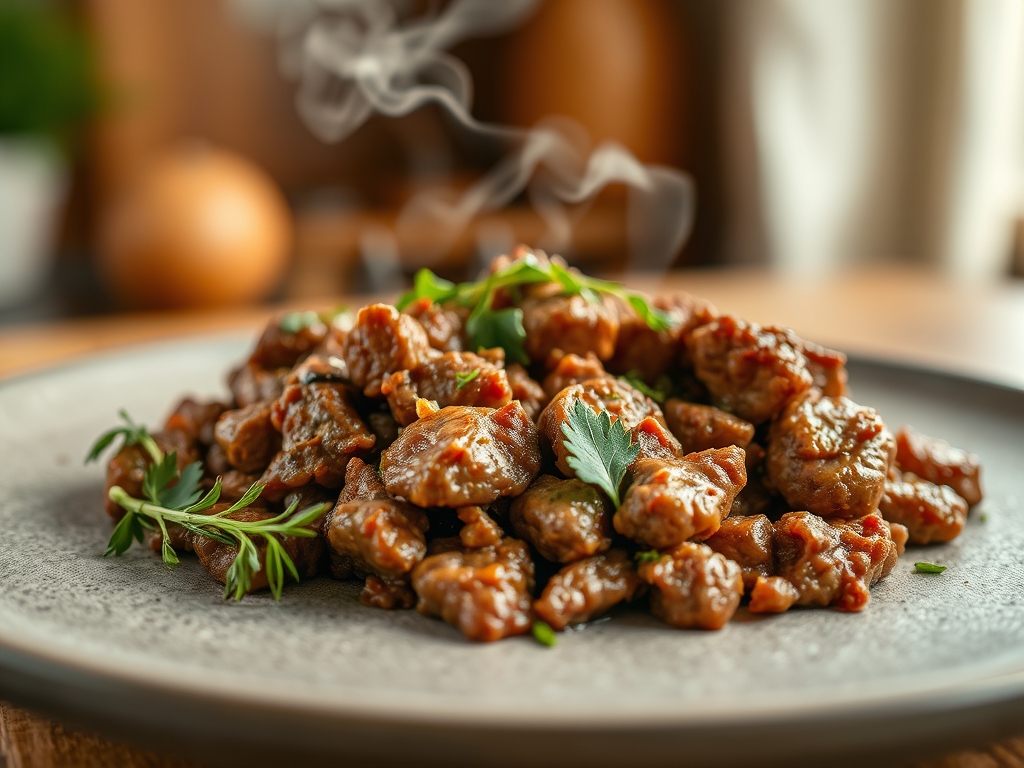
Imagine the sound of a heavy bottomed skillet meeting a high flame; it is a rhythmic, percussive sizzle that signals the start of something transformative. We are reclaiming the narrative on red meat. Finding healthy ground beef recipes to lose weight does not mean sacrificing the deep, umami satisfaction that only high quality protein provides. It is about the science of satiety and the art of the sear.
When you drop a lean grind onto a hot surface, you are initiating the Maillard reaction. This is not just browning; it is a complex chemical dance between amino acids and reducing sugars that creates hundreds of flavor compounds. For those of us chasing a caloric deficit, this reaction is our best friend. It provides massive flavor payoffs without the need for heavy, viscous sauces or excessive fats. We are going to harness that chemical magic across seven distinct flavor profiles, from piquant Mediterranean bowls to ginger infused Asian stir fries.
Think of ground beef as your culinary canvas. It is incredibly bioavailable, packed with heme iron and B12, and when sourced at a 90/10 or 93/7 lean to fat ratio, it fits perfectly into a structured nutritional plan. We are moving past the bland, grey crumbles of the past. Today, we are focusing on technique, temperature control, and the precise application of heat to keep your kitchen smelling like a high end bistro while your waistline reaps the rewards.
The Gathers:
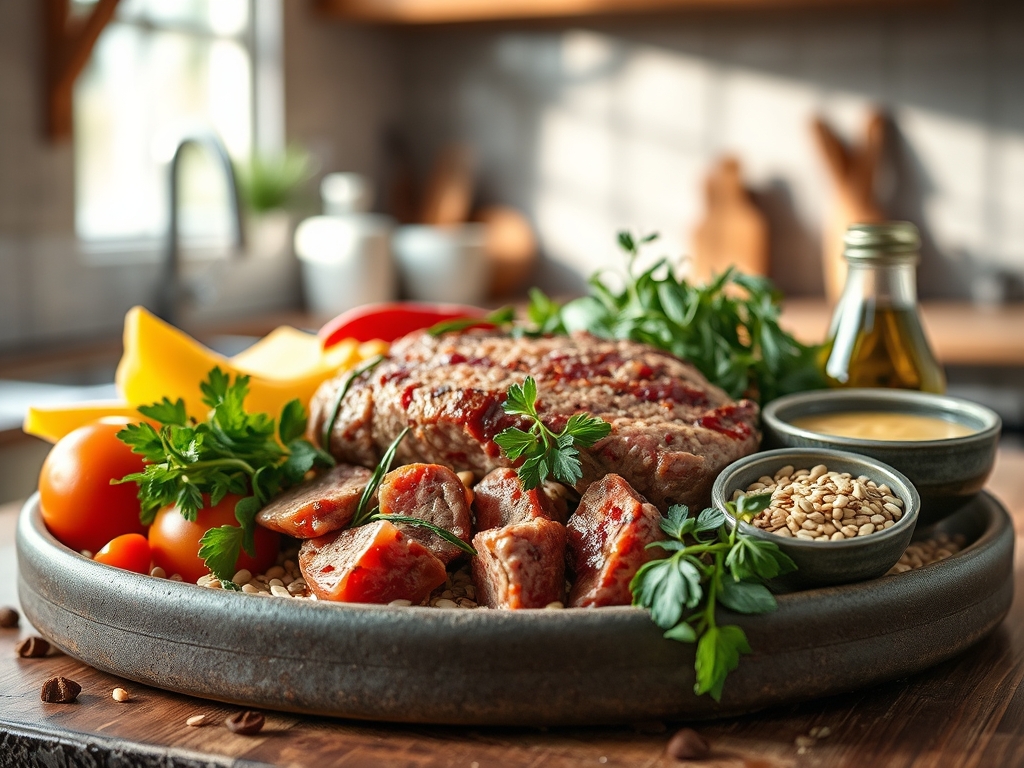
To execute these healthy ground beef recipes to lose weight, your mise-en-place must be impeccable. Line up your glass prep bowls and reach for your digital scale; precision is the difference between a meal and a masterpiece. You will need high quality, grass fed ground beef as your primary protein. Grass fed varieties often contain higher levels of Omega-3 fatty acids and conjugated linoleic acid, which are essential for metabolic health.
Your secondary cast includes aromatic foundations: pungent garlic cloves, sharp shallots, and ginger root. To keep the moisture content high without adding oil, we utilize high water volume vegetables like zucchini, bell peppers, and riced cauliflower. For the "Smart Substitutions," swap traditional soy sauce for liquid aminos to reduce sodium bloat. Use Greek yogurt instead of sour cream to add a probiotic punch and extra protein. Instead of breadcrumbs, try using almond flour or finely pulsed mushrooms. Mushrooms are particularly brilliant here; they share a similar cellular structure to beef and provide a "meatier" texture through their natural glutamates while significantly lowering the overall caloric density of the dish.
The Clock
Efficiency in the kitchen is about "Chef's Flow." This is the psychological state where you anticipate the next move before the timer dings. Total prep time for these seven variations averages 15 minutes, with active cook times hovering around 12 to 20 minutes.
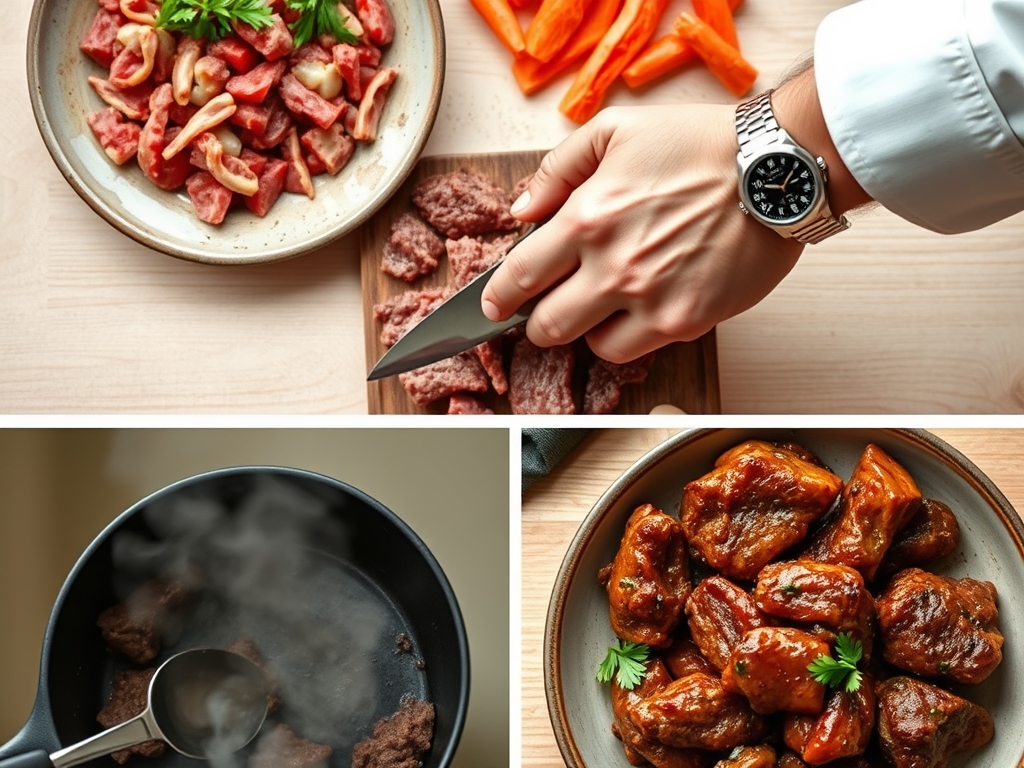
The secret to speed is the "Parallel Path" method. While your heavy bottomed skillet is preheating (a crucial step to prevent sticking), you should be using a sharp chef's knife or a mandoline to prep your aromatics. Never crowd the pan. If you are prepping for the whole week, cook in batches. Overcrowding drops the surface temperature of the pan, leading to steaming rather than searing. Steamed beef is grey and lacks the aromatic complexity we need. By respecting the clock and the heat, you can have a week of gourmet, weight loss friendly meals ready in under ninety minutes.
The Masterclass
1. The Tempering Phase
Before the beef ever touches the heat, take it out of the refrigerator for 15 minutes. Cold meat hits a hot pan and immediately seizes, releasing its intracellular moisture and becoming tough. By bringing it closer to room temperature, you ensure an even cook.
Pro Tip: This prevents a massive temperature drop in your skillet, allowing the Maillard reaction to occur instantly rather than waiting for excess moisture to evaporate.
2. The Sear and Fond Development
Place the beef in a preheated cast iron skillet. Do not touch it for at least three minutes. You want to develop a deep, mahogany crust. Once browned, use a stainless steel bench scraper or a sturdy spatula to break the meat into small, uniform crumbles.
Pro Tip: This crust is known as "fond." It is a concentrated source of flavor that, when deglazed later, creates a natural sauce without needing added starches.
3. Deglazing for Depth
Once the meat is browned and removed, you will see brown bits stuck to the bottom. Add a splash of beef bone broth or a piquant vinegar. Use your wooden spoon to scrape those bits up; this is called deglazing.
Pro Tip: This technique utilizes solvent extraction to pull flavor molecules off the pan and back into your food, maximizing taste without adding calories.
4. The Aromatic Infusion
Lower the heat and add your garlic, ginger, or onions. Use a microplane for the garlic to create a paste; this increases the surface area and releases more allicin, the compound responsible for that signature pungent bite.
Pro Tip: Cooking aromatics at a lower temperature prevents the bitter notes associated with burnt garlic, ensuring a sweet and savory foundation.
5. Volumetric Filling
Fold in your high fiber vegetables. If you are making a taco bowl, add diced peppers. For a stir fry, add broccoli florets. The goal is to increase the volume of the meal significantly while keeping the caloric load low.
Pro Tip: This leverages the "Volumetrics" theory of weight loss, which suggests that the physical volume of food in your stomach is a primary trigger for satiety signals to the brain.
6. The Emulsification
If you are adding a sauce, such as a lemon-tahini blend or a spicy tomato reduction, add a small amount of the cooking liquid (broth or water) to the pan. Stir vigorously to emulsify the fats and liquids into a smooth, glossy coating.
Pro Tip: Emulsification creates a luxurious mouthfeel by suspending tiny droplets of fat within the liquid, making a lean meal feel much more indulgent.
7. The Resting Period
Once the heat is off, let the mixture sit for three minutes before serving. This allows the proteins to relax and reabsorb some of the juices.
Pro Tip: This accounts for thermal carryover; the internal temperature will continue to rise slightly even after the meat is removed from the heat source, ensuring the beef is perfectly tender.
The Deep Dive
When we look at the macro nutrition of these healthy ground beef recipes to lose weight, a standard 4 ounce serving of 93% lean beef provides roughly 170 calories and 24 grams of protein. This high protein-to-calorie ratio is the "holy grail" for fat loss, as protein has a higher thermic effect of food (TEF) than fats or carbs.
Dietary Swaps: For those following a Keto protocol, replace the vegetable fillers with higher fat options like avocado or olives. If you are Gluten Free, ensure your spices are certified, as many pre-mixed taco seasonings contain wheat based anti-caking agents. For a Vegan alternative, crumbled tempeh or a pea-protein "beef" substitute can be treated with the same searing techniques, though they lack the same heme-iron profile.
The Fix-It:
- The Meat is Greasy: Even lean beef renders fat. Use a tilted pan and a spoon to remove excess tallow before adding vegetables.
- The Beef is Tough: You likely overcooked it or skipped the tempering phase. Add a tablespoon of bone broth and cover with a lid for two minutes to "steam-soften" the fibers.
- It Tastes Flat: You need acid. A squeeze of fresh lime or a teaspoon of apple cider vinegar will brighten the flavors and balance the richness of the beef.
Meal Prep Science: When reheating, avoid the microwave if possible. The microwave agitates water molecules, often turning beef rubbery. Instead, use a saucier on the stovetop with a tablespoon of water. This creates a gentle steam environment that rehydrates the meat to day-one quality.
The Wrap-Up
Mastering healthy ground beef recipes to lose weight is about more than just "dieting." It is about understanding how heat, acid, and high quality protein work together to create a sustainable, delicious lifestyle. You now have the technical skills to sear, deglaze, and emulsify your way to a leaner physique without ever feeling deprived. Go grab your favorite skillet and start experimenting with those aromatics; your kitchen is now a laboratory of flavor and health.
The Kitchen Table
Is ground beef actually good for weight loss?
Yes, because it is incredibly satiating. High protein intake suppresses ghrelin, the hunger hormone, while the zinc and B12 support metabolic function. Choosing lean grinds ensures you stay within your caloric targets while maintaining muscle mass.
How do I keep lean ground beef from drying out?
Avoid overworking the meat and do not press down on it with a spatula. Use the "pan-steam" method by adding a splash of broth at the end of cooking and covering the pan to lock in moisture.
Can I freeze these meals for later?
Absolutely. Ground beef dishes freeze exceptionally well because the small particle size prevents large ice crystals from damaging the texture. Store in airtight glass containers to prevent freezer burn and maintain the integrity of the fats.
What is the best way to add flavor without salt?
Utilize "umami bombs" like tomato paste, nutritional yeast, or porcini mushroom powder. Fresh herbs added at the very end (like cilantro or parsley) provide a burst of brightness that masks the need for excess sodium.