
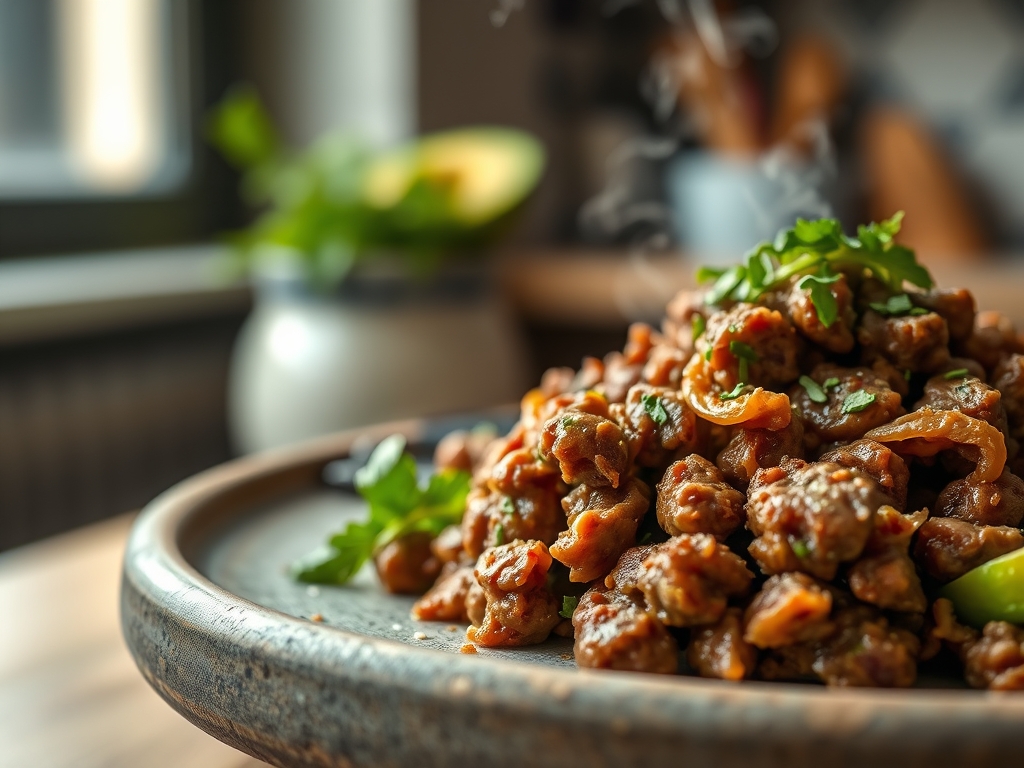
Picture this: a heavy bottomed skillet screaming on the stovetop as the fat begins to render from premium chuck. The air fills with that unmistakable aroma of the Maillard reaction; a complex chemical transformation where amino acids and sugars rearrange into hundreds of flavor compounds. Now, imagine folding in the buttery, cool silkiness of a perfectly ripe Hass. These avocado ground beef recipes are not just about convenience; they are a masterclass in contrasting textures and lipid profiles. We are pairing the intense, savory umami of seared beef with the clean, vegetal creaminess of monounsaturated fats. It is a culinary marriage that balances the palate while providing a nutritional powerhouse on a single plate. Whether you are craving a deconstructed burger bowl or a piquant lime infused stir fry, the synergy between these two ingredients creates a mouthfeel that is both indulgent and incredibly fresh. Grab your favorite chef knife and a sturdy cutting board; we are about to elevate your weeknight rotation into something truly sophisticated.
The Gathers:
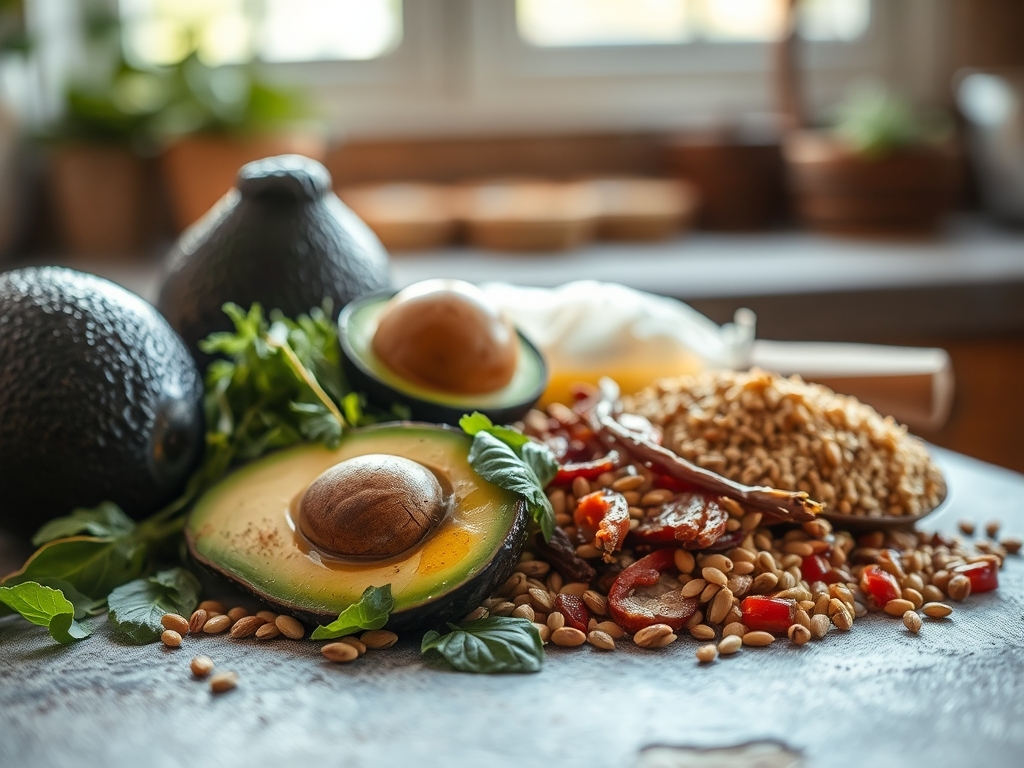
To execute these avocado ground beef recipes with precision, your mise-en-place must be flawless. Start with your protein: 80/20 ground chuck is the gold standard here. The 20 percent fat content is essential for moisture, as it provides the liquid gold needed to deglaze your pan later. For the avocados, look for fruit that yields slightly to gentle pressure; this indicates a high oil content and a viscous texture that will emulsify into sauces or hold its shape in a dice.
You will need high-quality aromatics: cloves of garlic that feel heavy for their size, shallots for a delicate sharpness, and fresh cilantro for a bright finish. On the spice rack, gather smoked paprika for depth, toasted cumin for earthiness, and flaky sea salt to provide a structural crunch.
Smart Substitutions:
If you are looking to lighten the caloric density, swap half the beef for finely minced cremini mushrooms. This maintains the umami profile through guanylate synergy while reducing total saturated fat. If your avocados are slightly under-ripe, use a microplane to grate them into a lime juice vinaigrette; the acidity softens the rigid cell walls, creating a creamy dressing even from firm fruit. For a heat kick, replace standard bell peppers with poblano or serrano peppers to introduce a more complex, piquant profile.
The Clock: Chef's Flow
Efficiency in the kitchen is about managing the "Chef's Flow." Total active prep time for these concepts averages 15 minutes, with a cook time of roughly 12 minutes. The secret is parallel processing. While your heavy-bottomed skillet preheats (a crucial step to prevent sticking), you should be dicing your aromatics.
Never drop cold beef into a lukewarm pan. Allow the meat to sit at room temperature for 10 minutes to ensure an even sear. Once the beef hits the pan, leave it undisturbed for at least three minutes. This patience allows the crust to form. While the beef renders, pit and slice your avocado. By the time the beef is finished and resting, your garnishes are ready. This synchronized timing ensures that the hot beef meets the cold avocado at the peak of their respective temperature curves, preventing the avocado from turning into a mushy, oxidized mess.
The Masterclass:
1. The High Heat Sear
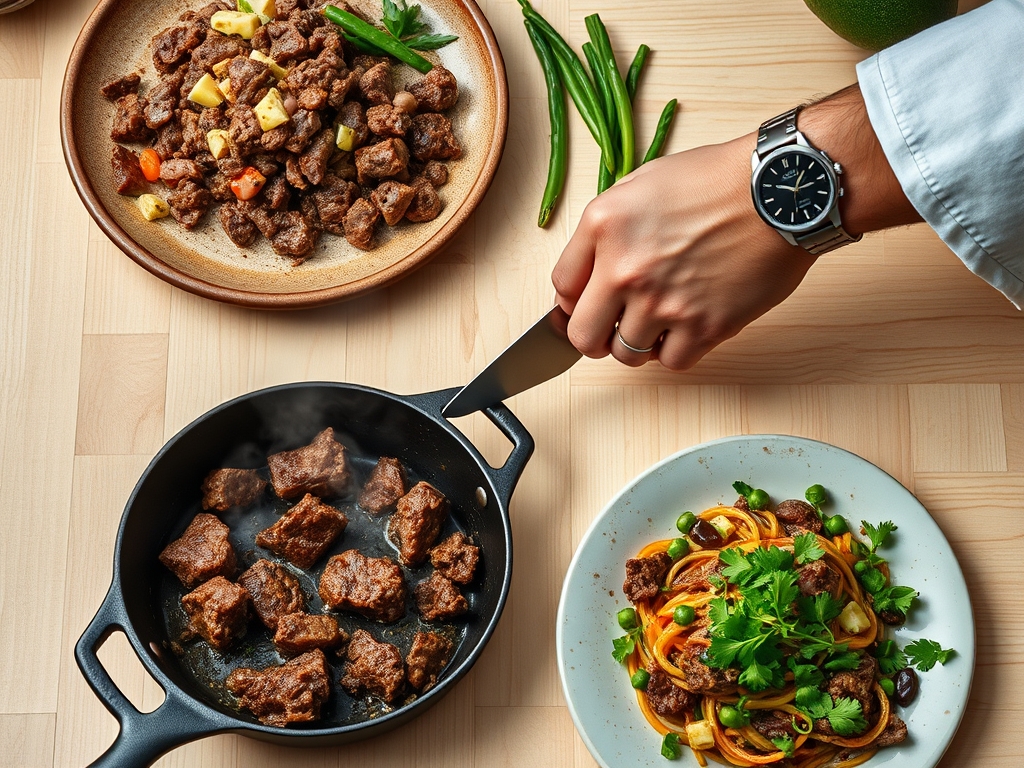
Place your ground beef in a preheated cast iron skillet. Use a sturdy metal spatula to break the meat into large chunks rather than a fine crumble. This preserves the internal juices of the meat.
Pro Tip: This stage relies on the Maillard Reaction. By keeping the chunks large initially, you maximize the surface area for browning without overcooking the center, resulting in a deeper, more savory flavor profile.
2. Deglazing the Fond
Once the beef is browned, remove it and leave about a tablespoon of fat. Toss in your minced shallots and garlic. Use a splash of beef stock or dry white wine to scrape up the brown bits (the fond) from the bottom of the pan.
Pro Tip: Deglazing is a form of solvent extraction. The liquid dissolves the caramelized proteins stuck to the pan, incorporating those intense flavors back into the base of your dish for a more cohesive palate.
3. The Gentle Fold
Return the beef to the pan and turn off the heat. Add your cubed avocado last. Use a silicone spatula to gently fold the avocado into the warm beef until it is just coated in the pan juices.
Pro Tip: This prevents enzymatic browning. By adding the avocado at the very end and coating it in the rendered fats and acidic lime juice, you create a lipid barrier that slows down oxidation, keeping the green vibrant.
The Deep Dive:
Macro Nutrition
These avocado ground beef recipes are a dream for those tracking macros. A standard serving provides approximately 28g of protein and 22g of healthy fats. The avocado contributes significant dietary fiber (about 7g per half fruit), which aids in digestion and promotes satiety. You are also getting a massive dose of potassium, which helps regulate blood pressure and counteracts the sodium often found in seasoned beef.
Dietary Swaps
- Vegan: Substitute the ground beef with a pea-protein crumble or "lentil walnut meat." Use a dash of liquid smoke and soy sauce to mimic the deep umami of seared beef.
- Keto: This pairing is naturally keto-compliant. To increase the fat ratio, add a dollop of full-fat Greek yogurt or a sprinkle of aged cheddar.
- Gluten-Free: Ensure your spices are certified GF and serve the mixture over cauliflower rice or inside large butter lettuce cups for a refreshing crunch.
The Fix-It: Common Pitfalls
- The Greasy Mess: If your dish feels too oily, you likely didn't drain the beef properly. Technical Fix: Use a slotted spoon to move the beef to a paper towel-lined plate before adding it back to the vegetables.
- Oxidized Avocado: If your avocado turns brown too fast, your pH balance is off. Technical Fix: Increase the ascorbic acid (lime or lemon juice) to lower the pH and deactivate the polyphenol oxidase enzyme.
- Bland Flavor: If the dish lacks "pop," it is likely a lack of acid, not salt. Technical Fix: Finish with a zest of lime or a teaspoon of apple cider vinegar to brighten the heavy fats.
Meal Prep: Reheating Science
Reheating avocado is tricky because heat can make it bitter. If meal prepping, store the seasoned beef and the avocado separately. Reheat the beef in a saucier with a teaspoon of water to maintain moisture. Add the fresh avocado only after the beef is hot. If you must reheat them together, use a low power setting on the microwave to avoid "cooking" the delicate avocado oils.
The Wrap-Up:
Mastering avocado ground beef recipes is about understanding the balance between heat and freshness. We have explored the chemistry of the sear, the importance of pH in preserving color, and the technical tools required to achieve a professional finish. This duo is versatile, nutritious, and undeniably delicious when executed with a bit of scientific flair. So, go ahead and get that skillet hot; your kitchen is now a laboratory of flavor where every sear and every slice is a step toward culinary excellence.
The Kitchen Table:
How do I stop avocados from browning in leftovers?
Store leftovers in an airtight container with a layer of plastic wrap pressed directly onto the surface. The goal is to eliminate oxygen contact. Adding extra lime juice also helps lower the pH, slowing the oxidation process significantly.
What is the best beef-to-avocado ratio?
A balanced ratio is typically 2:1 by weight. For every 8 ounces of cooked ground beef, use one medium avocado (about 4 ounces of flesh). This ensures every bite has a perfect mix of savory protein and creamy fat.
Can I use frozen avocado for these recipes?
Frozen avocado works best in sauces or "mashes" rather than distinct cubes. The freezing process breaks down the cellular structure, making the texture softer once thawed. If using frozen, incorporate it into a warm lime-cilantro crema.
Why does my ground beef taste boiled instead of seared?
This happens when the pan is overcrowded or not hot enough. The moisture released from the meat creates steam. To fix this, use a large skillet and cook the beef in batches to ensure high-heat contact.