
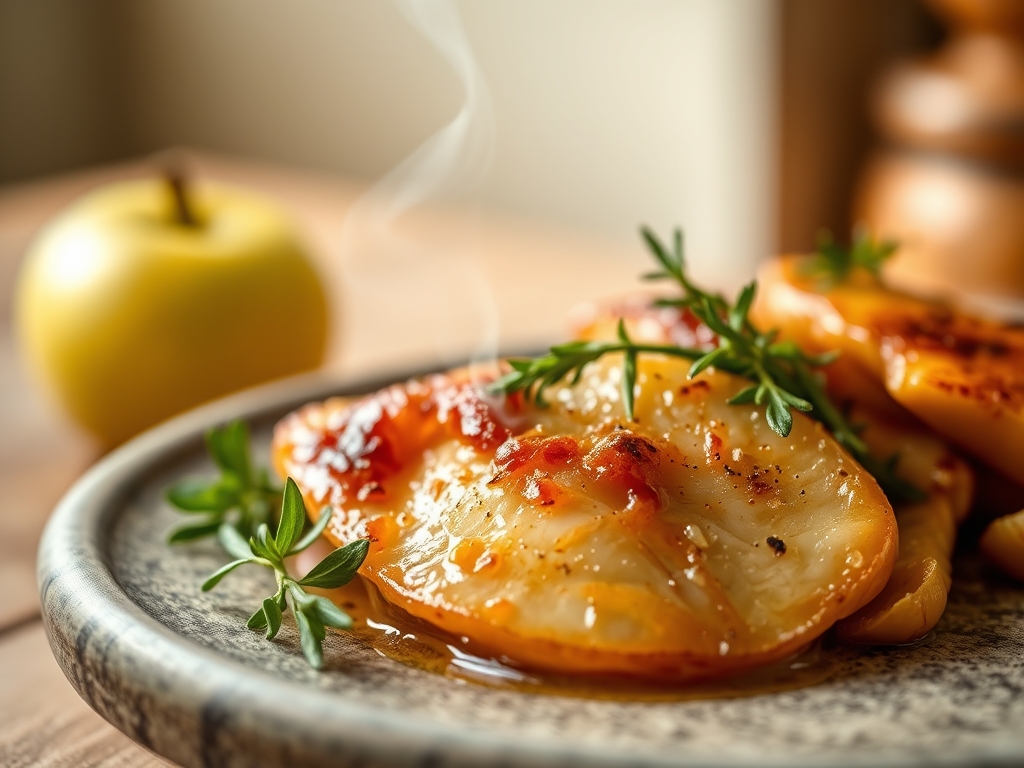
Imagine the sound of a heavy-bottomed stainless steel skillet meeting a high-velocity flame. The air begins to change as the sharp, acidic scent of a Granny Smith apple collides with the savory, protein-heavy aroma of searing poultry. This is the sensory architecture of apple chicken recipes; a culinary intersection where malic acid meets the Maillard reaction. Most people relegate apples to the fruit bowl or the pie crust, but in the savory world, they are a secret weapon for moisture management and flavor balancing. The natural sugars in the fruit do more than just provide sweetness; they act as a glaze component that helps chicken thighs achieve a deep, lacquered finish that salt alone cannot provide.
When we talk about apple chicken recipes, we are really talking about the science of contrast. You have the soft, yielding texture of a braised Honeycrisp against the fibrous, succulent bite of a perfectly roasted breast. It is a masterclass in palate dynamics. Whether you are deglazing with hard cider or folding diced Fuji apples into a tarragon-flecked chicken salad, you are engaging in a sophisticated play of pH levels and aromatic compounds. It is time to move past the basic bake and embrace the vibrant, piquant world of orchard-inspired savory cooking.
The Gathers:
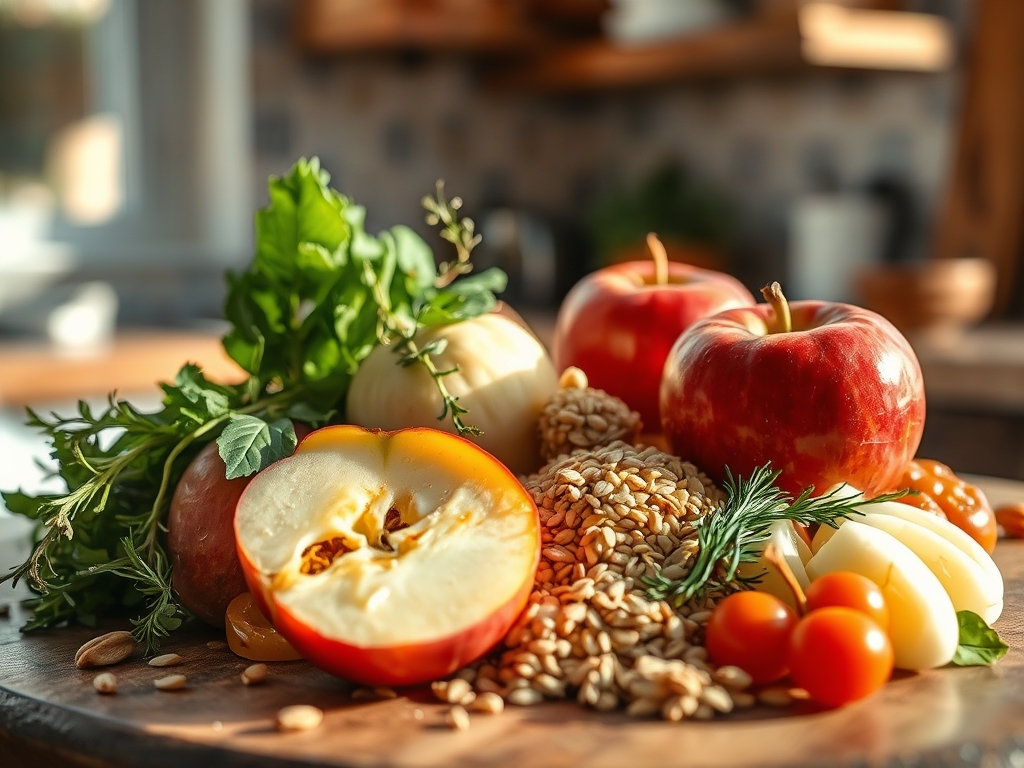
Setting up your mise-en-place for these apple chicken recipes requires a focus on texture and oxidation. You will need a high-quality digital scale to ensure your protein-to-fruit ratio remains balanced. Start with your aromatics: shallots, fresh thyme, and rosemary. For the chicken, organic thighs with the skin intact are preferred because the fat will render out to create a base for your apple sauce.
The apples themselves should be firm. Varieties like Pink Lady, Braeburn, or Northern Spy hold their cellular structure under heat, whereas a McIntosh will disintegrate into a grainy puree. You will also need a saucier for reducing liquids and a microplane for zesting lemon to brighten the finished dish.
Smart Substitutions: If you find yourself without fresh apples, a high-quality, unfiltered apple cider can provide the necessary acidity. If you are avoiding refined fats, use duck fat or ghee to sear the chicken; these have higher smoke points and add a nutty complexity that complements the fruit. For a punchier profile, swap the thyme for sage, which contains camphor-like notes that cut through the richness of the chicken skin.
The Clock
The "Chef's Flow" is all about overlapping tasks to minimize downtime. For most apple chicken recipes, you are looking at a 15-minute prep window and a 25-minute cook time. Total investment: 40 minutes. The secret is to chop your apples while the chicken is achieving its initial sear.
Do not prep the apples too early; the enzymes in the fruit react with oxygen, causing the flesh to turn brown. If you must prep ahead, submerge the slices in a bowl of cold water with a squeeze of lemon. This inhibits enzymatic browning by lowering the pH level on the surface of the fruit. While the chicken rests, use those final five minutes to deglaze the pan and build your pan sauce. This ensures the chicken fibers relax while the sauce reaches its peak viscous state.
The Masterclass
1. The High-Heat Sear
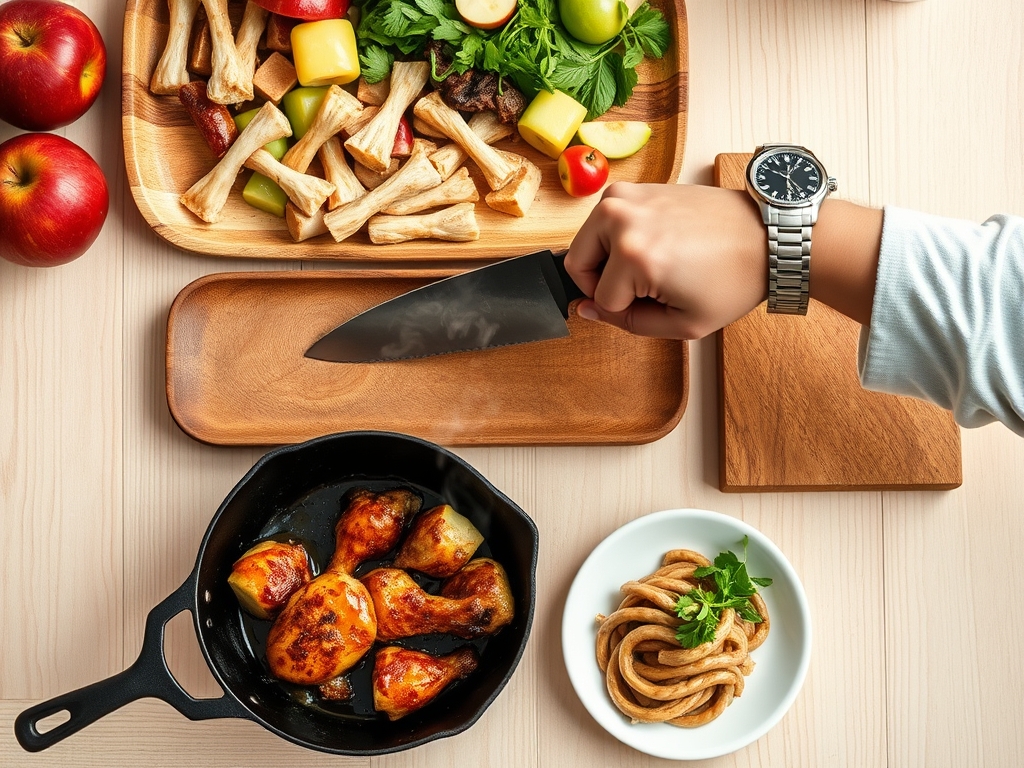
Pat your chicken skin completely dry with paper towels to remove surface moisture. Heat your skillet until a drop of water flicked onto the surface dances and evaporates instantly. Place the chicken skin-side down and do not move it for at least six minutes.
Pro Tip: This stage relies on the Maillard reaction, a chemical reaction between amino acids and reducing sugars that creates hundreds of different flavor compounds. Moving the meat prematurely prevents the crust from forming and causes the skin to tear.
2. Rendering the Aromatics
Once the chicken is flipped and golden, move it to the perimeter of the pan. Add your sliced apples and shallots to the center, using the rendered chicken fat as your primary cooking medium. Use tongs to toss the apples until they are slightly translucent at the edges.
Pro Tip: Apples contain pectin, a structural heteropolysaccharide. By sautéing them in fat before adding liquid, you slightly soften the pectin while allowing the natural sugars to caramelize, deepening the overall flavor profile of the dish.
3. The Deglaze and Emulsify
Pour in a splash of dry white wine or apple cider. Use a wooden spoon or bench scraper to lift the "fond" (the brown bits) from the bottom of the pan. Whisk in a tablespoon of cold butter or heavy cream at the very end.
Pro Tip: This creates an emulsion, where the fat from the butter binds with the acidic liquid. The cold temperature of the butter is vital; if it is too warm, the emulsion will "break," resulting in a greasy sauce rather than a velvety one.
The Deep Dive
From a macro perspective, apple chicken recipes are a powerhouse of nutrition. You are getting lean protein from the poultry and a significant dose of dietary fiber and Vitamin C from the apples. One serving typically clocks in around 350 to 450 calories, depending on your choice of fat.
Dietary Swaps: To make this Keto, swap the apples for jicama or chayote squash tossed in apple cider vinegar to mimic the crunch and acidity without the sugar. For a Vegan version, use thick slices of roasted cauliflower or seitan "chicken" and omit the butter for a splash of coconut aminos. Gluten-Free followers simply need to ensure their chicken broth or cider is certified GF, as some brands use barley-based thickeners.
The Fix-It:
- Soggy Skin: If your chicken skin loses its crunch after adding the sauce, finish the dish under the broiler for 60 seconds.
- Bitter Sauce: If the sauce tastes too sharp, a pinch of brown sugar or a teaspoon of honey will balance the pH.
- Mushy Apples: You likely used a "dessert apple" like a Red Delicious. Next time, stick to "baking apples" which have stronger cell walls.
Meal Prep Science: When reheating, avoid the microwave. The high-frequency waves cause the water molecules in the chicken to vibrate violently, leading to a rubbery texture. Instead, reheat in a covered skillet over low heat with a tablespoon of water. This creates a steam-oven effect that restores the moisture to the protein without overcooking it.
The Wrap-Up
Mastering apple chicken recipes is about more than just following a list of ingredients; it is about understanding how heat transforms simple pantry staples into a gourmet experience. By focusing on the sear, the render, and the final emulsion, you elevate a Tuesday night dinner into a culinary event. These flavors are timeless, sophisticated, and incredibly satisfying. Now, grab your favorite skillet and go turn that produce drawer into a masterpiece.
The Kitchen Table
What are the best apples for savory chicken dishes?
Use firm, tart varieties like Granny Smith, Honeycrisp, or Braeburn. These apples maintain their structural integrity under high heat and provide a necessary acidic counterpoint to the rich, savory fats of the chicken.
How do I prevent my apples from turning into mush?
The key is timing and heat. Sauté apples over medium-high heat for a short duration to caramelize the exterior while keeping the interior crisp. Avoid long braising times unless you are specifically aiming for a compote texture.
Can I use apple juice instead of cider?
Yes, but be cautious of the sugar content. Apple juice is often sweeter and less acidic than unfiltered cider. You may need to add a teaspoon of apple cider vinegar to balance the sweetness and prevent a cloying sauce.
Is it better to peel the apples or leave the skin on?
Leave the skin on for better texture and color. The skin contains most of the apple's fiber and prevents the slices from falling apart during the cooking process. Plus, the deep reds and greens add visual appeal.