
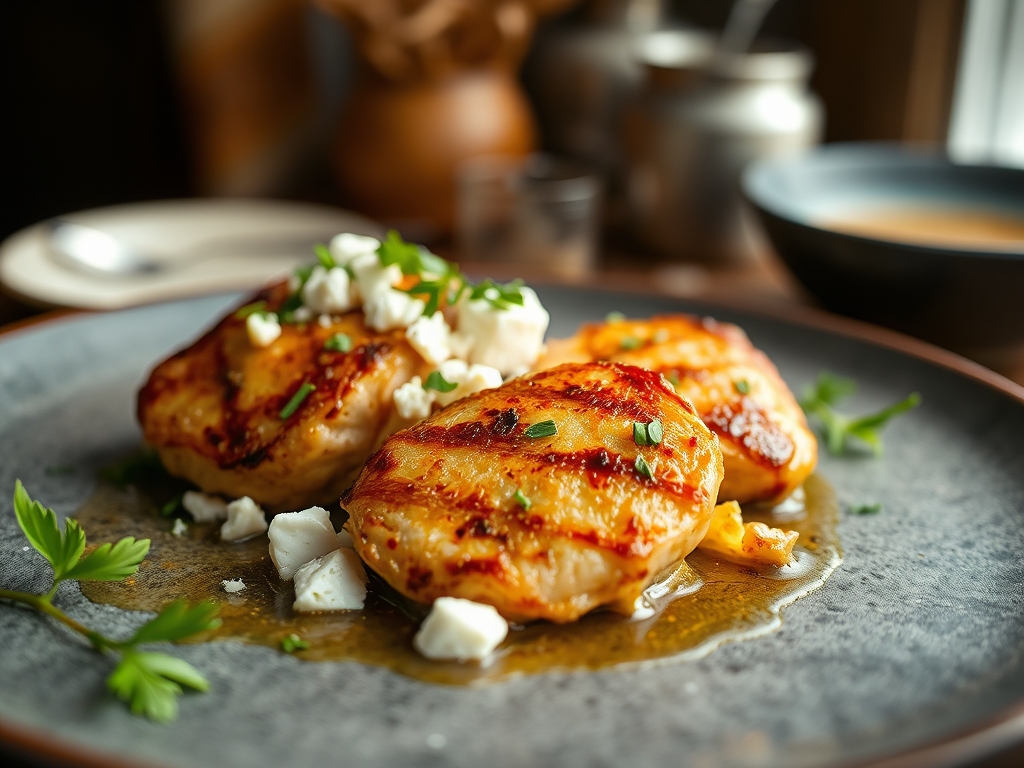
Close your eyes and imagine the sizzle of a heavy-bottomed skillet meeting a salt-brined poultry breast. The kitchen fills with the scent of toasted oregano and rendering lipids. When you master feta cheese and chicken recipes, you are balancing the high-acid, piquant profile of sheep milk against the savory, mild canvas of lean protein. It is a match made in culinary heaven.
The secret lies in the contrast of textures. You have the creamy, melting quality of the cheese playing against the crisp, Maillard-browned skin of the bird. This is not just about dinner; it is about a chemical reaction that transforms humble ingredients into a Mediterranean masterpiece. Whether you are stuffing a breast with a salty crumble or tossing cubes into a pan-sauce, the goal is always a perfect emulsion of fat and acid. We are going beyond the basic salad here. We are diving into six distinct ways to elevate this duo, using professional techniques that ensure every bite is succulent, seasoned to the bone, and visually stunning. Grab your apron; we are about to turn your kitchen into a high-end bistro.
The Gathers:
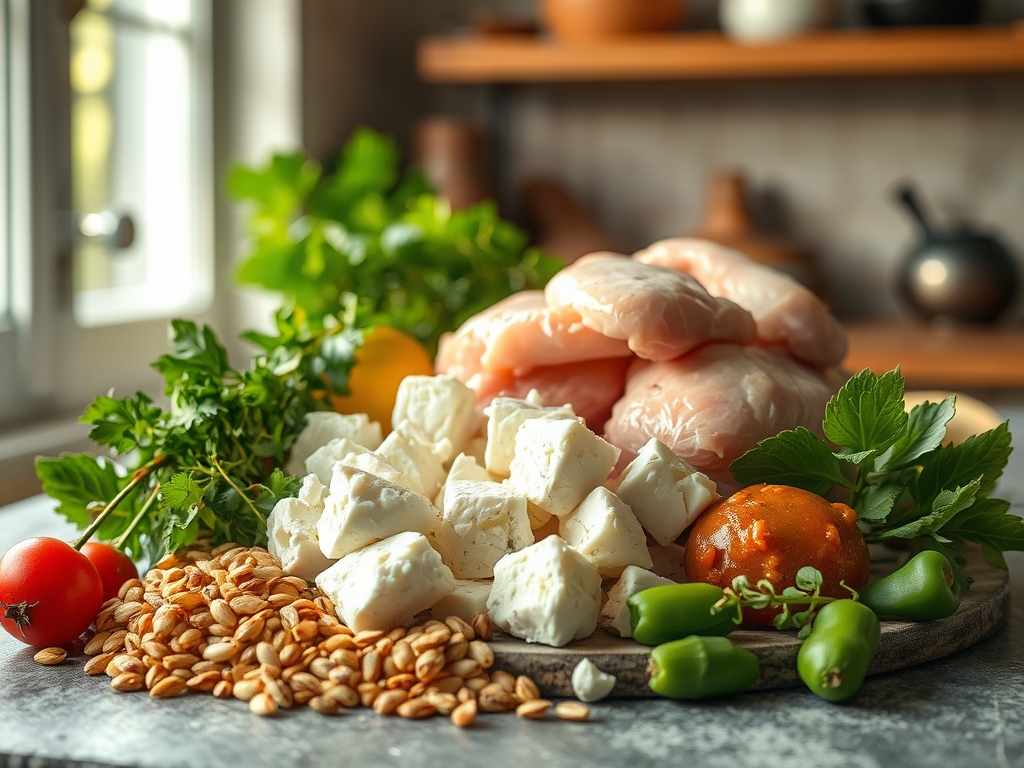
To execute these feta cheese and chicken recipes with precision, your mise-en-place must be impeccable. Start with the chicken. I recommend air-chilled breasts or thighs; the lack of retained water ensures better browning. For the feta, look for blocks stored in brine rather than pre-crumbled tubs. Brined feta maintains a higher moisture content and a more viscous texture when heated.
You will also need aromatics: fresh garlic cloves, shallots for a delicate sweetness, and lemons for their bright citric acid. For the herbal component, fresh oregano and dill are non-negotiable. The volatile oils in fresh herbs provide a depth that dried versions simply cannot replicate.
Smart Substitutions:
If you find the piquant bite of traditional sheep milk feta too aggressive, swap it for a French-style feta, which is typically made from goat milk and offers a milder, creamier finish. For those avoiding dairy, a high-quality almond-based "feta" can mimic the texture, though you may need to add a splash of white balsamic vinegar to replicate the lactic acid tang. If you are out of fresh lemons, a teaspoon of sumac provides that same astringent punch with a beautiful ruby hue.
The Clock
Efficiency in the kitchen is all about the "Chef's Flow." For these recipes, expect a total active prep time of 20 minutes and a cook time ranging from 15 to 35 minutes depending on the cut of meat.
The flow begins with the "Dry Brine." Season your chicken at least 30 minutes before cooking. This allows the salt to penetrate the muscle fibers through osmosis, ensuring the meat stays juicy even at high temperatures. While the chicken rests, use your microplane to zest the citrus and your bench scraper to organize your chopped aromatics. By the time your skillet is screaming hot, your prep is finished, and you can focus entirely on heat management. This overlap ensures you are never rushing while the oil is at its smoke point.
The Masterclass
1. The Sear and Deglaze
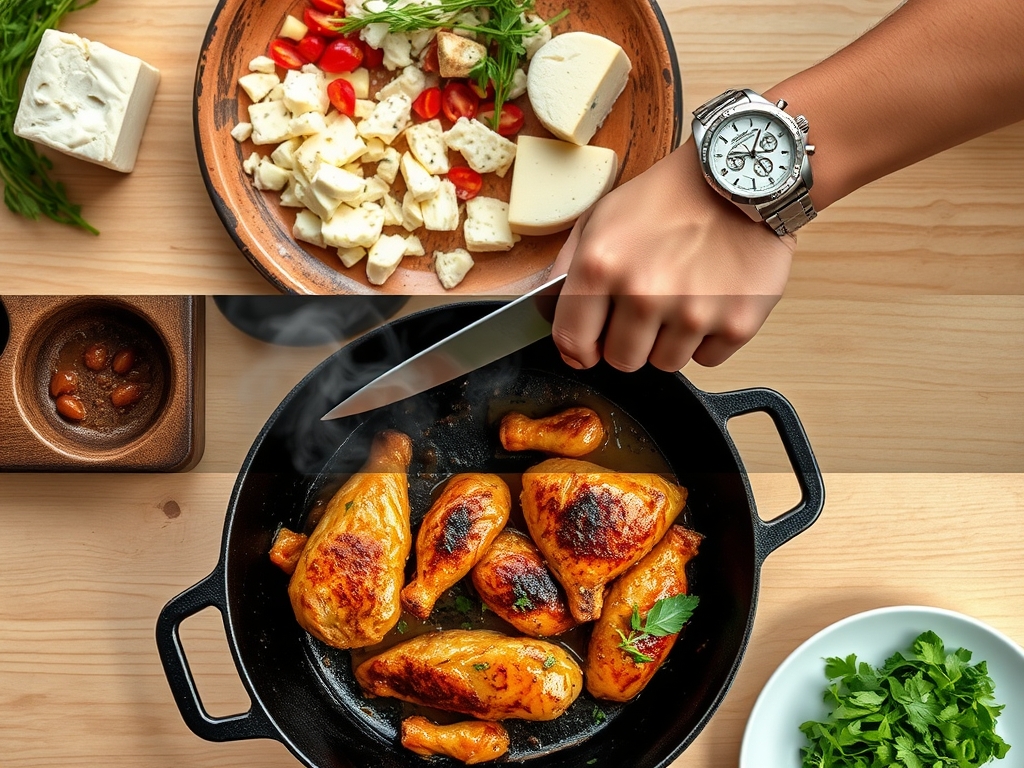
Heat your heavy-bottomed skillet over medium-high heat until the oil shimmers. Place the chicken skin-side down. Do not move it. You are waiting for the Maillard reaction, where amino acids and reducing sugars create that golden-brown crust. Once flipped, add a splash of dry white wine or chicken stock to the pan. Use a wooden spoon to scrape up the fond (the brown bits).
Pro Tip: This is called deglazing. The liquid captures the concentrated flavors stuck to the pan and incorporates them into a pan-sauce. The science here is simple: water-soluble flavor compounds are released from the metal and emulsified into your sauce.
2. The Feta Infusion
Once your chicken reaches an internal temperature of 155 degrees Fahrenheit, it is time to add the cheese. Crumble the feta directly into the pan-sauce. The heat will soften the cheese but not fully melt it, creating a "chunky-creamy" texture.
Pro Tip: Use thermal carryover. If you pull the chicken at 155 degrees and let it rest, the internal temperature will rise to the food-safe 165 degrees without drying out the meat. This prevents the protein fibers from tightening and squeezing out all the moisture.
3. The Emulsification
To finish the dish, add a knob of cold butter and a squeeze of lemon juice. Stir vigorously with a saucier or whisk. This creates a stable emulsion where the fats from the butter and cheese bind with the acidic pan-liquor.
Pro Tip: This is known as mounting with butter (monter au beurre). The cold temperature of the butter is crucial; if it is too warm, the emulsion will "break," and you will end up with a greasy mess instead of a velvety sauce.
4. The Herb Aeration
Just before serving, toss in your fresh herbs. Do not cook them for long. You want to preserve the bright green chlorophyll and the delicate aromatic compounds that dissipate under prolonged heat.
Pro Tip: This is aeration of aromatics. The heat of the dish is enough to release the essential oils without breaking down the cellular structure of the herbs, keeping the flavor profile sharp and fresh.
The Deep Dive
When we look at the macro nutrition of feta cheese and chicken recipes, we see a powerhouse of lean protein and healthy fats. A standard serving provides roughly 35g of protein and 12g of fat. While feta is higher in sodium than mozzarella, it also contains more calcium and B vitamins.
Dietary Swaps:
- Keto: This recipe is naturally low-carb. Increase the fat content by using chicken thighs with the skin on.
- Vegan: Use firm tofu "steaks" pressed to remove moisture and a fermented cashew-based feta.
- Gluten-Free: Ensure your chicken stock is certified GF; the rest of the ingredients are naturally safe.
The Fix-It:
- Rubbery Chicken: This happens when you cook it too fast at too high a heat. Use a digital thermometer to ensure you hit that 155-degree mark precisely.
- Broken Sauce: If your sauce looks oily, add a tablespoon of heavy cream or water and whisk vigorously over low heat to re-emulsify.
- Bland Feta: If the cheese lacks punch, it might be "cow milk feta." Add a pinch of sea salt and a drop of red wine vinegar to the finished dish to mimic the sheep milk tang.
Meal Prep:
To reheat while maintaining "day-one" quality, avoid the microwave. The microwave agitates water molecules, which can make the chicken "rubbery." Instead, place the chicken in a small pan with a tablespoon of water, cover with foil, and warm in a 300-degree oven for 10 minutes. This creates a steam-chamber that rehydrates the protein.
The Wrap-Up
Mastering feta cheese and chicken recipes is a gateway to understanding the balance of salt, fat, and acid. You have learned how to deglaze a pan like a pro, how to use thermal carryover to keep meat juicy, and how to emulsify a sauce that would make a French chef proud. Cooking is a science, but eating is an art. Take these techniques, trust your palate, and don't be afraid to get a little messy with that feta crumble. Your dinner table is about to get a serious upgrade.
The Kitchen Table
Can I use pre-crumbled feta?
While convenient, pre-crumbled feta is often coated in anti-caking agents like potato starch. This prevents it from melting smoothly into sauces. For the best texture and a more viscous sauce, always buy feta in the brine and crumble it yourself.
How do I prevent the chicken from sticking?
Ensure your skillet is properly preheated before adding oil. Once the oil shimmers, add the chicken. If the meat resists when you try to flip it, the Maillard reaction isn't finished. It will naturally release from the pan once a crust forms.
Is feta cheese healthy for weight loss?
Feta is lower in calories and fat than many aged cheeses like cheddar. Its intense, piquant flavor means you can use less of it to achieve a high impact, making it a great tool for flavor-dense, lower-calorie cooking.
Can I make this in a slow cooker?
You can, but you will lose the textural contrast of the seared skin. If using a slow cooker, add the feta and fresh herbs during the last 30 minutes of cooking to prevent the cheese from becoming overly grainy or bitter.