
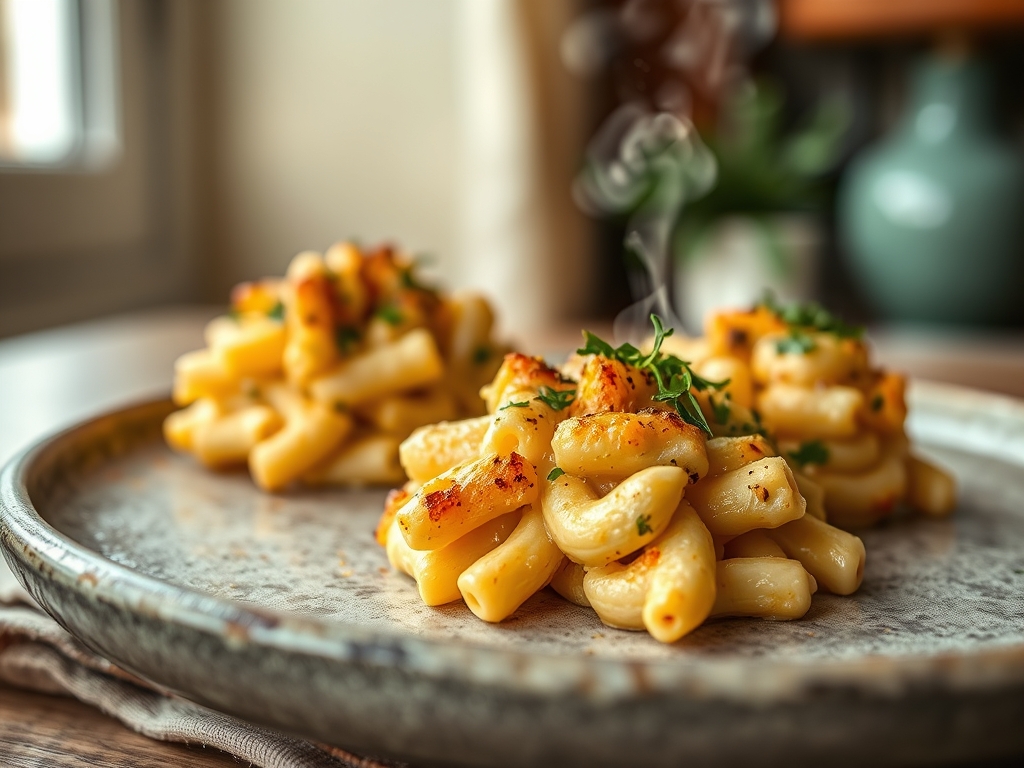
Picture this: a heavy-bottomed skillet resting on your stovetop, radiating a soft heat that promises the ultimate comfort. As you pull back the lid, a cloud of steam carries the piquant scent of aged cheddar and savory roasted poultry. We are not just making dinner; we are engineering a masterpiece of texture and flavor with these mac cheese chicken recipes. It is the perfect marriage of protein and pasta, where the silky cheese sauce acts as a bridge between the chewy bite of al dente macaroni and the tender, salt-cured edges of perfectly seared chicken breast. Whether you are craving a spicy buffalo twist or a classic garlic-herb infusion, these recipes are designed to turn your kitchen into a high-end bistro where the focus is always on the perfect cheese pull.
The Gathers:
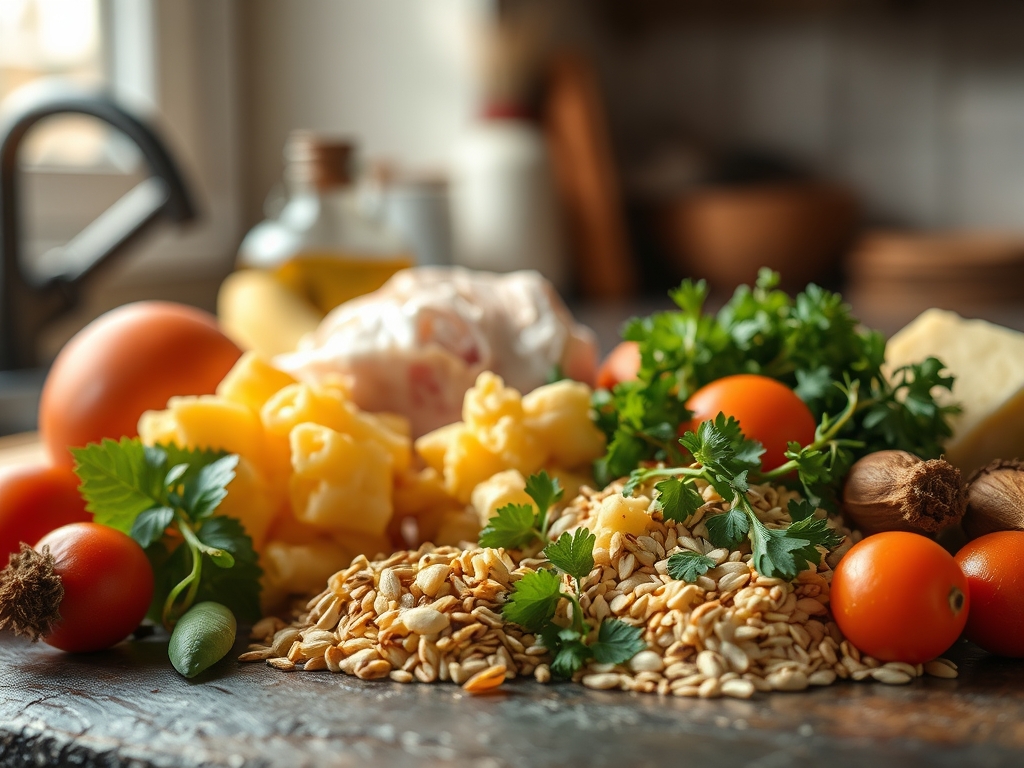
To achieve a professional-grade result, your mise-en-place must be precise. Start with your pasta selection; look for shapes with high surface area, like cavatappi or campanelle, which are designed to trap viscous liquids within their ridges. For the chicken, organic breasts or thighs provide the best structural integrity when cubed. You will need high-fat dairy, specifically heavy cream and whole milk, to ensure the sauce does not break under high heat.
The cheese is the star of the show. Avoid the pre-shredded bags found in the grocery aisle. Those are coated in potato starch or cellulose to prevent clumping, which inhibits a smooth melt. Instead, grab your microplane or a box grater and shred a block of sharp cheddar, gruyere, or fontina. This ensures a clean, enzymatic melt that integrates seamlessly into your roux.
Smart Substitutions:
If you are looking to lighten the profile without sacrificing the "mouthfeel," swap half the heavy cream for evaporated milk. It contains a higher concentration of protein solids which prevents curdling. For a smoky depth, substitute standard paprika with a high-quality pimenton. If you find yourself out of butter for your roux, rendered chicken fat (schmaltz) offers an incredible savory backbone that elevates the entire dish.
The Clock: Timing the Perfect Melt
Efficiency in the kitchen is all about the "Chef's Flow." Total preparation for these mac cheese chicken recipes usually clocks in at 45 minutes; 15 minutes for active prep and 30 minutes for the cook cycle. The secret is parallel processing. While your pasta water is reaching a rolling boil, you should be using your tongs to sear the chicken in a separate pan.
The goal is to have your cheese sauce hitting its peak viscosity exactly when the pasta reaches two minutes before al dente. This "carryover cooking" allows the pasta to finish absorbing liquid directly from the sauce, rather than just sitting in it. This prevents the dreaded "watery bottom" and ensures every noodle is fully encapsulated in golden, cheesy goodness.
The Masterclass:
1. Sear and Render the Protein
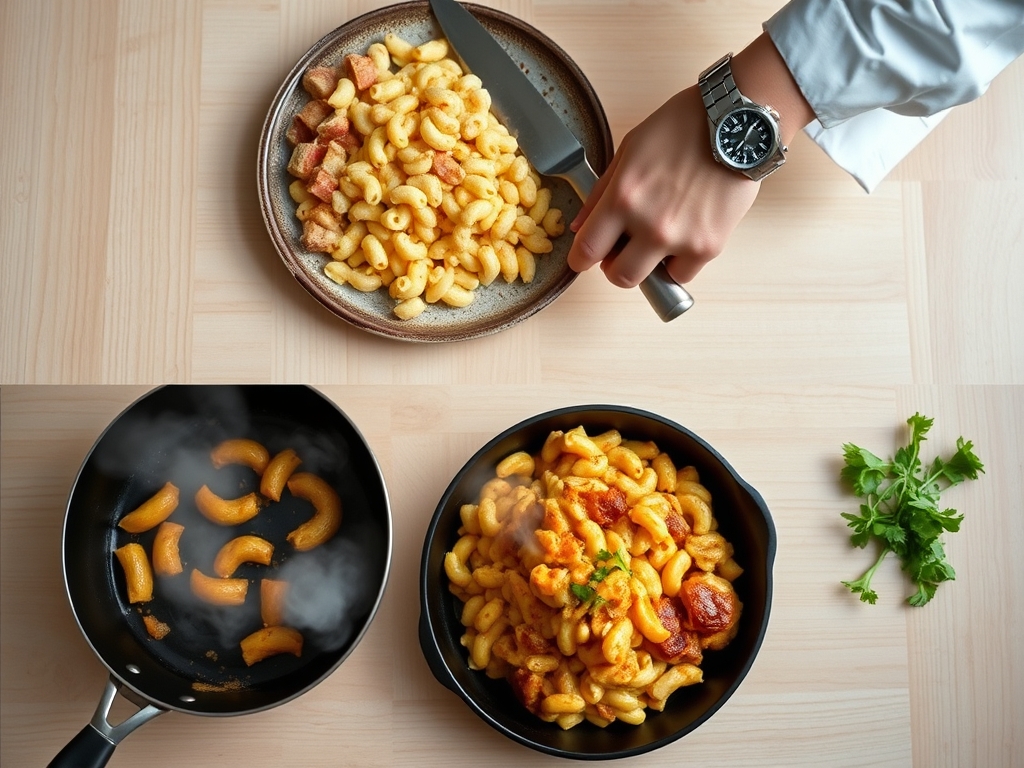
Begin by patting your chicken dry with paper towels to remove surface moisture. Heat a heavy-bottomed skillet over medium-high heat with a splash of neutral oil. Place the chicken in the pan, ensuring you do not overcrowd the surface, which would cause the meat to steam rather than sear. Use your digital scale to ensure even portions for consistent cooking times.
Pro Tip: This step relies on the Maillard reaction. By keeping the heat high and the surface dry, you create a complex chemical reaction between amino acids and reducing sugars, resulting in that savory, brown crust that provides the foundational flavor for the entire dish.
2. The Foundation of the Roux
Once the chicken is removed, do not wash the pan. Those brown bits at the bottom are "fond." Add your butter and use a bench scraper or whisk to incorporate flour. You are looking for a "blonde roux" state, where the flour is cooked enough to remove the raw taste but hasn't yet begun to toast into a nutty brown.
Pro Tip: The roux acts as a stabilizer. The starch granules in the flour swell and burst, creating a network that traps fat and water molecules. This prevents the cheese sauce from separating into an oily mess when you add the heat later.
3. Infuse and Aerate the Liquid
Slowly pour in your milk and cream while whisking constantly. This is where a saucier pan shines, as its rounded bottom prevents flour from getting stuck in the corners. Bring the mixture to a gentle simmer until it coats the back of a spoon.
Pro Tip: Constant whisking helps to aerate the sauce, making it lighter and smoother. This stage is also the best time to add aromatics like mustard powder or garlic, as the heat helps to infuse the oils from the spices directly into the dairy base.
4. The Cheese Integration
Remove the pan from the direct heat source before adding your hand-shredded cheese. Add it in small handfuls, stirring in a figure-eight motion until completely incorporated. Once the sauce is glossy and thick, fold in your cooked pasta and seared chicken.
Pro Tip: This prevents the cheese proteins from tightening and becoming "grainy." By using thermal carryover, the residual heat of the sauce is enough to melt the cheese without reaching the boiling point that causes protein clumping.
The Deep Dive:
Macro Nutrition:
A standard serving of these chicken-heavy mac recipes provides a robust balance of 35g of protein, 40g of carbohydrates, and 22g of fats. To increase the fiber content, consider adding blanched broccoli or peas during the final two minutes of pasta boiling.
Dietary Swaps:
For a Keto version, replace the pasta with roasted cauliflower florets and use xanthan gum as a thickener instead of flour. For Vegan guests, a sauce made from soaked cashews, nutritional yeast, and lactic acid provides a surprisingly similar piquant profile to traditional cheddar. Gluten-Free diners should opt for brown rice pasta, which holds its structure better than corn-based alternatives.
The Fix-It:
- Grainy Sauce: This usually means the cheese was added to a boiling liquid. Fix it by adding a splash of cold heavy cream and whisking vigorously off the heat.
- Dry Macaroni: The pasta absorbed too much sauce. Add a tablespoon of reserved pasta water (the starch helps) to re-emulsify the mixture.
- Rubberly Chicken: You likely overcooked it in the first step. Next time, pull the chicken when it hits 160 degrees Fahrenheit; it will reach the safe 165 mark during the resting phase.
Meal Prep & Reheating:
To maintain "day-one" quality, store the sauce and pasta separately if possible. If already mixed, reheat on the stove with a splash of milk. Avoid the microwave if you can; it vibrates water molecules too fast, which breaks the delicate emulsion of the cheese sauce and results in an oily puddle.
The Wrap-Up:
You are now officially the master of your kitchen domain! Creating these mac cheese chicken recipes is more than just following a list of instructions; it is about understanding the chemistry of comfort. With your microplane in hand and your heavy-bottomed skillet seasoned and ready, you have the tools to create a meal that is both technically perfect and soul-warming. Go ahead, dive into that gooey, golden goodness and share it with someone you love. You have earned every cheesy bite!
The Kitchen Table:
How do I keep my chicken from getting dry in mac and cheese?
Always sear the chicken separately and add it back at the very end. This prevents the meat from overcooking while the sauce thickens. Using chicken thighs instead of breasts also provides more fat, which keeps the meat succulent.
What is the best cheese for a smooth sauce?
A combination of sharp cheddar for flavor and fontina or gouda for meltability is ideal. Always grate your own cheese from a block to avoid the anti-clumping starches found in pre-shredded bags that make sauces grainy.
Can I make mac and cheese chicken recipes in one pot?
Yes, but you must monitor the liquid levels closely. Cook the chicken first, remove it, then boil the pasta in a mixture of broth and milk. Add the cheese only once the pasta is tender and the liquid has reduced.
How do I fix a broken or oily cheese sauce?
Remove the pan from the heat immediately. Add a tablespoon of very cold heavy cream or a squeeze of lemon juice and whisk rapidly. The cold fat or acid helps to re-stabilize the emulsion and smooth out the texture.