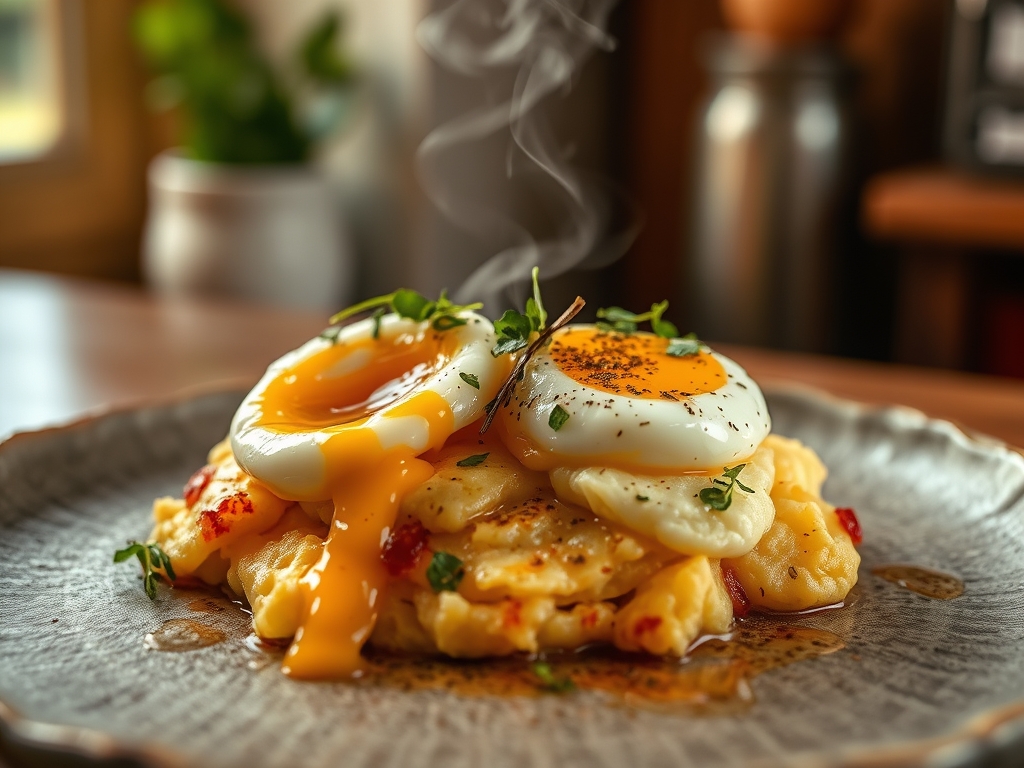
Imagine the scent of golden, crispy starch colliding with the rich, velvety essence of a runny yolk. It is the ultimate culinary embrace. When you master egg and mashed potato recipes, you are not just cooking; you are engineering a symphony of textures. These two humble ingredients are the building blocks of high-protein comfort that feels like a warm hug but tastes like a five-star brunch.
The magic lies in the contrast. You have the dense, earthy profile of the potato acting as a canvas for the bright, sulfurous complexity of the egg. Whether you are folding leftover mash into a fluffy frittata or nesting a poached egg inside a crispy potato nest, the chemistry is undeniable. We are moving beyond basic sides. We are talking about elevating simple pantry staples into gourmet fuel that powers your brain and satisfies your soul. Get your whisk ready; we are about to transform your kitchen into a laboratory of deliciousness.
The Gathers:
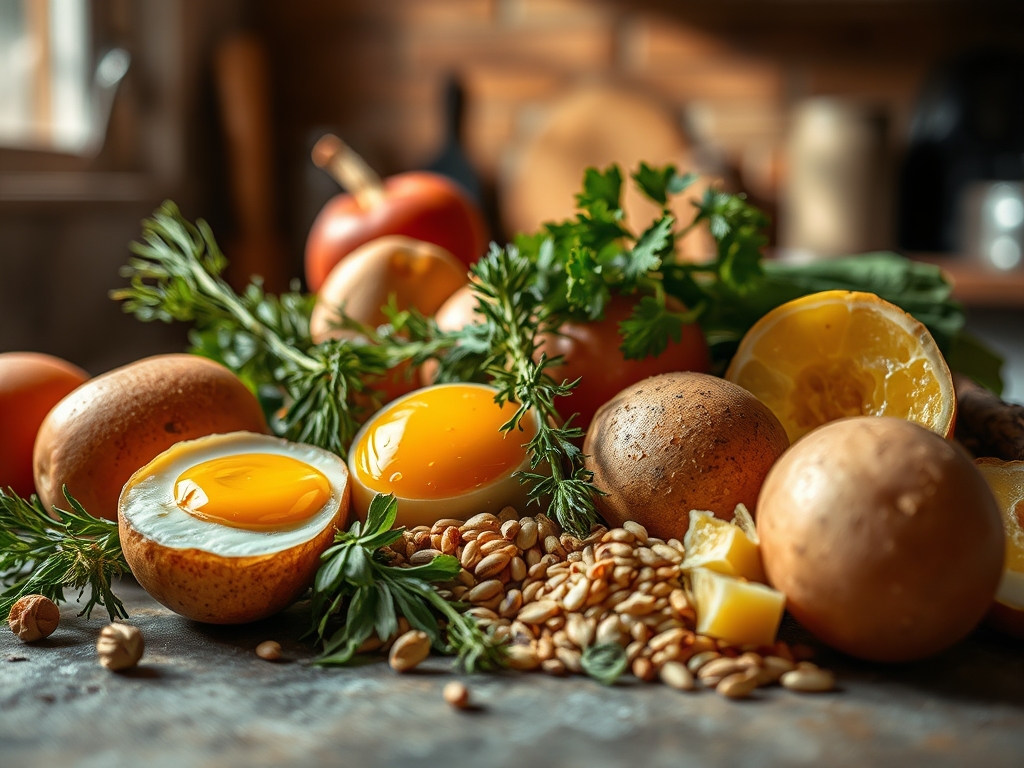
To achieve the perfect structural integrity in these egg and mashed potato recipes, your mise-en-place must be precise. Start with starchy Russet or Yukon Gold potatoes; their high starch-to-moisture ratio ensures a fluffy interior when mashed. You will need farm-fresh large eggs, which provide the lecithin necessary for emulsification. Grab a block of sharp aged cheddar for a piquant kick and heavy cream to ensure a viscous, silky mouthfeel.
Your toolkit is just as vital as your ingredients. Reach for a digital scale to ensure your potato-to-egg ratio is consistent; precision is the secret to a non-crumbly potato cake. A microplane is essential for grating cold butter and hard cheeses into fine snow that melts instantly. For the aromatics, gather fresh chives, smoked paprika, and sea salt.
Smart Substitutions: If you are looking to lighten the caloric load, swap heavy cream for Greek yogurt to add a tangy acidity and extra protein. For those avoiding nightshades, mashed cauliflower offers a similar texture, though you will need to add a binder like flax meal or extra egg whites to compensate for the lack of natural potato starch. If you find your mash is too watery, a tablespoon of instant potato flakes can act as a "dry sponge" to restore the desired density.
The Clock:
Efficiency in the kitchen is all about the Chef's Flow. This isn't just about total time; it is about overlapping tasks so no heat is wasted.
- Prep Time: 15 minutes. This involves peeling, dicing, and organizing your station.
- Cook Time: 30 minutes. This accounts for boiling the tubers and the secondary cooking phase (searing or baking).
- Resting Time: 5 minutes. Essential for protein fibers to relax and moisture to redistribute.
The flow begins with the potatoes. While they simmer in salted water, you should be whisking your eggs and prepping your "add-ins." By the time the potatoes are ready to be passed through a food mill, your heavy-bottomed skillet should already be preheating. This synchronized dance ensures that your eggs hit the pan while the potatoes are at their peak thermal state, allowing for a seamless integration of flavors.
The Masterclass:
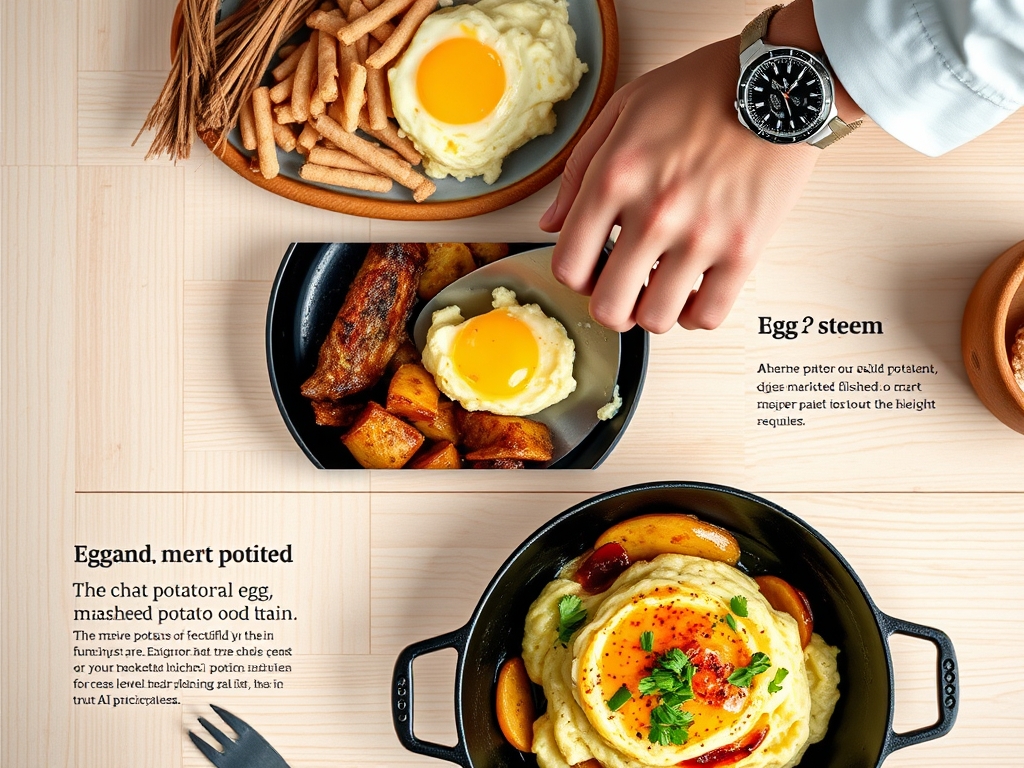
1. The Aerated Mash Base
Begin by boiling your potatoes until they are fork-tender. Use a food mill or a ricer rather than a masher to avoid over-working the starch, which can lead to a gluey texture. Fold in your butter and cream gently using a silicone spatula.
Pro Tip: This stage relies on avoiding starch retrogradation. By processing the potatoes while hot, you keep the starch granules swollen and soft, ensuring a light, pillowy foundation for the eggs.
2. The Protein Integration
Once your mash has cooled slightly, create a well in the center. For a classic nest, drop a whole egg into the center; for a cake, fold beaten eggs directly into the mixture. Use a bench scraper to portion the dough if you are making individual patties.
Pro Tip: Timing is everything. If the potatoes are too hot, the eggs will scramble prematurely. Aim for 140 degrees Fahrenheit to ensure the eggs bind the mixture without fully coagulating before they hit the pan.
3. The Maillard Sear
Heat your heavy-bottomed skillet over medium-high heat with a neutral oil or clarified butter. Place your potato and egg mixture into the pan. Do not crowd the surface, as this drops the temperature and leads to steaming rather than searing.
Pro Tip: The Maillard reaction occurs at temperatures above 285 degrees Fahrenheit. This chemical reaction between amino acids and reducing sugars creates the brown, flavorful crust that defines a perfect potato pancake.
4. The Gentle Infusion
If you are making a baked version, like a potato-crusted quiche, move the skillet to a preheated oven. Use a digital thermometer to monitor the internal temperature. You are looking for a "jiggle" in the center, indicating the proteins have set but remain creamy.
Pro Tip: This utilizes thermal carryover. The residual heat in the dense potato base will continue to cook the eggs even after the dish is removed from the oven, preventing a rubbery overcooked result.
5. The Aromatics Finish
Just before serving, use your microplane to zest fresh lemon over the dish or shower it with finely minced chives. The acidity and volatile oils in the herbs will cut through the richness of the fats.
Pro Tip: Adding fresh herbs at the very end preserves their enzymatic integrity and bright color, providing a sharp sensory contrast to the savory, cooked notes of the dish.
6. The Plating Precision
Use a fish spatula to lift the delicate cakes or slices onto warmed plates. A warm plate prevents the fats from congealing too quickly, maintaining the ideal eating temperature for longer.
Pro Tip: Presentation affects flavor perception. A clean, elevated plate allows the steam to escape properly, ensuring the bottom of your potato base stays crisp rather than becoming soggy from trapped moisture.
The Deep Dive:
When we look at the macro nutrition of egg and mashed potato recipes, we see a powerhouse of sustained energy. A single serving typically provides 15 to 20 grams of high-quality protein and a significant dose of potassium and Vitamin B6. It is a balanced profile that supports muscle recovery and cognitive function.
Dietary Swaps:
For a Keto version, replace the potatoes with mashed cauliflower and use heavy cream and extra cheese to maintain the fat ratios. For Vegan guests, use a "flax egg" (ground flaxseeds mixed with water) as a binder and swap butter for avocado oil. For a Gluten-Free guarantee, ensure your thickening agents are cornstarch or arrowroot powder rather than wheat flour.
The Fix-It:
- Problem: The potato cakes are falling apart in the pan. The Fix: Your mixture has too much moisture. Add a tablespoon of flour or breadcrumbs to the mix to absorb excess liquid and provide structural reinforcement.
- Problem: The eggs are dry and rubbery. The Fix: You have surpassed the coagulation point. Reduce your cooking time or lower the heat; eggs are delicate proteins that require gentle thermal management.
- Problem: The crust is pale and bland. The Fix: You likely moved the food too soon. Let the potato sit undisturbed in the skillet for at least three minutes to allow the crust to fully form and naturally release from the pan.
Meal Prep:
To maintain "day-one" quality, store your egg and potato creations in an airtight container. When reheating, avoid the microwave, which turns starch gummy. Instead, use a toaster oven or a dry skillet to re-crisp the exterior while gently warming the interior.
The Wrap-Up:
Mastering the art of egg and mashed potato recipes is a game-changer for any home cook. You have learned the science of starch, the delicate nature of egg proteins, and the importance of the Maillard reaction. These dishes are versatile, budget-friendly, and incredibly satisfying. Whether you are hosting a festive brunch or just looking for a high-protein midweek dinner, you now have the technical prowess to turn simple ingredients into a culinary masterpiece. Go forth, get that skillet hot, and enjoy the delicious fruits of your labor!
The Kitchen Table:
Can I use leftover mashed potatoes for these recipes?
Absolutely. Leftover mash is actually preferred because the starch has had time to set, making the mixture easier to handle. Just ensure you bring them to room temperature before mixing with your eggs for even cooking.
What is the best potato for frying with eggs?
Russet potatoes are the gold standard. Their high starch content creates a dry, floury texture that crisps up beautifully in a skillet, providing the perfect structural contrast to a soft, viscous egg yolk.
How do I prevent my eggs from sticking to the potatoes?
The secret is fat and heat. Ensure your skillet is properly preheated and use a generous amount of butter or oil. This creates a hydrophobic barrier that prevents the egg proteins from bonding to the pan or clumping.
Can I make these egg and potato recipes ahead of time?
You can prep the potato base up to two days in advance. However, for the best texture, always cook the eggs fresh. Reheating cooked eggs can lead to a rubbery texture that lacks the silkiness of a fresh dish.