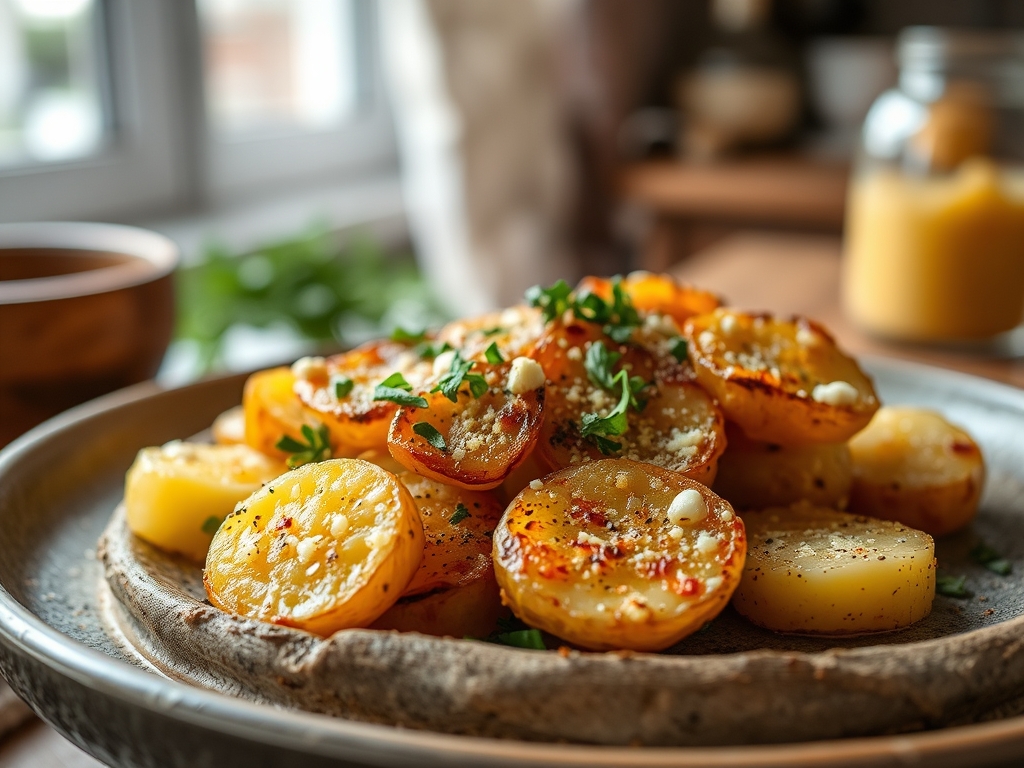
Close your eyes and listen for the sound of a fork scraping against a golden, tectonic crust. That shatter is the hallmark of the world's best parmesan potato recipes. We are moving beyond the humble boiled tuber into a realm where high-heat physics meets aged dairy. It is about that piquant, salty crunch that makes your heart skip a beat.
You know that specific, deep umami craving that only a perfectly roasted spud can satisfy? I have spent years obsessing over the exact ratio of starch to fat to achieve that glass-like exterior. We are not just cooking; we are engineering a texture profile that balances a fluffy, cloud-like interior with a shell that sounds like a dry leaf underfoot. This is the ultimate guide to mastering the Maillard reaction in your own kitchen.
Whether you are hosting a high-stakes dinner party or just treating yourself to a midnight snack that feels like a five-star side dish, these techniques will change your relationship with the potato. We are going to dive deep into the chemistry of crispiness. Grab your favorite apron and a glass of wine; we are about to turn your kitchen into a laboratory of flavor.
The Gathers:
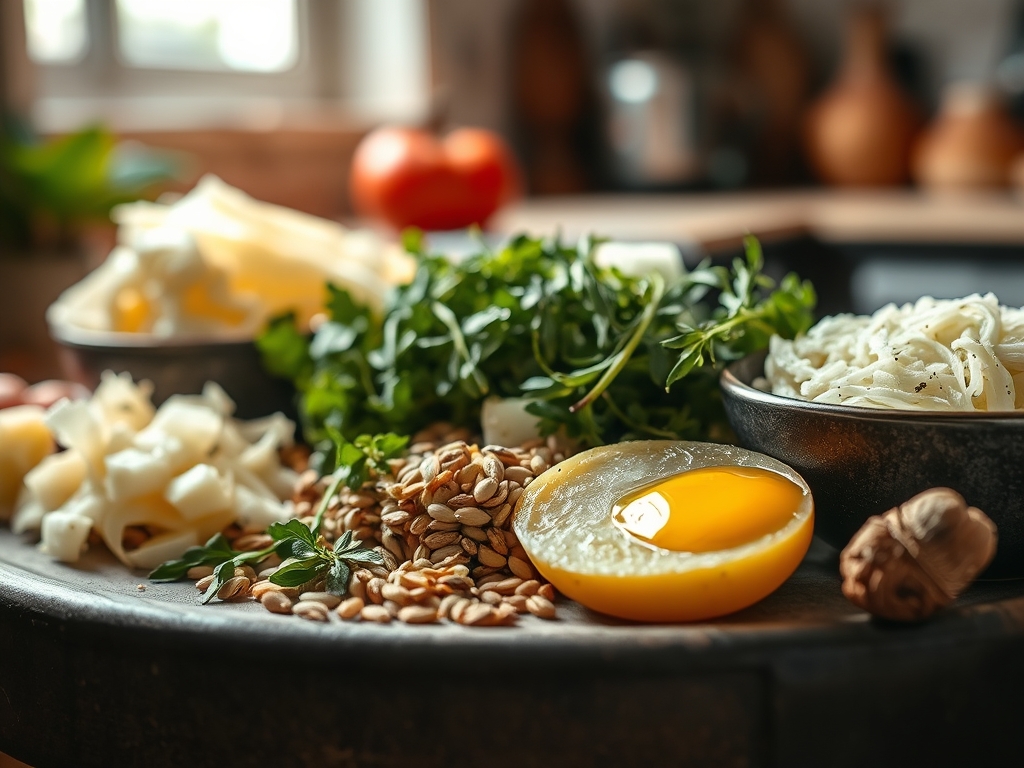
To execute these parmesan potato recipes with precision, your mise-en-place must be impeccable. Start with high-starch potatoes like Russets or Yukon Golds. Russets provide a floury texture that aerates beautifully, while Yukons offer a buttery, viscous mouthfeel. You will need a high-quality Parmigiano-Reggiano; avoid the pre-shredded sawdust found in green cans. We need the real proteins and fats found in aged cheese to create a structural lace.
Your fat choice is paramount. Use a fat with a high smoke point like avocado oil or clarified butter (ghee). For the aromatics, gather fresh rosemary, thyme, and a bulb of garlic that we will infuse into the oil. Do not forget a high-quality sea salt like Maldon for that final, jagged crunch.
Smart Substitutions: If you are avoiding dairy, a nutritional yeast and cashew flour blend can mimic the piquant profile of parmesan. For a lower glycemic index, swap the white potatoes for Japanese sweet potatoes, though you will need to adjust your roasting times to account for the higher sugar content which caramelizes faster.
The Clock:
Efficiency in the kitchen is about "Chef's Flow." Total active prep time for these recipes is approximately 20 minutes, with a roasting window of 45 to 55 minutes. The secret is the "staggered start." While your oven preheats to a blistering 425 degrees Fahrenheit, you should be parboiling your potatoes.
This parboiling step is non-negotiable. It gelatinizes the exterior starch, creating a fuzzy surface area that, once hitting the hot oil, transforms into a craggy crust. By the time your potatoes are drained and steam-dried, your roasting pan should be preheating in the oven. This thermal synchronization ensures the potatoes sizzle the moment they touch the metal, preventing sticking and maximizing heat transfer.
The Masterclass:
1. The Precision Cut
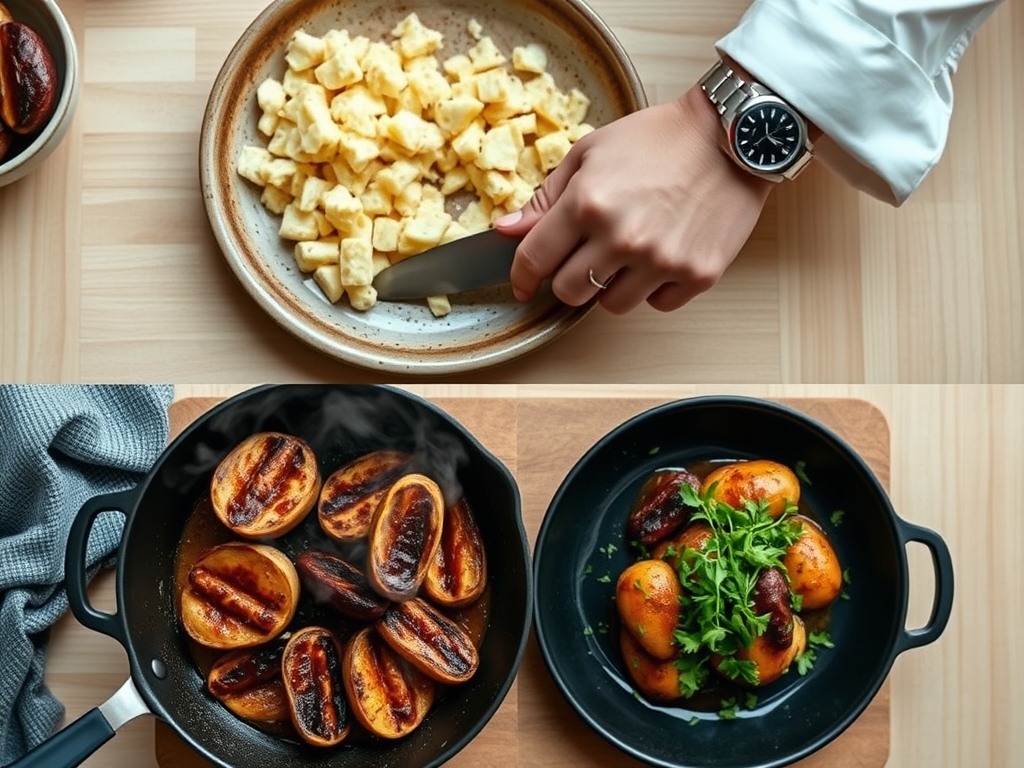
Use a sharp chef's knife or a mandoline to ensure uniform thickness. For wedges, cut the potato in half lengthwise, then into thirds. Uniformity ensures that every piece reaches the peak of caramelization at the exact same moment.
Pro Tip: This prevents "thermal variance." If pieces are uneven, smaller bits will undergo enzymatic browning too quickly and burn before the larger pieces render their internal moisture.
2. The Alkaline Parboil
Place your potatoes in a pot of cold water with a heavy pinch of salt and a half-teaspoon of baking soda. Bring to a boil and simmer until the edges are just tender.
Pro Tip: The baking soda raises the pH of the water, which breaks down the potato's pectin more effectively. This creates more surface area for the parmesan to cling to, resulting in a thicker crust.
3. The Rough Up
After draining, return the potatoes to the pot and shake them vigorously. You want the edges to look mashed and "fuzzy." This is where you add your infused oil and a dusting of flour or cornstarch.
Pro Tip: This physical agitation increases the surface area for the Maillard reaction. More "fuzz" means more tiny peaks that will dehydrate and crisp up in the oven.
4. The Cheese Foundation
Grate your parmesan using a microplane for a snow-like consistency. Mix the cheese with black pepper and garlic powder. Sprinkle half of this mixture directly onto a preheated, oiled baking sheet before adding the potatoes.
Pro Tip: This creates a "frico," or a cheese lace. The proteins in the cheese will undergo a Maillard reaction against the metal, fusing to the potato and creating a savory, brittle base.
5. The High-Heat Roast
Spread the potatoes in a single layer. Use tongs to ensure no two pieces are touching. Crowding the pan will cause the potatoes to steam rather than roast, leading to a soggy texture.
Pro Tip: Airflow is essential for moisture evaporation. If the water vapor cannot escape, it will rehydrate the starch granules, ruining your crunch.
6. The Mid-Point Flip
Halfway through the roast, use a metal bench scraper or a thin spatula to flip the potatoes. This is the moment to add the remaining parmesan and any fresh woody herbs like rosemary.
Pro Tip: Adding herbs too early can lead to carbonization and bitterness. Adding them now allows the oils in the herbs to infuse into the fat without burning.
7. The Carryover Finish
Remove the pan from the oven when the potatoes look a shade lighter than your desired end result. Let them sit on the hot tray for five minutes before serving.
Pro Tip: This utilizes "thermal carryover." The internal heat continues to cook the center while the exterior sets and hardens as the surface temperature drops slightly.
8. The Final Seasoning
While still hot, toss the potatoes with a final zest of lemon or a sprinkle of fresh parsley. The residual heat will bloom the aromatics without wilting them into oblivion.
Pro Tip: This adds a bright acid note that cuts through the heavy fats and umami of the parmesan, balancing the palate.
The Deep Dive:
When we look at the macro nutrition, a standard serving of these parmesan potatoes provides complex carbohydrates for sustained energy, plus a hit of protein and calcium from the cheese. To make this Keto-friendly, use the parmesan crust technique on cauliflower florets or radishes. For a vegan version, use a high-quality plant-based butter and a mixture of ground hemp seeds and nutritional yeast.
The Fix-It:
- Problem: Potatoes are sticking to the pan. Fix: You likely didn't preheat the pan or didn't use enough fat. Use a metal spatula to gently pry them up after they have cooled for sixty seconds.
- Problem: The cheese is burning before the potatoes are soft. Fix: Your oven rack is too low. Move it to the center position to balance radiant heat.
- Problem: The crust is soggy. Fix: You skipped the steam-drying step. Always let parboiled potatoes sit in a colander for three minutes to let excess moisture evaporate.
Meal Prep: To reheat and maintain "day-one" quality, avoid the microwave at all costs. The microwave vibrates water molecules, which turns your crispy crust into a rubbery mess. Instead, use an air fryer at 375 degrees for four minutes or a heavy-bottomed skillet over medium heat to re-crisp the base.
The Wrap-Up:
Mastering parmesan potato recipes is a rite of passage for any home cook who values texture and bold flavor. By understanding the science of starch and the behavior of aged cheese under high heat, you have moved from following a recipe to commanding a technique. These eight hacks are your toolkit for side-dish perfection. Now, go forth and shatter some crusts!
The Kitchen Table:
Which potato is best for roasting?
Yukon Gold potatoes are the gold standard. They possess a naturally creamy texture and a medium starch content that holds its shape while still developing a crisp, golden-brown exterior when roasted at high temperatures.
How do I stop my parmesan from burning?
Use a microplane to grate the cheese finely and mix it with a little oil. This coats the cheese proteins, slowing down the browning process and allowing the potato to cook through before the cheese carbonizes.
Can I make these ahead of time?
Yes. Parboil and roughen the potatoes up to 24 hours in advance. Store them uncovered in the fridge. This actually dehydrates the surface further, leading to an even superior crunch when you finally roast them.
Why are my roasted potatoes soggy?
Sogginess usually results from overcrowding the pan or not drying the potatoes after boiling. Ensure each potato has space for airflow; otherwise, they will steam in their own moisture instead of roasting.
Is it necessary to peel the potatoes?
Peeling is optional but recommended for the maximum "fuzz" factor. However, if you keep the skins on, you gain extra fiber and a rustic texture. Just ensure they are scrubbed clean and completely dry.