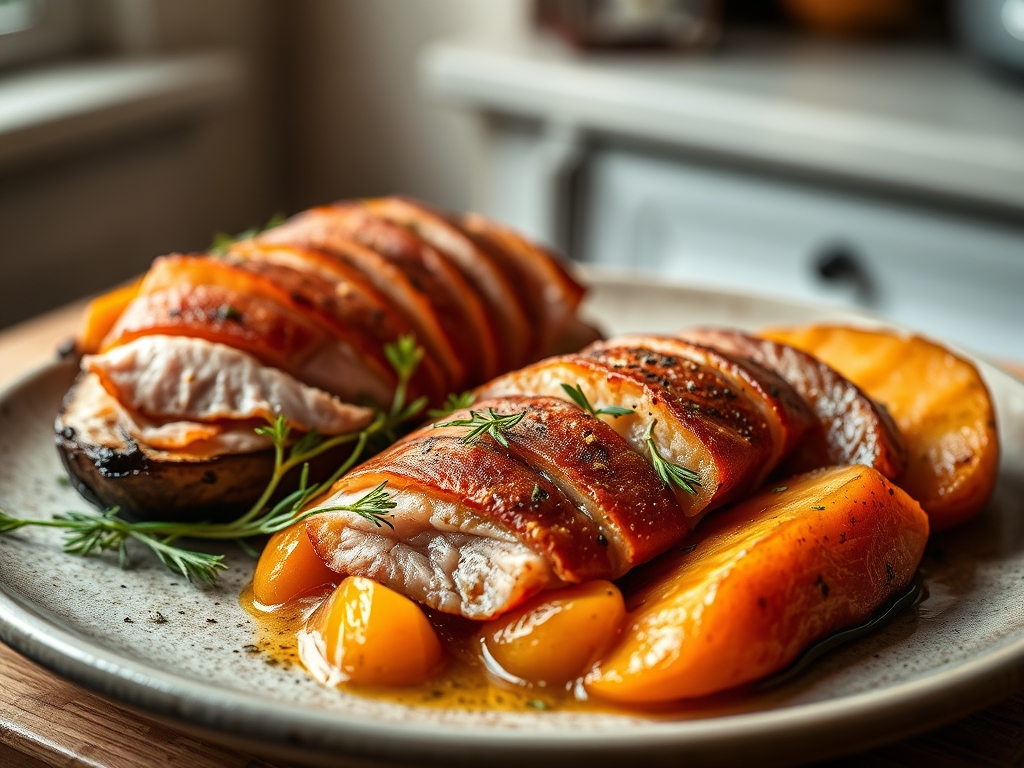
Picture the scent of salt-cured pork meeting the caramelizing sugars of a roasting tuber. It is a sensory collision that defines comfort. When you master ham and sweet potato recipes, you are not just cooking; you are balancing the intense salinity of cured protein against the earthy, beta-carotene-rich sweetness of the yam. This pairing is a culinary powerhouse.
The magic lies in the contrast. Ham provides the umami and the fat, while the sweet potato offers a velvety texture and a natural sugar profile that rounds out the bite. Whether you are looking for a rustic sheet pan roast or a sophisticated gratin, these two ingredients are soulmates in the skillet. We are going to dive deep into the molecular mechanics of why these flavors work, ensuring your kitchen smells like a five-star bistro by the time the timer dings. Grab your favorite apron; we are about to elevate your weeknight rotation with some serious science and a whole lot of flavor.
The Gathers:
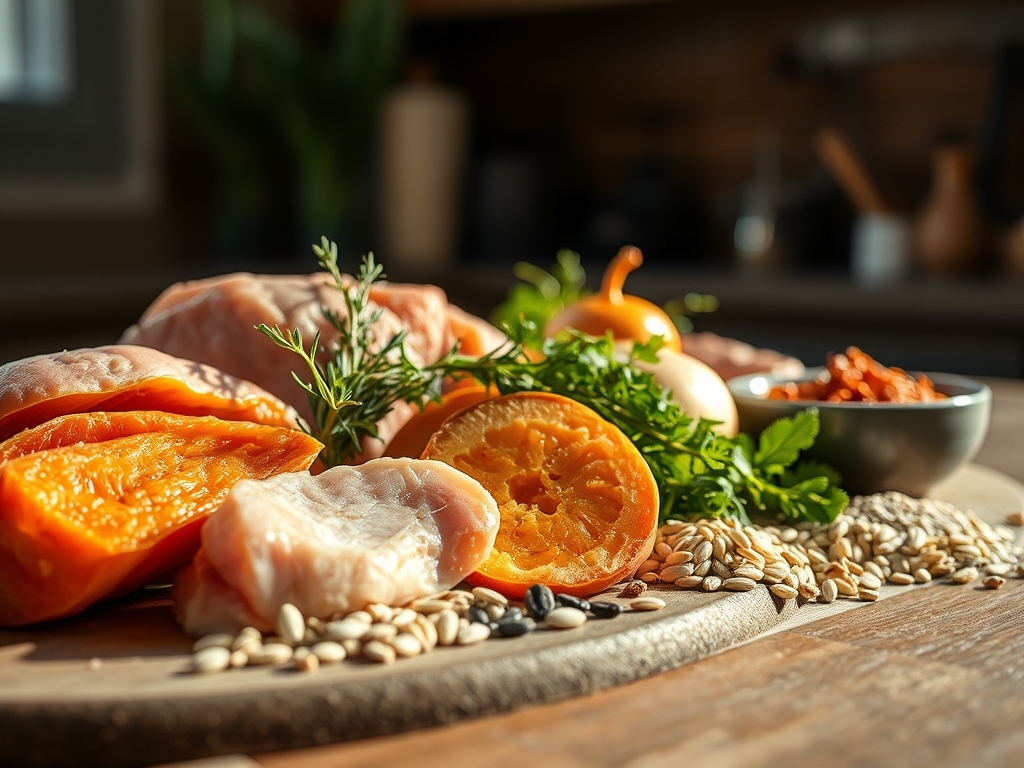
Before we fire up the range, let us look at our mise-en-place. Success starts with a digital scale to ensure your ratios are precise. You will need high-quality ham; look for bone-in or thick-cut steaks rather than thin deli slices to ensure the meat can withstand high heat without becoming desiccated. For the potatoes, select Garnet or Jewel varieties for their high moisture content and vibrant orange hue.
Your secondary players include fresh rosemary and thyme, which contain volatile oils that infuse the fat as it renders. You will also need a high-smoke-point oil like avocado oil or clarified butter. Smart Substitutions are key for the modern kitchen. If you find yourself without ham, smoked pancetta or thick-cut slab bacon offers a similar piquant profile. If sweet potatoes are unavailable, butternut squash provides a comparable starch-to-sugar ratio, though the texture will be slightly more viscous when cooked. Use a microplane to zest a bit of orange over the raw potatoes; the citric acid helps stabilize the pectin, keeping the cubes intact during the roasting process.
The Clock
Efficiency in the kitchen is all about "Chef's Flow." Total active prep time for these ham and sweet potato recipes should clock in at 20 minutes, with a total cook time of 45 minutes. The secret is overlapping tasks. While your oven preheats to 425 degrees Fahrenheit, you should be dicing your tubers and cubing the ham.
By the time the oven reaches the target temperature, your ingredients should already be tossed and seasoned. This high-heat approach is intentional. It triggers the Maillard reaction on the ham surfaces while simultaneously caramelizing the potato sugars. If you are making a stovetop hash, the flow remains the same; use a heavy-bottomed skillet to maintain consistent thermal mass, preventing the temperature from dropping when you add the cold ingredients.
The Masterclass
1. Precision Dicing and Surface Area
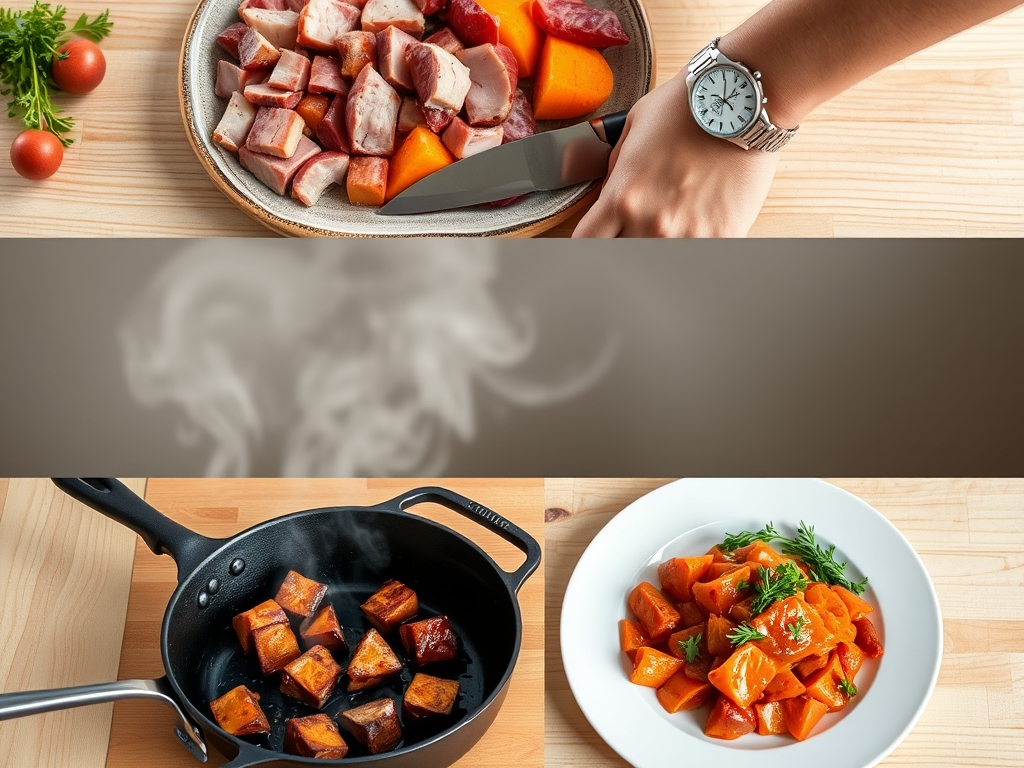
Use a sharp chef's knife and a bench scraper to move your ingredients. Aim for uniform half-inch cubes. Uniformity is not just for aesthetics; it ensures that every piece reaches the ideal internal temperature at the same moment.
Pro Tip: This is about the surface area-to-volume ratio. Smaller cubes increase the area available for browning, which maximizes flavor through enzymatic browning.
2. The Initial Sear and Render
Place your ham in a heavy-bottomed skillet over medium-high heat. You want to render the intramuscular fat, which will serve as the cooking medium for the potatoes.
Pro Tip: Rendering fat is a slow-motion thermal process. Starting with a cold pan and gradually increasing heat allows the fat to liquefy before the proteins toughen.
3. Sautéing the Aromatics
Once the ham has developed a golden crust, use tongs to remove it, leaving the liquid gold fat behind. Toss in your diced sweet potatoes and a pinch of salt. The salt draws out moisture through osmosis, allowing the potatoes to steam slightly before they fry.
Pro Tip: Adding salt early breaks down the hemicellulose in the potato cell walls, leading to a creamier interior texture.
4. Deglazing for Depth
As the potatoes brown, a brown film called fond will form on the bottom of the pan. Use a splash of apple cider or white wine to deglaze the skillet. Use a wooden spoon to scrape up those flavorful bits.
Pro Tip: Deglazing is a chemical extraction. The acidity in the liquid dissolves the caramelized proteins, re-incorporating them into a savory glaze.
5. The Final Fusion
Return the ham to the pan and add a knob of butter and fresh herbs. Toss everything together until the butter begins to foam and smell nutty. This is the beurre noisette stage, adding a toasted flavor profile to the dish.
Pro Tip: Thermal carryover means the food continues to cook after leaving the heat. Pull the pan when the potatoes are just fork-tender to avoid a mushy final product.
The Deep Dive
From a nutritional standpoint, ham and sweet potato recipes are a powerhouse of Vitamin A, potassium, and high-quality protein. One serving typically contains about 350 calories, with a balanced macro split of 40% carbohydrates, 30% protein, and 30% healthy fats.
For dietary swaps, those seeking a Vegan option can substitute the ham with smoked tempeh or "facon" and use coconut oil instead of butter. Keto enthusiasts should swap the sweet potatoes for cauliflower florets to keep the net carb count low while retaining the savory ham essence. If you are Gluten-Free, this dish is naturally safe, provided your ham is not cured with wheat-based flavorings.
The Fix-It: Common Pitfalls
- Soggy Potatoes: This happens if the pan is overcrowded. Use a larger skillet or cook in batches to allow steam to escape.
- Burnt Ham: Ham has a high sugar content. If it browns too fast, lower the heat and add a tablespoon of water to regulate the temperature.
- Bland Profile: If the dish feels flat, it lacks acidity. A squeeze of lemon or a teaspoon of Dijon mustard stirred in at the end will brighten the entire flavor profile.
For Meal Prep, the science of reheating is vital. To maintain "day-one" quality, avoid the microwave. Instead, use a saucier or small pan with a teaspoon of water over medium heat. The steam will rehydrate the starches in the potato without making the ham rubbery.
The Wrap-Up
Mastering ham and sweet potato recipes is like learning a new language of flavor. You have balanced the salty with the sweet, the crispy with the creamy, and the scientific with the soulful. This duo is versatile enough for a holiday brunch or a Tuesday night rescue meal. Remember, the secret is in the sear and the patience to let those sugars caramelize. Now that you have the technical roadmap, go forth and turn your kitchen into a laboratory of deliciousness. You have got the tools, the tips, and the talent. Happy cooking!
The Kitchen Table
Why are my sweet potatoes mushy?
Mushiness usually results from overcrowding the pan or overcooking. Ensure you leave space between cubes to allow steam to escape; this promotes the Maillard reaction and creates a crisp exterior while keeping the inside fluffy.
Can I use canned yams for these recipes?
Canned yams are often packed in syrup and are pre-cooked, which ruins the texture for sautéing. Always use fresh, firm sweet potatoes for the best structural integrity and a more nuanced, natural sweetness in your dish.
What is the best way to cut ham for roasting?
Use a sharp carving knife to create uniform cubes or thick batons. Consistency in size is crucial for even heat distribution, ensuring the ham reaches its peak flavor without drying out during the roasting process.
How do I store leftovers without losing texture?
Store leftovers in an airtight glass container for up to four days. To retain texture, reheat in a skillet or air fryer rather than a microwave; this preserves the crisp edges of the ham and the potato.