
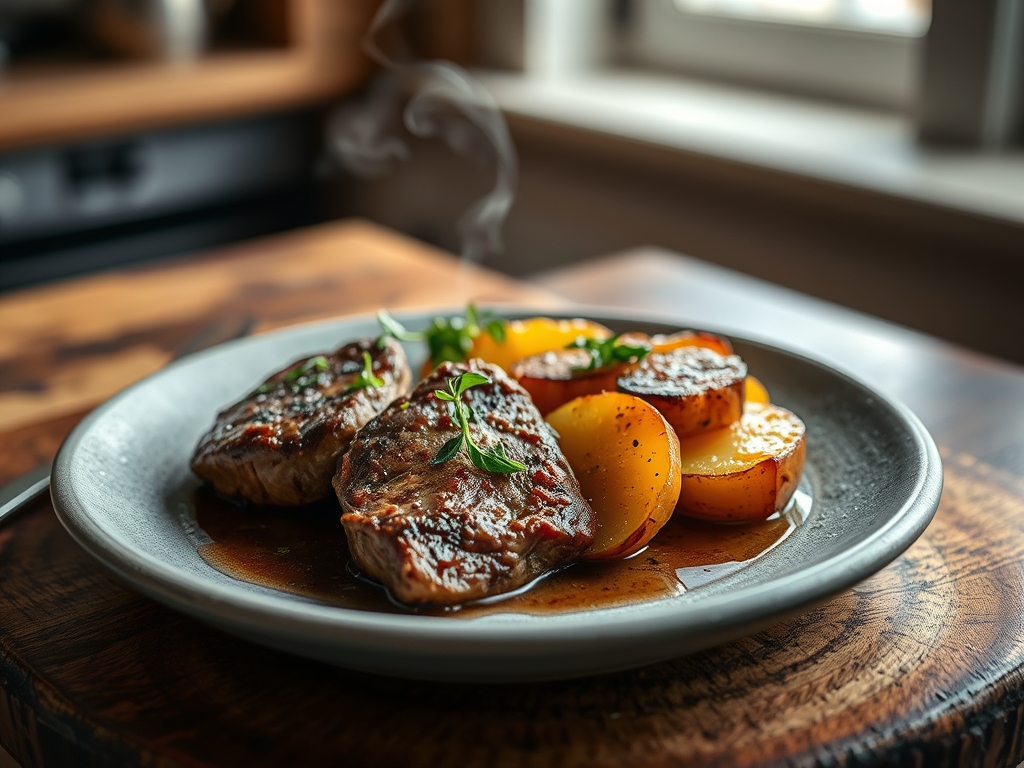
The scent of searing fat hitting a hot cast iron skillet is a universal love language. It is that precise moment when the kitchen transforms into a high-end bistro. If you are craving comfort but lack the hours to spare; these easy steak and potato recipes are your secret weapon for a weeknight victory. We are talking about deep browning; crispy edges; and butter that melts into every crevice.
The beauty of this pairing lies in the contrast of textures. You have the fibrous; protein-rich bite of the beef set against the starchy; pillowy interior of a perfectly roasted spud. It is a culinary archetype for a reason. By mastering a few scientific principles like surface moisture control and heat management; you can elevate a simple grocery haul into a five-star experience without the five-star stress.
The Gathers:
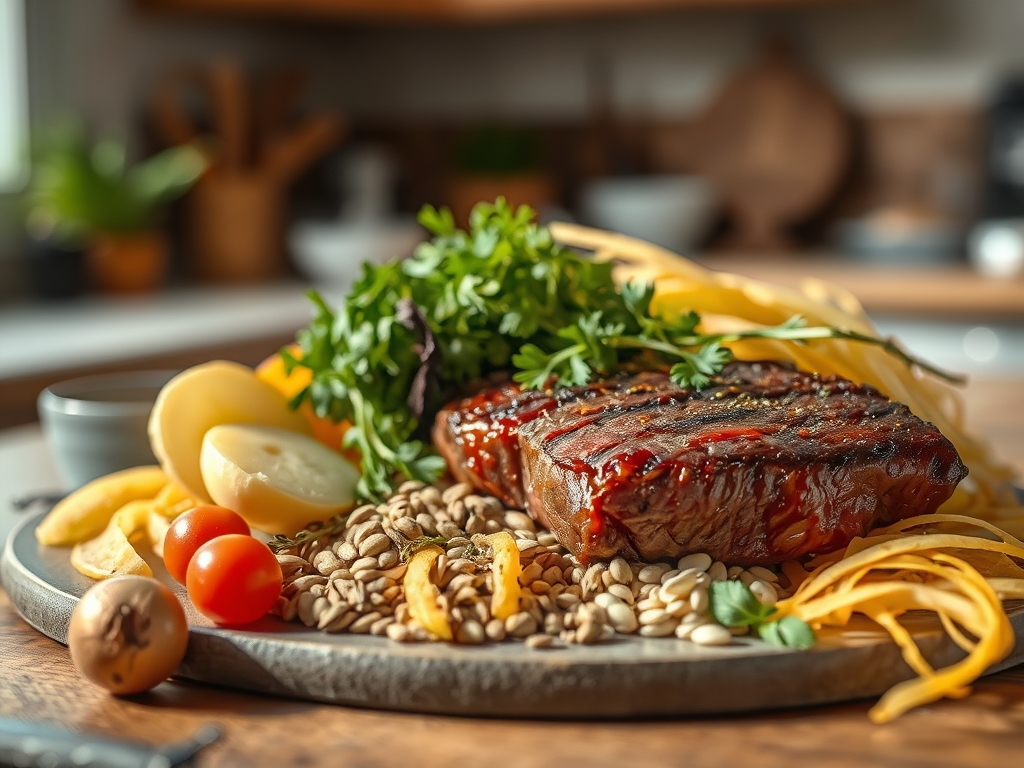
To execute these easy steak and potato recipes with precision; your mise-en-place must be intentional. Start with your protein. Look for heavy marbling in ribeyes or the lean elegance of a flank steak. You will need a digital scale to ensure your portions are consistent for even cooking. For the potatoes; Yukon Golds offer a buttery; waxier texture that holds its shape; while Russets provide the high-starch content necessary for an ultra-crispy exterior.
Your pantry staples should include high-smoke-point oils like avocado or grapeseed. Avoid extra virgin olive oil for the initial sear; as it will smoke and turn bitter before the meat develops a crust. You will also need unsalted butter for the finishing baste; fresh rosemary and thyme for aromatics; and flaky sea salt to provide a piquant crunch. Use a microplane to zest garlic or citrus for a bright finish to your compound butters.
Smart Substitutions:
If you are avoiding nightshades; swap the potatoes for parsnips or celery root. These root vegetables offer a similar density and caramelize beautifully. For the beef; a thick-cut cauliflower steak or a portobello mushroom can mimic the savory depth; provided you use a dash of liquid aminos to enhance the umami profile.
The Clock
Efficiency in the kitchen is all about the "Chef's Flow." This is the art of overlapping tasks so that nothing sits idle. For these easy steak and potato recipes; the total active time is usually under 20 minutes; with a total cook time of 40 minutes.
The flow begins with the potatoes. Since they are denser and require more thermal energy to soften; they go into the oven or onto the stove first. While the starch gelatinizes; you prep your steak by patting it dry and seasoning it. This allows the salt to penetrate the muscle fibers via osmosis. By the time your potatoes are golden and crisp; your steak is ready for its high-heat debut. This synchronized timing ensures both components reach the plate at their peak temperature.
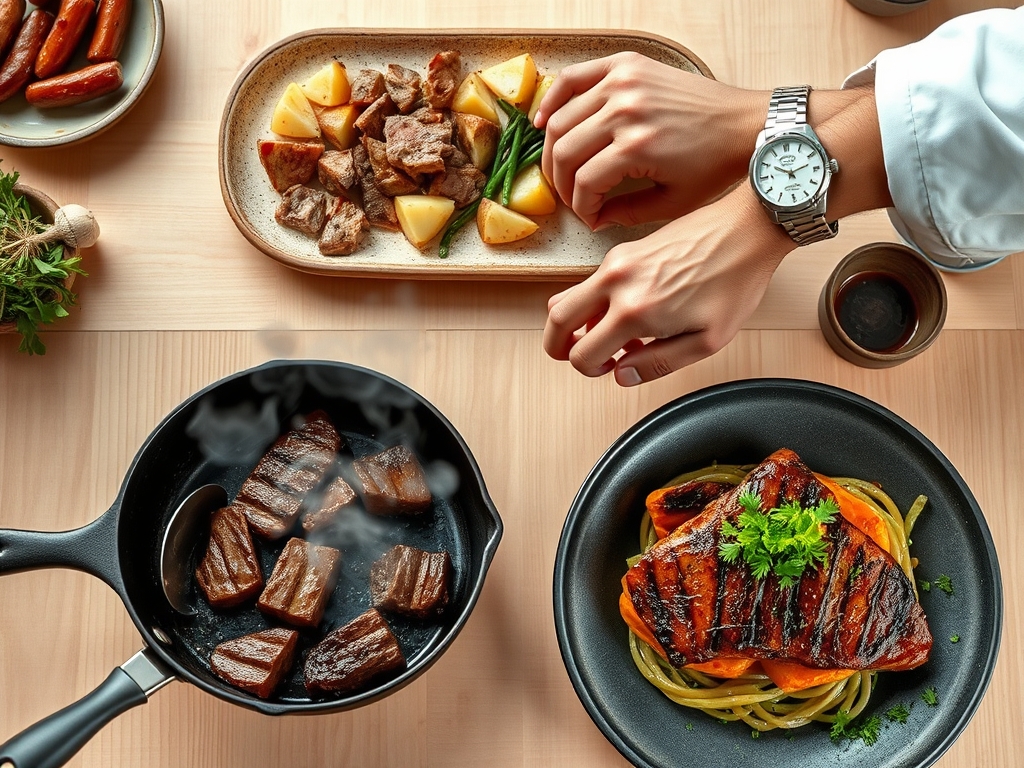
The Masterclass
1. Prep and Dehydrate
Use a paper towel to remove every trace of surface moisture from the steak. Moisture is the enemy of the Maillard reaction; if the surface is wet; the meat will steam rather than sear. Use a bench scraper to cube your potatoes into uniform one-inch pieces for even heat distribution.
Pro Tip: This is known as surface desiccation. By removing moisture; you ensure that the thermal energy goes directly into browning the proteins rather than evaporating water.
2. The Cold Start Potato
Place your potatoes in a pan with cold oil and then turn on the heat. This allows the interior to cook through as the oil temperature rises; resulting in a creamy center and a glass-like outer shell.
Pro Tip: This method utilizes starch retrogradation. Starting cold prevents the outside from burning before the internal enzymes have broken down the tough starches into softer sugars.
3. The High-Heat Sear
Heat a heavy-bottomed skillet until the oil shimmers. Lay the steak away from you to avoid splashes. Do not move it for at least three minutes. Use tongs to flip once a deep mahogany crust has formed.
Pro Tip: This is the Maillard Reaction. Between 280 and 330 degrees Fahrenheit; amino acids and reducing sugars rearrange to create hundreds of flavor compounds that define "meaty" taste.
4. The Butter Baste
In the final two minutes of cooking; drop a knob of butter; crushed garlic; and herbs into the pan. Tilt the skillet and use a large spoon to continuously drench the steak in the bubbling fat.
Pro Tip: This is convection cooking within a liquid medium. The hot butter fills the microscopic nooks of the meat; infusing it with aromatics and ensuring an even finish.
5. The Rest
Transfer the steak to a cutting board and wait. Do not slice it immediately. This is the hardest part of any of these easy steak and potato recipes; but it is the most vital.
Pro Tip: This accounts for thermal carryover. The internal temperature will rise by 5 to 10 degrees after removal. Resting also allows muscle fibers to relax and reabsorb juices; preventing a "bloody" plate.
The Deep Dive
From a macro nutrition perspective; steak and potatoes provide a powerhouse of bioavailable iron; B12; and complex carbohydrates. A 6-ounce portion of lean steak paired with a medium potato offers roughly 45g of protein and 35g of clean carbs. It is the ultimate fuel for muscle recovery.
Dietary Swaps:
For a Keto version; replace the potatoes with roasted radishes or cauliflower florets tossed in tallow. For a Vegan approach; use "Lion's Mane" mushrooms seared in a saucier with vegan butter and miso for that essential savory weight. All these recipes are naturally Gluten-Free; provided you check your spice blends for hidden anti-caking agents.
The Fix-It:
- The Gray Band: If your steak has a thick gray ring inside; your heat was too low. Use a higher flame and shorter sear time next time.
- Soggy Potatoes: This happens if the pan is crowded. Use two pans or a larger baking sheet to allow steam to escape.
- Burnt Garlic: If your garlic turns black and bitter; you added it too early. Always add aromatics during the last 120 seconds of cooking.
Meal Prep Science:
To reheat without turning your steak into rubber; use the "Low and Slow" method. Place the steak and potatoes in a 250-degree oven until just warm. This prevents the proteins from tightening further; maintaining that "day-one" tenderness.
The Wrap-Up
Mastering easy steak and potato recipes is about more than just a meal; it is about understanding the chemistry of your kitchen. When you respect the sear and honor the rest; you turn basic ingredients into a culinary triumph. Whether you are cooking for a date or just treating yourself after a long Tuesday; these techniques ensure a perfect result every single time. Now; grab your favorite skillet and get glowing.
The Kitchen Table
Why is my steak tough even if I cook it medium-rare?
You likely cut it with the grain. Always slice perpendicular to the muscle fibers. This shortens the fibers; making the meat much easier to chew and releasing more juice with every bite.
How do I get my potatoes extra crispy?
Parboil them in alkaline water (add a pinch of baking soda) before roasting. This breaks down the surface starch; creating a fuzzy layer that dehydrates into a profound; glass-like crunch in the oven.
Can I cook steak and potatoes in the same pan?
Yes; but timing is critical. Start the potatoes first since they take longer. Once they are nearly tender; push them to the side and sear the steak in the center to utilize the rendered fat.
What is the best oil for searing steak?
Use oils with a high smoke point like avocado; grapeseed; or refined peanut oil. These can withstand the 400-degree temperatures required for a proper sear without breaking down or producing acrid smoke.