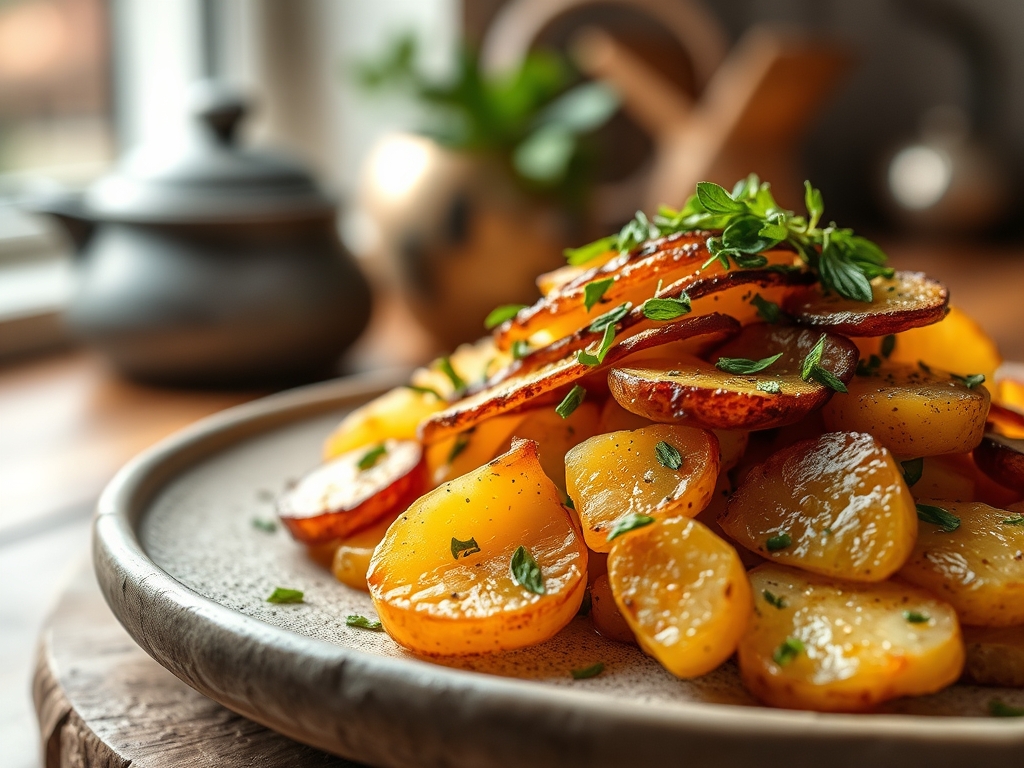
Imagine the scent of rosemary hitting a hot sheet pan; it is the olfactory equivalent of a warm hug. For years, the humble spud was unfairly cast as the villain in the fitness narrative. However, when you master the science of resistant starch, healthy potato recipes for weight loss become your most effective tool for satiety and sustained energy.
The Gathers:
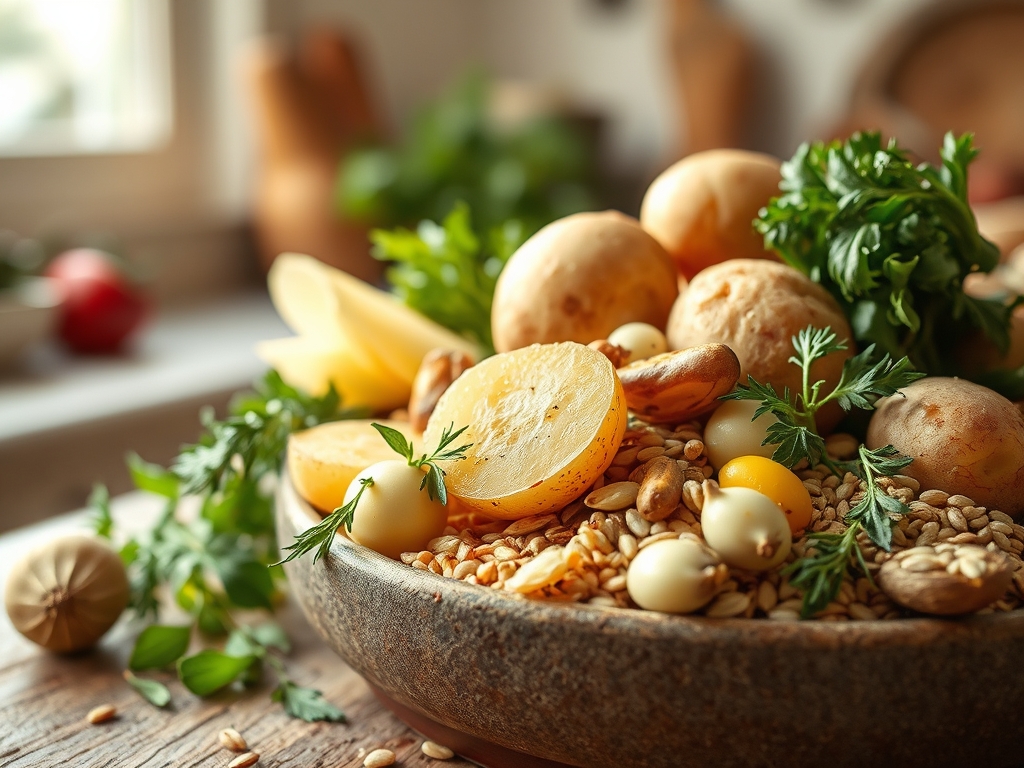
To execute these nine variations, your mise-en-place must be precise. We are looking for waxy varieties like Yukon Golds for salads and starchy Russets for roasting. You will need a digital scale to ensure portion accuracy; weight is a much more reliable metric than volume when tracking macros. Gather high-quality extra virgin olive oil, Maldon sea salt for textural contrast, and a bouquet of fresh herbs like thyme and flat-leaf parsley.
Smart Substitutions are the secret to calorie density management. Instead of heavy cream, use Greek yogurt to provide a viscous texture and a protein boost. Swap butter for a splash of vegetable stock when deglazing your heavy-bottomed skillet. If you want a cheese-like flavor without the saturated fat, reach for nutritional yeast. It provides a piquant, nutty profile while keeping the dish plant-based. Ensure your aromatics; garlic, shallots, and ginger; are finely minced using a microplane to maximize surface area and flavor infusion.
The Clock
Efficiency in the kitchen is about the Chef's Flow. This isn't just about total time; it is about overlapping tasks to minimize downtime. Expect a 15-minute prep window followed by 25 to 40 minutes of active cooking depending on the specific recipe chosen.
Start by preheating your oven or air fryer. While the heating element reaches its target temperature, use a bench scraper to clear your workstation as you chop. If you are boiling potatoes, start the water first; it takes longer to reach a rolling boil than it does to peel a tuber. By the time your potatoes are cubed, the water is ready. This synchronization ensures you aren't standing around waiting for a pot to boil while your energy wanes.
The Masterclass
1. The Perfect Parboil
Start by placing your cubed potatoes in cold, salted water before bringing them to a boil. This ensures the interior and exterior cook at the same rate.
Pro Tip: This prevents enzymatic browning and begins the gelatinization of starches. Adding a teaspoon of vinegar to the water helps the potato retain its shape by strengthening the pectin cell walls.
2. The High-Heat Roast
Drain the potatoes and let them steam-dry in a colander for three minutes. Toss them with a minimal amount of oil and spices before spreading them on a preheated baking sheet.
Pro Tip: Steam-drying is essential for the Maillard reaction. If the surface is wet, the energy goes into evaporating moisture rather than browning the sugars and proteins, resulting in soggy spuds.
3. The Aerated Mash
For a lighter mash, use a potato ricer instead of a masher. Fold in warm almond milk and roasted garlic using a silicone spatula.
Pro Tip: Over-working potatoes releases too much starch, turning the mixture gluey. Using a ricer allows you to aerate the potatoes, maintaining a fluffy texture without the need for excessive fats.
4. The Saucier Simmer
Create a healthy potato curry by simmering cubes in a light coconut milk and turmeric broth. Use a saucier to ensure even heat distribution and prevent scorching.
Pro Tip: Turmeric is fat-soluble. To maximize its anti-inflammatory benefits, always bloom the spice in a tiny amount of oil before adding your liquid base.
5. The Air-Fried Crisp
Slice potatoes into thin rounds using a mandoline. Toss with smoked paprika and air fry at 400 degrees Fahrenheit, shaking the basket halfway through.
Pro Tip: Rapid air circulation mimics deep frying through convection. The high heat creates a crisp exterior while the internal moisture remains trapped, providing a satisfying crunch for fewer calories.
6. The Chilled Salad
Boil baby potatoes until tender, then immediately shock them in an ice bath. Toss with a mustard-based vinaigrette and plenty of dill.
Pro Tip: Chilling cooked potatoes creates resistant starch. This type of fiber resists digestion in the small intestine, feeding healthy gut bacteria and lowering the overall glycemic index of the meal.
7. The Sheet Pan Hash
Combine diced potatoes with bell peppers, onions, and lean turkey sausage. Roast until the vegetables are caramelized and the potatoes are golden.
Pro Tip: Use tongs to flip the ingredients halfway through. This ensures all surfaces contact the hot metal, promoting even browning and preventing the vegetables from steaming in their own juices.
8. The Stuffed Sweet Potato
Bake a sweet potato whole until the sugars begin to render and caramelize. Slit it open and stuff with black beans, salsa, and a dollop of lime-infused yogurt.
Pro Tip: Sweet potatoes have a higher sugar content than white potatoes. Baking them in their skins traps the steam, which softens the flesh while the skin undergoes a slow caramelization process.
9. The Hasselback Technique
Slice thin slits three-quarters of the way through a potato. Brush with a herb-infused broth and bake until the "leaves" fan out and become crispy.
Pro Tip: This increases the surface area significantly. More surface area means more room for the Maillard reaction to occur, giving you maximum flavor with minimal oil usage.
The Deep Dive
From a macro perspective, a medium potato contains about 160 calories, 4 grams of protein, and 0 grams of fat. It is the micronutrients; vitamin C, potassium, and B6; that make it a powerhouse for recovery. For those following specific diets, these recipes are naturally gluten-free. For a vegan swap, use cashew cream in place of dairy. For a keto-friendly modification, simply reduce the portion size and pair with high-fiber greens to balance the net carb count.
The Fix-It: If your potatoes are too salty, add a splash of lemon juice; the acid cuts through the sodium perception. If they are sticking to the pan, you likely didn't let the pan heat up enough before adding the food. This is the Leidenfrost effect in reverse; the food needs a sear to release. If your roasted potatoes are soft, increase the oven temperature by 25 degrees and move the rack to the bottom position.
Meal prep is the backbone of success. To reheat potatoes while maintaining "day-one" quality, avoid the microwave. Use an air fryer or a dry skillet to re-crisp the exterior. Microwaving vibrates water molecules, which can make the starch granules collapse and turn the potato rubbery.
The Wrap-Up
Mastering healthy potato recipes for weight loss is about respecting the chemistry of the ingredient. By utilizing tools like the microplane and saucier, and understanding concepts like gelatinization and resistant starch, you transform a basic carb into a gourmet, fat-loss-friendly staple. You have the science, the tools, and the flavor profiles; now, go turn that kitchen into a laboratory of deliciousness!
The Kitchen Table
Can I eat potatoes every day and still lose weight?
Yes, as long as you remain in a calorie deficit. Potatoes are highly satiating, which helps prevent overeating. Focus on boiling, steaming, or roasting without heavy fats to keep the calorie density low and nutrient density high.
What is the healthiest way to cook a potato?
Boiling or steaming is the healthiest method as it requires no added fats. Cooling the potato afterward increases resistant starch, which improves gut health and lowers the glycemic response, making it ideal for weight management and blood sugar control.
Are sweet potatoes better than white potatoes for weight loss?
Both have similar calorie counts. Sweet potatoes offer more Vitamin A and fiber, while white potatoes provide more potassium and are more satiating. For weight loss, the cooking method and portion size matter much more than the specific variety you choose.
How do I stop potatoes from turning brown after cutting?
Submerge the cut potatoes in cold water immediately. This blocks oxygen from reaching the surface, preventing the enzymatic browning reaction. Adding a splash of lemon juice or white vinegar to the water provides an acidic environment that further inhibits browning.