
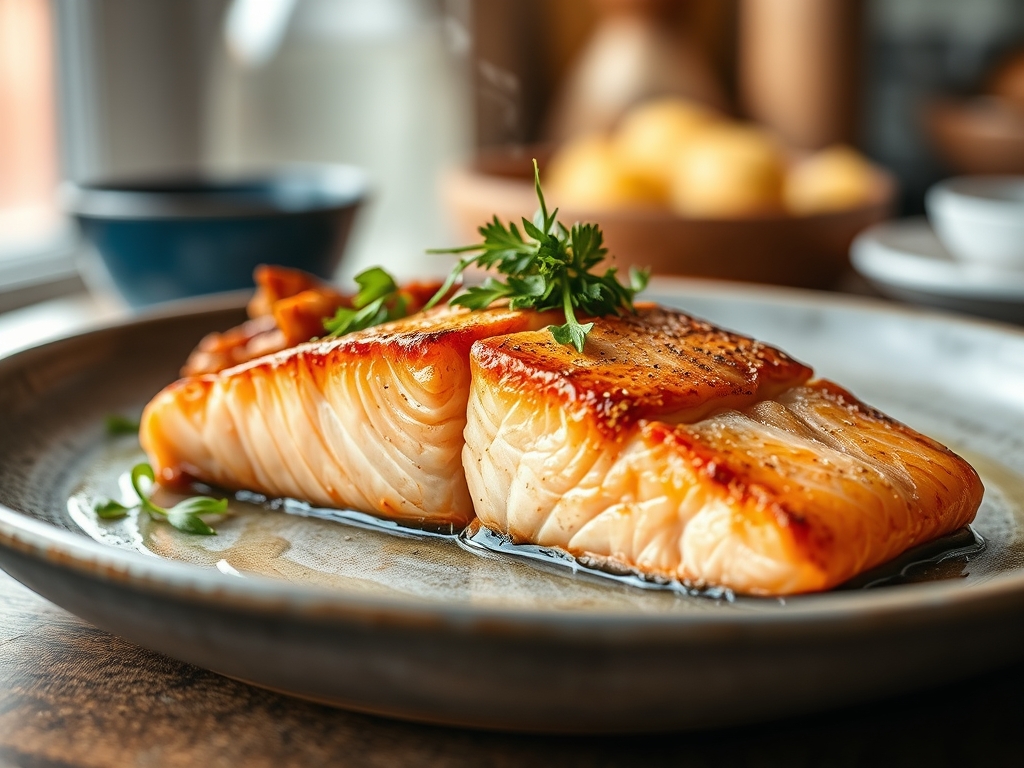
Imagine the hiss of cold, marbled protein meeting a scorching heavy-bottomed skillet. That sound is the symphony of the Maillard reaction, a chemical transformation where amino acids and sugars rearrange to create that savory, golden crust we crave. When you dive into the world of alaska king salmon recipes, you are not just cooking dinner; you are managing a delicate balance of omega-3 fatty acids and thermic energy. This fish, often called the Chinook, is the crown jewel of the Pacific. Its high fat content provides a buttery mouthfeel that other species simply cannot replicate. To master it, you must treat the fillet like a fine steak. We are looking for a glass-like skin crackle and a translucent, succulent center. Forget the dry, flaky fish of school cafeterias. We are aiming for a restaurant-quality sear that preserves the integrity of the ocean's most luxurious harvest. Grab your digital scale and your sharpest chef's knife; we are about to transform a raw slab of silver into a masterpiece of culinary engineering.
The Gathers:
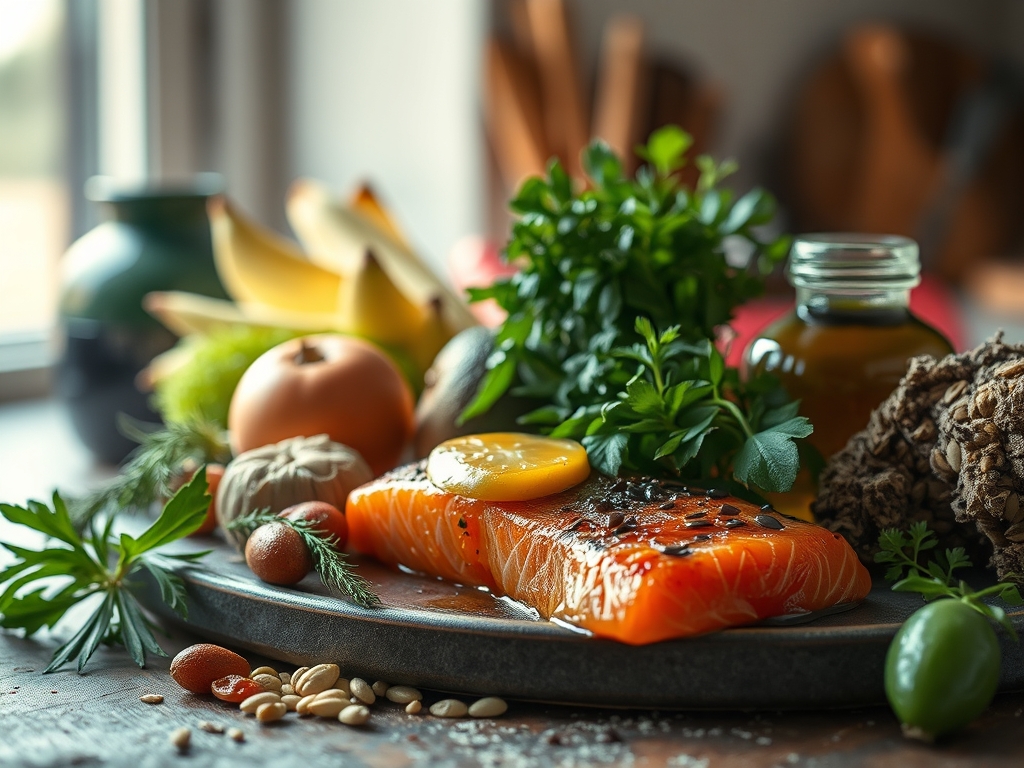
To execute these alaska king salmon recipes with precision, your mise-en-place must be impeccable. Start with 1.5 pounds of center-cut King Salmon, ideally skin-on to protect the delicate flesh from direct thermal shock. You will need high-smoke-point fats; think avocado oil or clarified butter (ghee), as extra virgin olive oil will smoke and acridize before the fish is done. For the aromatic base, gather fresh thyme sprigs, three cloves of smashed garlic, and a piquant Meyer lemon. Use a microplane to zest the citrus, ensuring you only capture the oil-rich flavedo and not the bitter white pith.
Smart Substitutions: If you cannot find King Salmon, Copper River Sockeye is a suitable high-fat alternative, though it is leaner and requires a shorter cook time. For a vegan-friendly "flavor profile" swap, use king oyster mushroom scallops marinated in beet juice and dulse flakes to mimic the oceanic salinity and meaty texture. Instead of butter, a viscous emulsification of cashew cream and nutritional yeast can provide that necessary richness.
The Clock
Efficiency in the kitchen is about the "Chef's Flow." This is the psychological state where your movements are optimized to prevent heat loss or ingredient oxidation.
- Prep Time: 15 minutes. This includes tempering the fish (bringing it to room temperature) and patting the skin bone-dry with lint-free paper towels. Moisture is the enemy of the sear.
- Cook Time: 8 to 10 minutes. This is a high-heat, fast-action process.
- Rest Time: 5 minutes. Essential for moisture redistribution.
The flow begins with the skillet. While the pan preheats, you season. By the time the oil reaches its shimmering point, your salmon is ready for its high-velocity encounter with the heat.
The Masterclass
1. The Desiccation Ritual
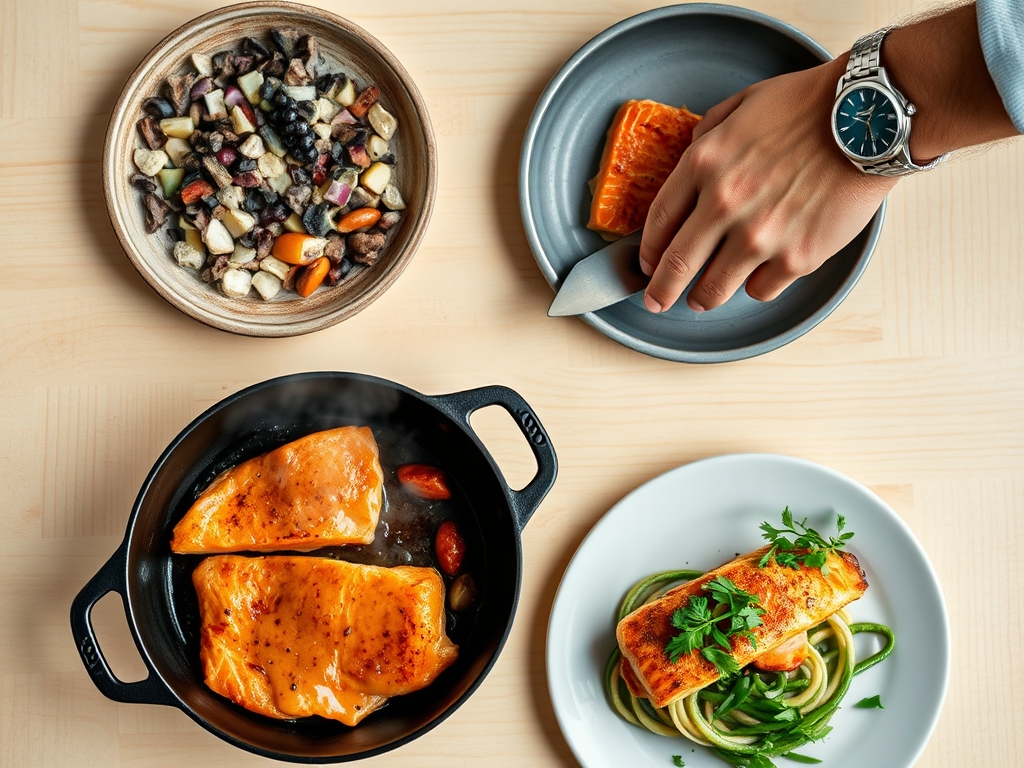
Use the back of your knife or a bench scraper to press against the skin, squeegeeing away every microscopic drop of water. Season only with kosher salt at this stage; pepper can burn and become bitter in the high-heat phase.
Pro Tip: This step utilizes evaporative cooling prevention. If the skin is wet, the energy from the pan goes into boiling the water rather than crisping the proteins, resulting in rubbery, steamed skin.
2. The Thermal Shock
Place your heavy-bottomed skillet over medium-high heat until the oil wisps with light smoke. Lay the fish away from you to avoid hot oil splatter. Press down firmly with a flexible fish spatula for the first 30 seconds to prevent the skin from curling.
Pro Tip: This is the protein denaturation phase. Applying pressure ensures maximum surface-area contact, allowing the heat to render the subcutaneous fat evenly across the skin.
3. The Gentle Render
Lower the heat slightly. You want to see the opaque color creep up the side of the fillet. Do not touch it. Let the skin act as a heat shield, slowly cooking the fat and insulating the lean muscle above.
Pro Tip: This technique leverages conductive heat transfer. By keeping the fish skin-side down for 80 percent of the cook time, you protect the delicate albumin proteins from tightening and squeezing out moisture.
4. The Aromatic Baste
Add a knob of butter, your smashed garlic, and thyme to the pan. Once the butter foams, tilt the pan and use a large spoon to bathe the fish in the infused fat.
Pro Tip: This is convection basting. The hot fat carries the fat-soluble compounds from the garlic and herbs directly into the fissures of the meat, creating a complex flavor profile.
5. The Final Flip and Rest
Flip the fish for a mere 30 seconds to "kiss" the top with heat, then remove it immediately to a warm plate. Use a digital thermometer to pull the fish at 125 degrees Fahrenheit for a perfect medium-rare.
Pro Tip: Carryover cooking is a real physical phenomenon. The internal temperature will rise another 5 degrees while resting as the kinetic energy continues to move toward the center.
The Deep Dive
Macro Nutrition: A standard 6-ounce serving of King Salmon provides approximately 34 grams of high-quality protein and 20 grams of healthy fats. It is an unparalleled source of Astaxanthin, the antioxidant that gives the fish its vibrant coral hue.
Dietary Swaps: For Keto followers, double down on the butter baste. For those seeking Gluten-Free options, ensure your salt is pure and your aromatics are fresh. If you are watching sodium, use a piquant "acid-trip" finish with extra lemon juice and zest to trick the palate into sensing saltiness.
The Fix-It:
- Skin Sticking: You likely moved the fish too early. Protein bonds to metal initially; wait for the Maillard reaction to naturally release the skin.
- White Gunk (Albumin): This happens when you cook the fish too fast or too high. It is just coagulated protein, but it means the meat is drying out. Lower your heat next time.
- Soggy Skin: You skipped the desiccation ritual or crowded the pan. Give your fillets space to breathe so steam can escape.
Meal Prep: To reheat without turning your salmon into a hockey puck, avoid the microwave. Use a low-temperature oven (275 degrees) with a splash of water and a foil cover. This creates a gentle steam chamber that rehydrates the fats without over-denaturing the proteins.
The Wrap-Up
Cooking alaska king salmon recipes is a journey into the heart of professional technique. It is about respecting the ingredient enough to let science do the heavy lifting. When you see that perfectly rendered skin and that buttery, translucent center, you know you have transitioned from a home cook to a culinary artist. Remember; the kitchen is your laboratory, and every sear is an experiment in flavor. Now, go forth, grab your tongs, and show that salmon who is boss.
The Kitchen Table
How do I tell if King Salmon is done without a thermometer?
Gently press the side of the fillet with a fork. If the muscle segments (flakes) begin to separate easily while the center remains slightly translucent, it is perfectly medium-rare. Avoid waiting until it flakes completely, as that indicates overcooking.
Why is my salmon skin not getting crispy?
Moisture is the primary culprit. If the skin is not bone-dry or the pan is not hot enough, the fish will steam. Ensure you use a high-smoke-point oil and do not crowd the skillet, which drops the temperature.
Can I cook King Salmon from frozen?
It is not recommended for high-end alaska king salmon recipes. Thawing allows for even heat distribution. If you must, use a slow-poaching method in olive oil or aromatics rather than searing, as the exterior will burn before the interior thaws.
What is the best way to store leftover salmon?
Place the cooled fillet in an airtight glass container with a slice of lemon. It stays fresh for up to two days. To maintain texture, eat it cold over a salad rather than reheating, which can compromise the delicate fats.