
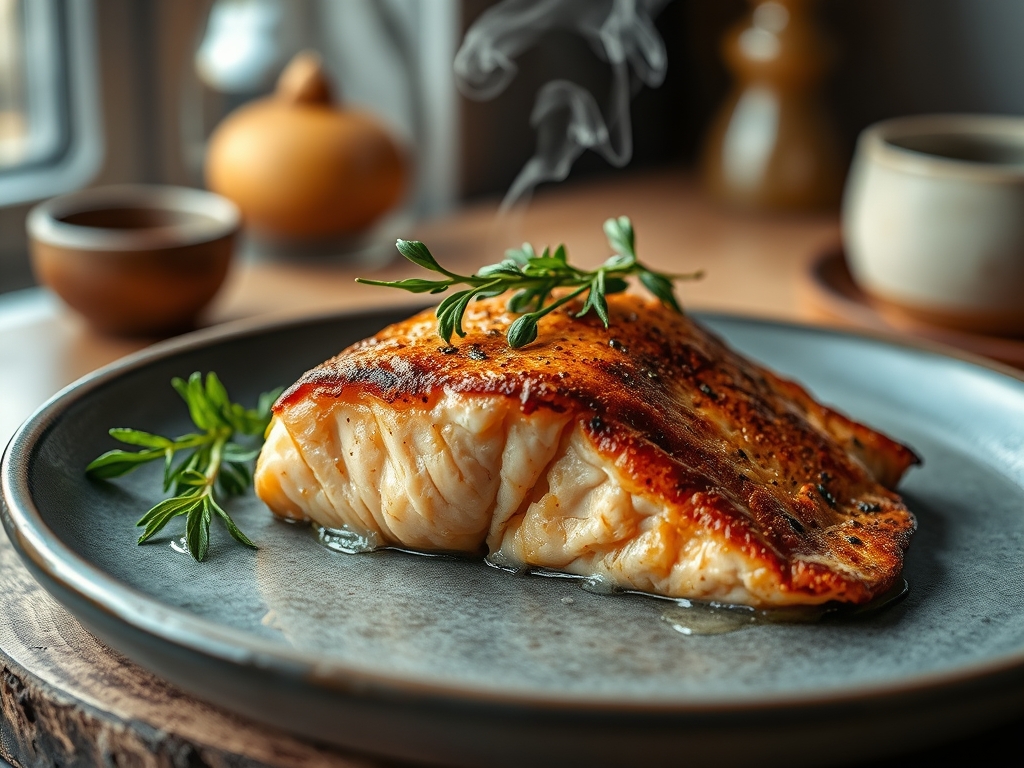
Imagine a heavy-bottomed stainless steel skillet screaming hot on the stovetop. You lay a cold fillet of King Salmon skin-side down; the sound is a violent, rhythmic hiss as the fat begins to render into a liquid gold. Most home cooks reach for a lemon wedge to cut through that rich, fatty profile, but what happens when the crisper drawer is empty or you want a flavor profile that leans into deep umami rather than bright acid? Finding sophisticated salmon recipes no lemon required is about mastering the chemistry of alternative acids and savory aromatics. We are moving beyond the citrus crutch to explore how vinegars, fermented pastes, and toasted spices can elevate your fish to a five-star restaurant standard. This is about building layers of flavor that respect the delicate protein structure of the fish while providing a punchy, memorable finish.
The Gathers:
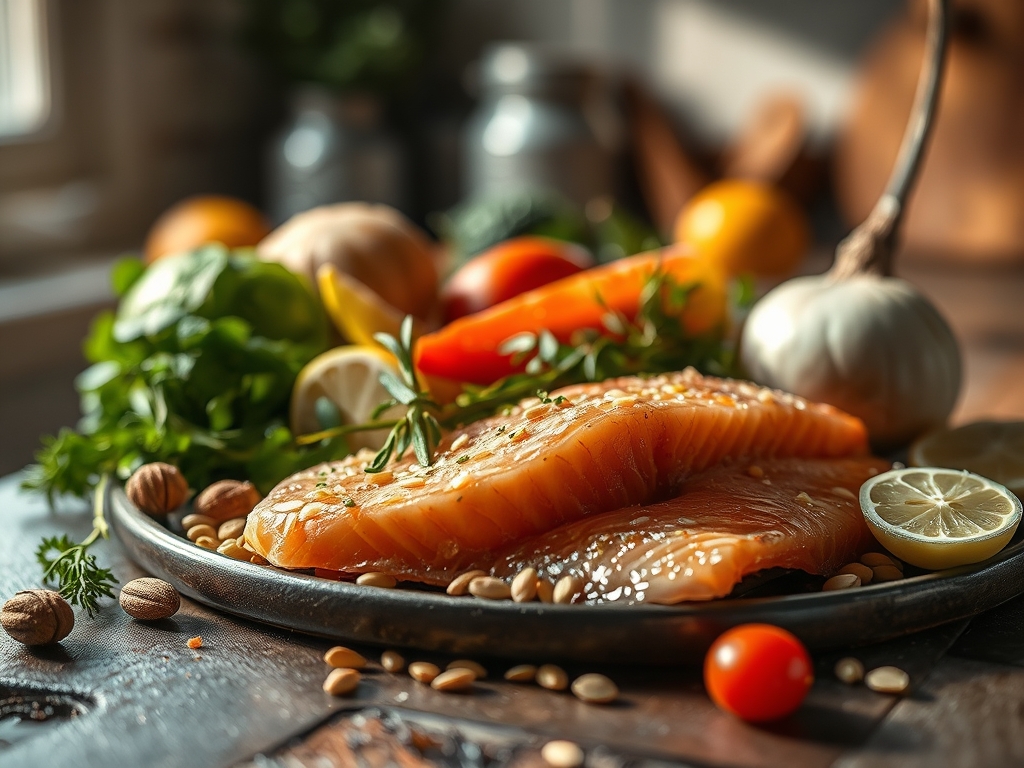
To execute these salmon recipes no lemon style, your mise-en-place must be precise. We are looking for ingredients that provide astringency and brightness without the citric acid. Start with high-quality salmon fillets, preferably center-cut for uniform heat distribution. Your pantry should feature high-smoke-point fats like avocado oil or clarified butter (ghee) to facilitate the Maillard reaction without scorching.
For the flavor profiles, gather your "Smart Substitutions." Instead of lemon juice, reach for Rice Wine Vinegar or Verjus; these provide a sophisticated, wine-like acidity. To mimic the zest, use a Microplane to grate fresh ginger or horseradish; these offer a piquant heat that cuts through the salmon's lipids. For deep umami, have Miso Paste, Tamari, and Fish Sauce ready. These fermented liquids contain glutamates that explode on the palate. Finally, keep a stash of fresh aromatics like shallots, garlic, and dill. The goal is to create a viscous glaze or a dry, toasted crust that seals in moisture while providing a complex exterior.
The Clock:
Efficiency in the kitchen is about "Chef's Flow." This means syncing your prep with the thermal properties of your tools. Total active time for these methods is roughly 10 minutes, with a cook time of 8 to 12 minutes depending on the thickness of the fillet.
Start by pulling your salmon from the refrigerator 20 minutes before cooking. This allows the internal temperature to rise slightly, ensuring a more even cook and preventing the "rebound" effect where the outside overcooks before the center is warm. Use this time to whisk your glazes in a small saucier or to finely mince your aromatics with a sharp chef's knife. If you are using a cast-iron skillet, preheat it on medium-low for at least five minutes. Cast iron has high volumetric heat capacity, meaning it holds onto energy; once it is hot, it stays hot, providing that elusive, glass-like crispy skin.
The Masterclass:
1. The Sear and Deglaze
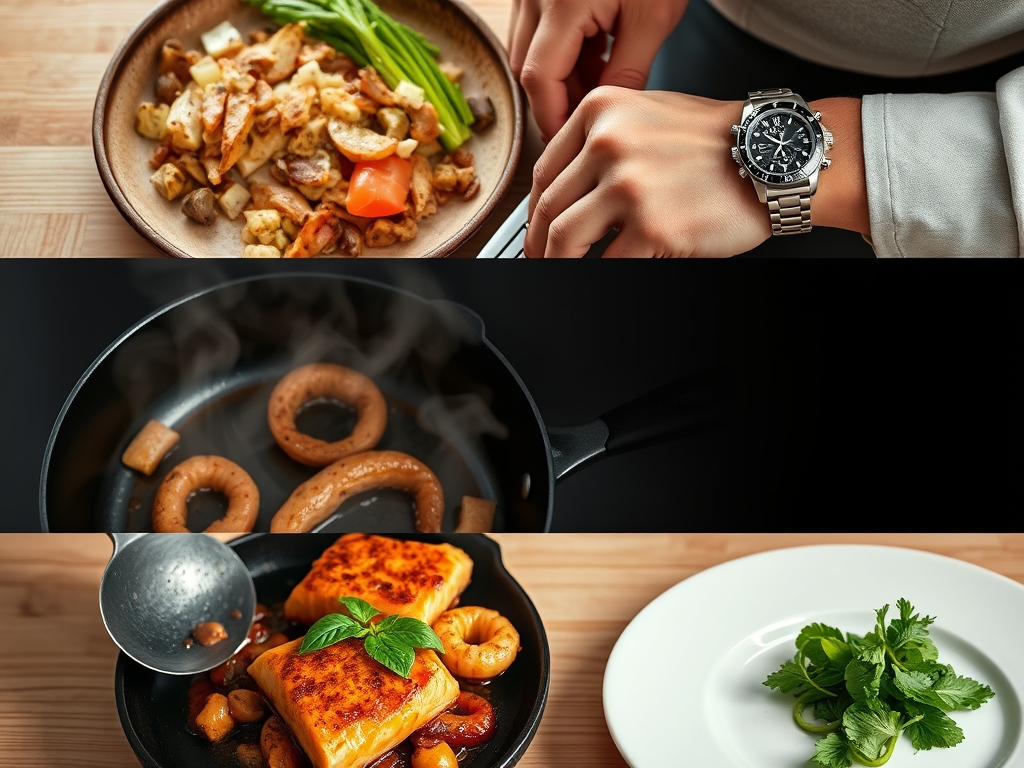
Place the seasoned salmon skin-side down in a hot skillet. Do not move it. Use a fish spatula to press down firmly for 30 seconds to prevent the skin from curling. Once the skin is crisp, flip the fish and deglaze the pan with a splash of white wine or dry sherry.
Pro Tip: This technique utilizes deglazing to lift the fond (browned bits) from the pan. The alcohol in the wine acts as a solvent, capturing flavor molecules that are not water-soluble, creating a complex pan sauce instantly.
2. The Miso-Maple Glaze
Whisk white miso paste with maple syrup and a touch of soy sauce. Brush this onto the salmon during the last two minutes of roasting in the oven. The sugars will caramelize under the broiler, creating a deeply savory crust.
Pro Tip: This is an example of enzymatic browning. The amino acids in the miso react with the sugars in the maple syrup under high heat, creating hundreds of new flavor compounds that mimic the complexity of aged meats.
3. The Brown Butter and Sage Baste
Melt unsalted butter in a skillet until the milk solids turn golden brown and smell nutty. Add fresh sage leaves and spoon the foaming butter over the salmon repeatedly (a process called arroser).
Pro Tip: Brown butter, or beurre noisette, undergoes a thermal transformation where moisture evaporates and the milk solids toast. This adds a "toasted" flavor profile that perfectly complements the fatty oils in the salmon without needing acid.
4. The Horseradish Crust
Mix freshly grated horseradish with panko breadcrumbs and a bit of Dijon mustard. Press this mixture onto the top of the fillet before baking. The mustard acts as a "glue" while providing a sharp, vinegary bite.
Pro Tip: Horseradish contains isothiocyanates, which are volatile compounds that provide a nasal-clearing heat. Baking mellows these compounds slightly, leaving a spicy, earthy finish that balances the fish's richness.
5. The Balsamic Reduction
Simmer balsamic vinegar in a small saucier until it coats the back of a spoon. Drizzle this over pan-seared salmon. The reduction concentrates the acetic acid and natural sugars, providing a syrupy, tart finish.
Pro Tip: As water evaporates, the viscosity of the vinegar increases. This concentrated liquid provides a high-contrast flavor profile that mimics the brightness of citrus through acetic acid rather than citric acid.
6. The Toasted Cumin and Coriander Rub
Toast whole cumin and coriander seeds in a dry pan, then crush them with a mortar and pestle. Rub the spices onto the salmon with plenty of kosher salt before searing in a hot pan.
Pro Tip: Toasting spices initiates a pyrolysis reaction, releasing essential oils that are otherwise dormant. These oils are fat-soluble, meaning they will infuse directly into the salmon as it cooks.
7. The Ginger-Scallion Infusion
Finely mince ginger and scallions, then pour shimmering hot oil over them to create a "sizzling" oil. Pour this over steamed salmon. The heat of the oil flashes the aromatics, releasing their fragrance without burning them.
Pro Tip: This is a form of rapid infusion. The hot oil breaks down the cell walls of the ginger and scallions, allowing the aromatic compounds to migrate into the oil, which then coats the protein evenly.
8. The Capers and Olive Tapenade
Pulse brined capers, kalamata olives, and parsley in a food processor. Spread this over the salmon post-cook. The salt and brine from the preserved vegetables provide the necessary "high notes" usually reserved for lemon.
Pro Tip: Brined ingredients are high in lactic acid from the fermentation process. This acid provides a sharp, salty tang that performs the same chemical function as citrus by "cutting" through the heavy fats on the palate.
The Deep Dive:
From a nutritional standpoint, salmon is a powerhouse of Omega-3 fatty acids, specifically EPA and DHA, which are vital for heart health. These recipes maintain those benefits while keeping the glycemic index low. For those on a Keto diet, these methods are ideal as they focus on healthy fats and proteins. If you are Vegan, you can apply these exact glazes and crusts to thick slabs of cauliflower or firm tofu. For a Gluten-Free version, simply swap soy sauce for tamari and use crushed nuts instead of panko for the crust.
"The Fix-It": If your salmon is sticking to the pan, do not force it with your tongs. This means the proteins haven't finished the denaturation process; wait another 30 seconds and it will release naturally. If the skin is soggy, you likely didn't pat the fish dry. Use a paper towel to remove every drop of surface moisture before it hits the oil. If the fish is "bleeding" white gunk (albumin), you are overcooking it. Pull the fish when it reaches an internal temperature of 125 degrees Fahrenheit; thermal carryover will bring it to a perfect 130-135 degrees as it rests.
For meal prep, reheating salmon can be tricky. To maintain "day-one" quality, avoid the microwave. Instead, place the fillet in a covered pan with a tablespoon of water over low heat. This creates a steam chamber that gently rehydrates the protein fibers without toughening them.
The Wrap-Up:
Stepping away from the lemon wedge isn't just a pivot; it is an upgrade to your culinary vocabulary. By understanding the science of Maillard browning, the power of fermented glutamates, and the elegance of vinegar reductions, you can transform a simple fillet into a masterpiece of flavor and texture. Whether you are craving the spicy kick of horseradish or the deep, earthy notes of miso, these eight methods prove that citrus is just one tool in a very large, very delicious shed. Now, grab your heavy-bottomed skillet and let the searing begin!
The Kitchen Table:
Can I use white vinegar instead of lemon?
Yes, but use it sparingly. White vinegar is much more acidic than lemon juice. Dilute it with a bit of water or honey to balance the sharpness before deglazing your pan or making a sauce.
How do I get crispy skin without citrus?
The secret is moisture control. Pat the skin bone-dry with paper towels and use a high-smoke-point oil. The absence of lemon juice actually helps, as extra liquid can steam the skin instead of frying it.
What is the best substitute for lemon zest?
Freshly grated ginger or a tiny amount of lime leaves provide that floral, aromatic punch. If you want a purely savory vibe, use finely minced lemongrass or even a dash of sumac for a tart, earthy flavor.
Is salmon still healthy if I fry it?
Pan-searing in a small amount of healthy fat like avocado oil is excellent. It preserves the Omega-3s within the fish while adding a satisfying texture. Just avoid deep-frying, which can introduce unnecessary trans fats and overwhelm the delicate flavor.