
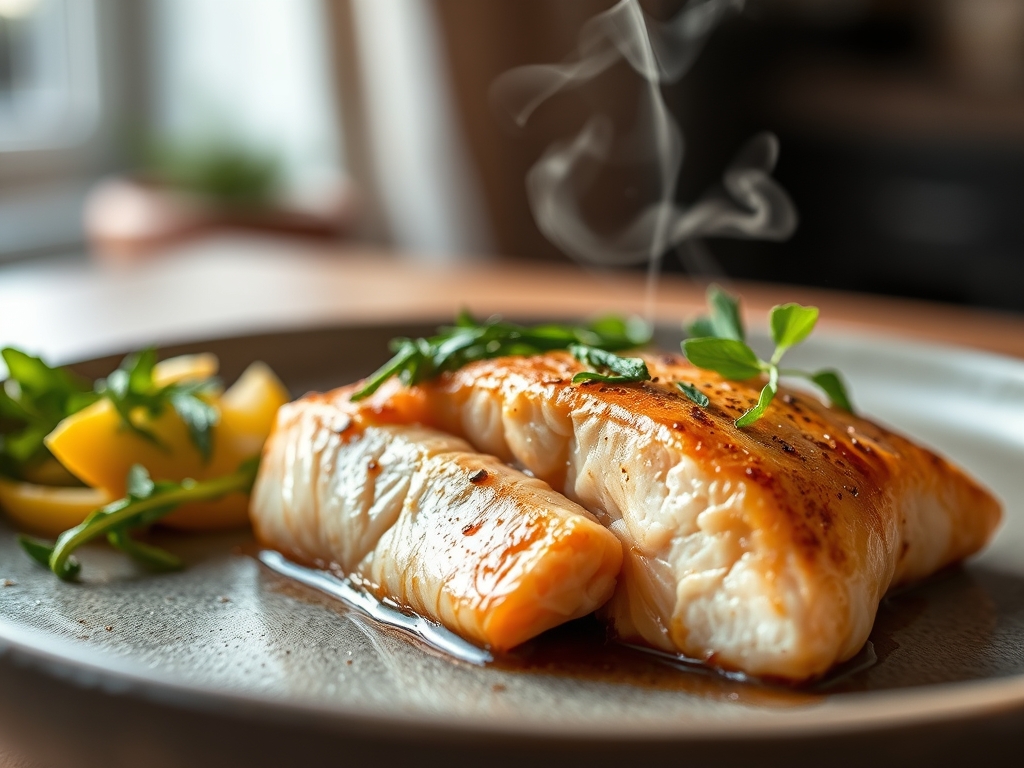
Picture the sizzle of a heavy-bottomed stainless steel pan as cold, fatty protein hits shimmering oil. That immediate, intoxicating aroma of caramelizing amino acids is the hallmark of professional-grade chunk salmon recipes. Most home cooks treat salmon like a delicate flower; they poach it into oblivion or flake it until it resembles tuna salad. We are doing the opposite. We are creating architectural cubes of golden-crusted, butter-soft Atlantic salmon that hold their shape against bold sauces and vibrant aromatics.
Whether you are tossing these cubes into a spicy gochujang glaze or folding them into a lemon-caper pasta, the "chunk" method is a game changer for texture. It maximizes the surface area for the Maillard reaction while keeping the interior at a perfect, translucent medium-rare. By the time you finish this guide, you will understand exactly how to manipulate heat and moisture to turn a standard fillet into a gourmet masterpiece. Forget dry, stringy fish; we are aiming for succulent, bite-sized treasures that pop with flavor. Let us get into the grit of the gear and the glory of the glaze.
The Gathers:
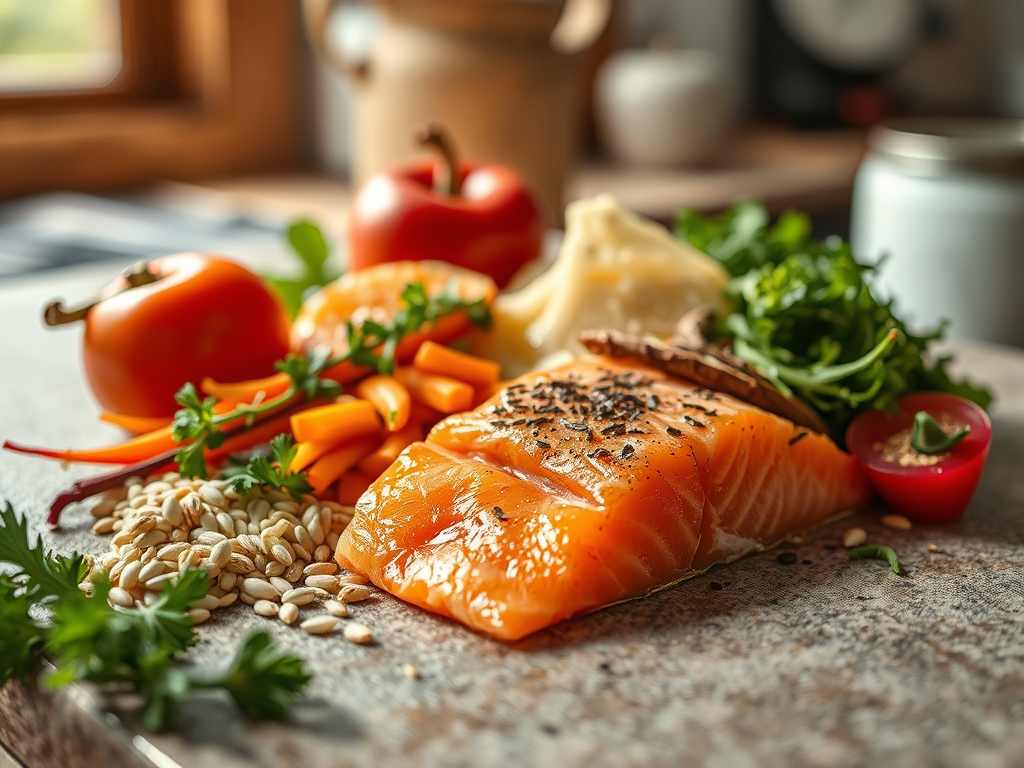
To execute world-class chunk salmon recipes, your mise-en-place must be clinical. Start with high-quality, center-cut salmon fillets. Look for vibrant color and a firm texture; if the flesh feels "mushy," the cellular integrity has already begun to degrade. You will need a sharp chef's knife or a flexible boning knife to ensure clean, geometric cuts without tearing the delicate fibers.
For the seasoning, we use fine sea salt for immediate dissolution and high-smoke-point fats like avocado oil or clarified butter (ghee). Avoid extra virgin olive oil for the initial sear, as its low smoke point will acridly scorch before the salmon develops a crust. You will also need a microplane for fresh citrus zest and ginger, which provides a piquant counterpoint to the rich fish fats.
Smart Substitutions:
If you are out of fresh salmon, high-quality frozen portions work beautifully if thawed slowly in the refrigerator to prevent "drip loss," which is the leaking of internal juices. For a plant-based texture mimic, extra-firm tofu pressed for thirty minutes can be cubed and treated with the same searing technique, though the cook times will vary. If you lack ghee, a neutral grapeseed oil mixed with a small knob of unsalted butter at the very end of cooking provides that classic nutty aroma without the risk of burning.
The Clock: Chef's Flow
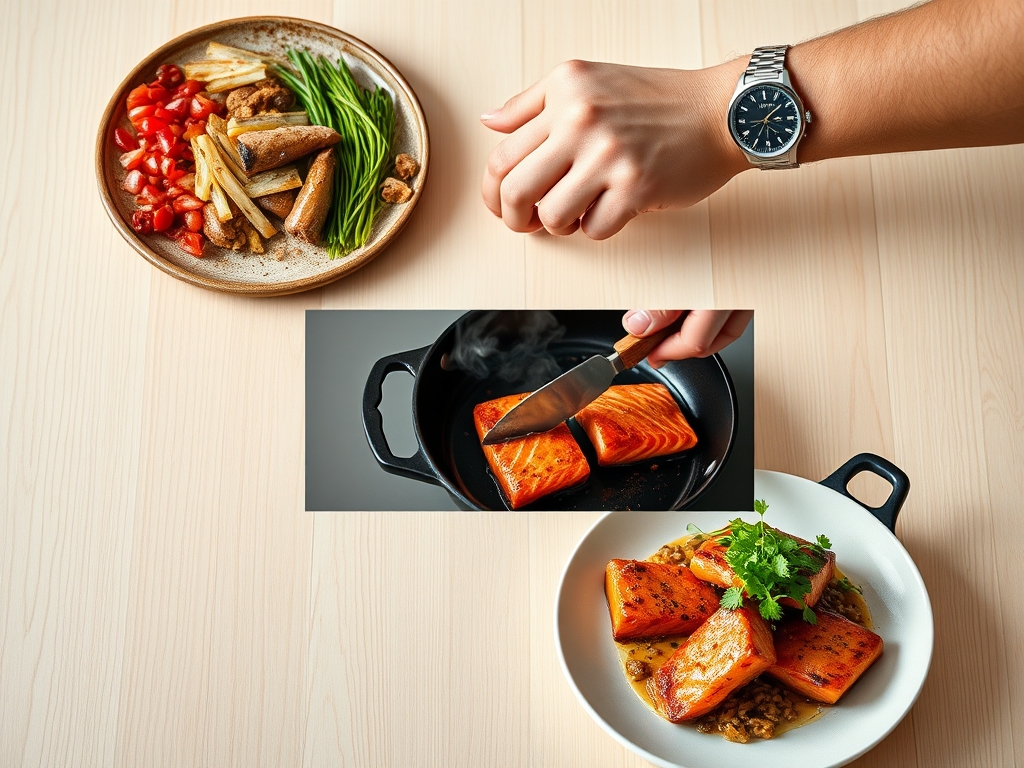
Efficiency in the kitchen is about "The Flow." For chunk salmon recipes, the total active time is approximately 25 minutes.
- Prep (15 Minutes): This includes skinning the fish, cubing it into uniform 1-inch pieces, and patting them bone-dry. Do not skip the drying; moisture is the enemy of the sear.
- The Sear (6 Minutes): We work in batches. Overcrowding the pan drops the surface temperature, causing the fish to steam rather than fry.
- The Finish (4 Minutes): This is where we deglaze the pan with acids (lemon juice or rice vinegar) and emulsify our sauce.
The "Chef's Flow" dictates that your side dishes (grains or greens) should be 90 percent complete before the fish even touches the pan. Salmon waits for no one.
The Masterclass:
1. The Precision Cut
Place your fillet on a stable cutting board. Using a bench scraper to clear your space, slice the salmon into uniform 1-inch cubes. Uniformity is not just for aesthetics; it ensures every piece reaches the target internal temperature simultaneously.
Pro Tip: This is about thermal equilibrium. If pieces vary in size, the small ones will overcook and become chalky before the large ones lose their raw center.
2. The Desiccant Technique
Line a tray with paper towels and arrange the chunks in a single layer. Pat the tops firmly. Leave them uncovered in the fridge for 10 minutes if time allows.
Pro Tip: This removes surface moisture to prevent evaporative cooling. If the fish is wet, the pan's energy is wasted turning water into steam instead of browning the proteins.
3. The High-Heat Initiation
Heat your heavy-bottomed skillet until the oil ripples. Place the chunks in the pan using tongs, leaving space between each. Do not move them for at least two minutes.
Pro Tip: This facilitates the Maillard reaction, a chemical reaction between amino acids and reducing sugars that creates hundreds of different flavor compounds.
4. The Gentle Agitation
Once a golden crust forms, use a fish spatula to flip the cubes. The fish should release naturally from the pan; if it sticks, the crust has not fully formed yet.
Pro Tip: This is "protein denaturation." As the heat climbs, the proteins coil and tighten, eventually releasing their grip on the metal surface.
5. The Aromatic Infusion
Lower the heat slightly and toss in smashed garlic, ginger, or herbs. Use a spoon to baste the salmon with the flavored oil.
Pro Tip: Fats are lipophilic, meaning they easily absorb and carry flavor molecules from aromatics directly into the surface of the fish.
6. The Deglaze and Emulsify
Pour in your liquid component (soy sauce, stock, or wine). Use a saucier whisk or the fish spatula to scrape up the brown bits (the fond) from the bottom.
Pro Tip: This creates a viscous pan sauce. The gelatin released from the fish helps emulsify the fats and liquids into a silky coating.
7. The Carryover Rest
Remove the pan from the heat when the salmon looks just underdone. Transfer to a warm plate.
Pro Tip: Thermal carryover will continue to raise the internal temperature by 5 to 7 degrees after removal. Resting ensures the juices redistribute instead of leaking out.
The Deep Dive:
Macro Nutrition
Salmon is a nutritional powerhouse. A standard 6-ounce serving provides roughly 34 grams of high-quality protein and is rich in Omega-3 fatty acids (EPA and DHA), which are essential for brain health. It is naturally low in carbohydrates, making it a staple for metabolic efficiency.
Dietary Swaps
- Keto: Replace any honey or sugar in glazes with monk fruit sweetener or simply stick to a lemon-butter-garlic profile.
- Vegan: Use "King Oyster" mushroom stalks cut into rounds. They mimic the "scallop" or "chunk" texture perfectly when seared.
- GF: Always swap standard soy sauce for tamari or liquid aminos to avoid hidden gluten.
The Fix-It: Common Pitfalls
- The Fish is Sticking: You likely tried to flip it too early or the pan wasn't hot enough. Solution: Wait. Let the heat do the work of releasing the protein.
- The "White Stuff" (Albumin): If white liquid seeps out, you are cooking it too fast or too long. This is albumin, a protein that stays internal when cooked gently. Solution: Lower your finishing heat.
- Rubbery Texture: This happens from overcooking. Solution: Use a digital scale or thermometer to pull the fish at 125 degrees Fahrenheit for a medium finish.
Meal Prep: The Reheating Science
Never microwave salmon on high power; it explodes the fat cells and smells terrible. To maintain "day-one" quality, reheat chunks in a pan over low heat with a splash of water and a lid. This creates a gentle steam environment that rehydrates the fibers without over-coagulating the proteins.
The Wrap-Up:
Mastering chunk salmon recipes is like learning a magic trick that works every single time. By focusing on the science of the sear and the precision of the cut, you elevate a simple dinner into a restaurant-quality experience. Remember: dry the surface, respect the heat, and never fear the flip. You now have the technical prowess to turn a basic fillet into a vibrant, flavorful centerpiece that will have your friends begging for the "secret." Go forth and sear with confidence!
The Kitchen Table:
How do I stop salmon chunks from falling apart?
Ensure the fish is very cold before cutting and use a sharp knife. Searing at high heat creates a "crust" that acts as an exoskeleton, holding the tender interior together during tossing.
Can I use frozen salmon for chunk recipes?
Yes, but thaw it completely in the fridge and pat it extremely dry. Frozen fish often has higher moisture content, which can interfere with the Maillard reaction if not properly dried.
What is the best oil for searing salmon?
Use avocado oil or ghee. These have high smoke points (above 400 degrees), allowing you to achieve a deep golden crust without the fat breaking down and becoming bitter or smoky.
How long does cooked salmon last in the fridge?
Cooked salmon chunks stay fresh for up to three days in an airtight container. For the best texture, reheat gently using the steaming method rather than a high-power microwave setting.