
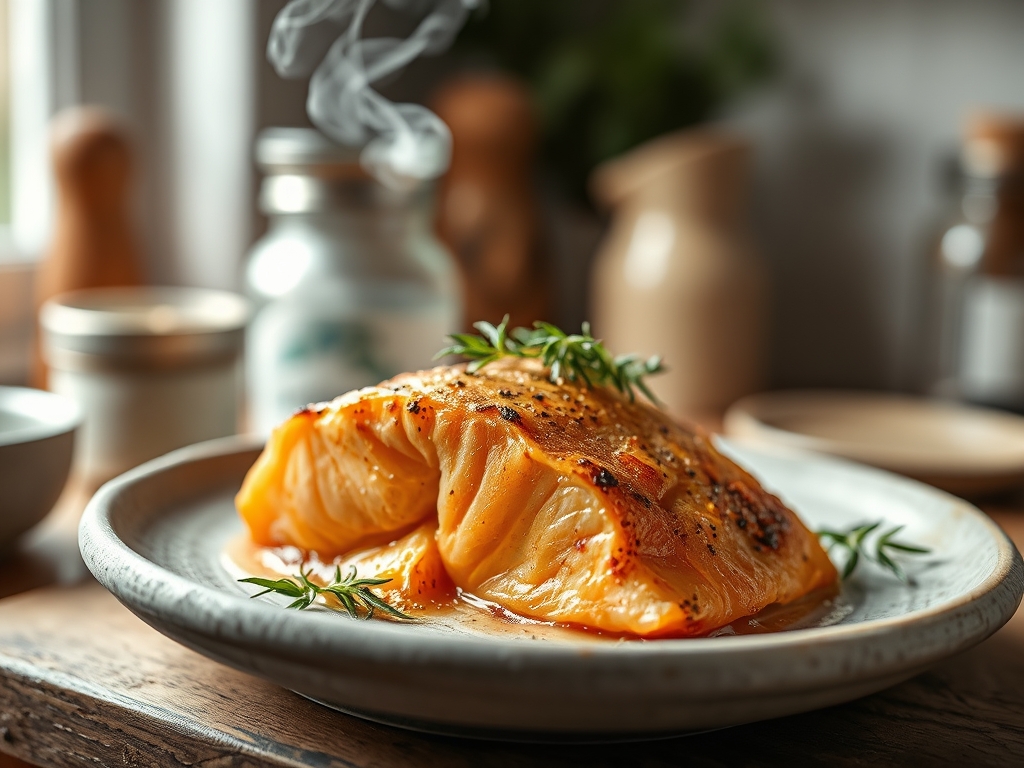
Imagine the sound of a vacuum seal breaking; that sharp, satisfying pop that signals the start of a quick and nutritious meal. While fresh fillets often get the spotlight, jarred salmon recipes are the secret weapon of the modern, science-minded home cook. It is shelf-stable, impeccably preserved, and packed with the kind of umami depth that only a light brine can provide.
We are moving past the basic salad topper. Think of jarred salmon as a pre-cooked canvas ready for high-heat searing, delicate folding, or emulsifying into silky spreads. Because the fish is already thermally processed, the cellular structure is tender, meaning we focus entirely on texture and flavor infusion rather than worrying about internal temperatures. From crispy pan-seared cakes to piquant pasta tosses, these eight creative methods will transform your pantry staple into a gourmet centerpiece. Grab your favorite heavy-bottomed skillet and a sharp microplane; we are about to elevate the humble jar into a culinary masterpiece.
The Gathers:
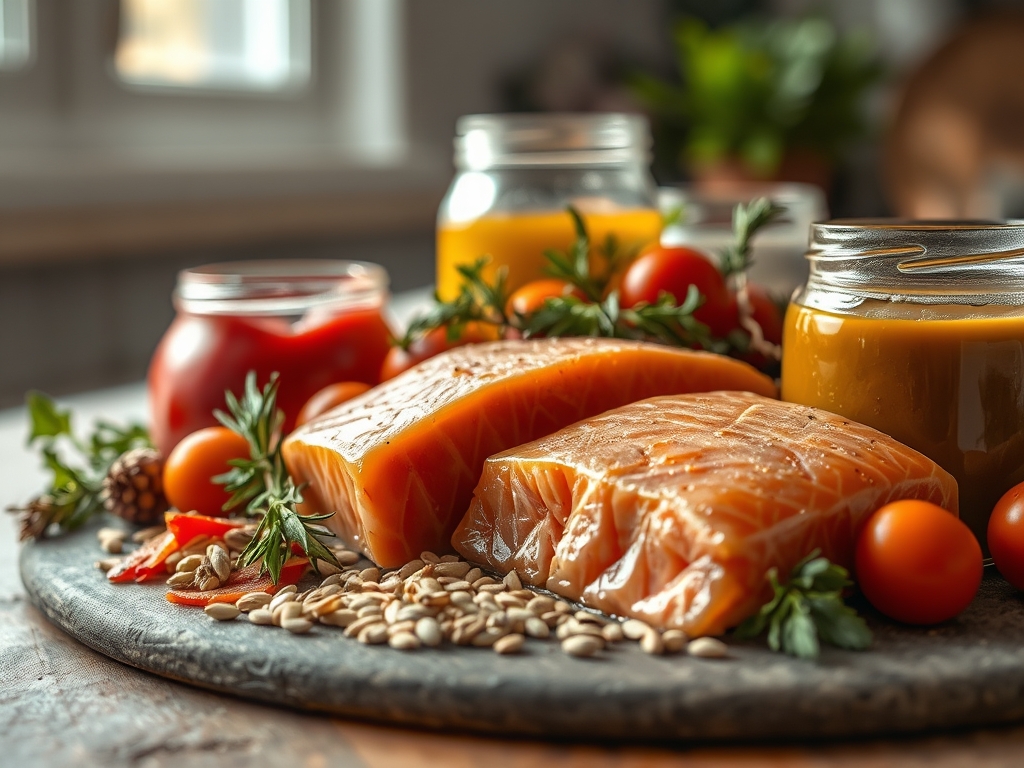
Before we ignite the burners, we must organize our mise-en-place. Jarred salmon is unique because it often includes skin and soft, calcium-rich bones. These are edible and provide a massive nutritional boost, but if you prefer a smoother mouthfeel, you can gently flake the meat away from the spine using a fork. You will need high-fat binders like Greek yogurt or avocado oil mayonnaise to maintain a viscous consistency in cakes and dips.
For aromatics, gather fresh dill, capers, and shallots. The acidity in capers is essential to cut through the fatty acids of the fish. If you are looking for smart substitutions, try using silken tofu instead of mayo for a lighter base, or swap breadcrumbs for almond flour to keep things gluten-free. Always keep a bottle of dry white wine nearby to deglaze your pan; this lifts the browned bits (the fond) and incorporates them back into your sauce for a complex, savory profile.
The Clock:
Efficiency in the kitchen relies on the Chef's Flow. This means grouping tasks to minimize downtime. For most jarred salmon recipes, the active prep time is a mere ten minutes because the protein is already cooked. The "Clock" usually breaks down into five minutes of flaking and seasoning, followed by eight to twelve minutes of thermal application (searing or simmering).
Total time from pantry to plate is typically under twenty minutes. To optimize your flow, start by heating your cookware while you chop your aromatics. By the time your skillet reaches the smoke point of your chosen oil, your salmon mixture should be seasoned and ready to hit the heat. This prevents the fish from sitting in salt for too long, which can draw out excess moisture and result in a dry final product.
The Masterclass:
1. The Crispy Maillard Sear
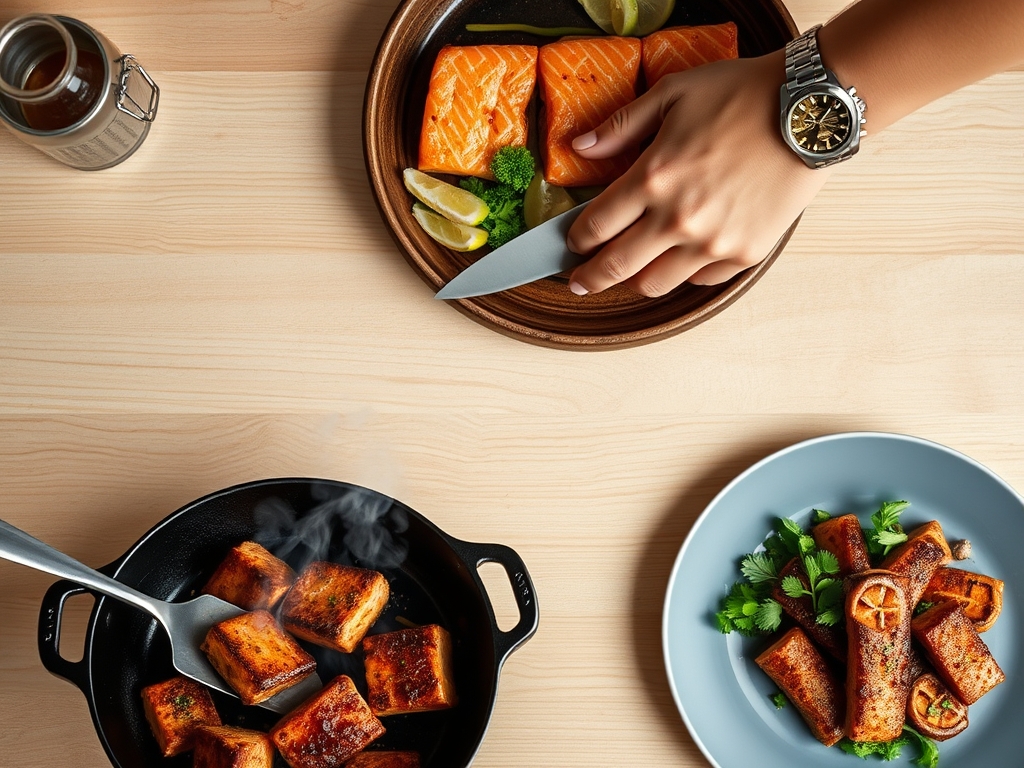
Drain your salmon thoroughly using a fine-mesh sieve. Pat it dry with a lint-free towel to remove surface moisture. Toss the flakes with a pinch of cornstarch and sear in a hot saucier with neutral oil until a golden crust forms.
Pro Tip: This relies on the Maillard reaction, a chemical interaction between amino acids and reducing sugars. Removing surface water is vital; otherwise, the energy of the pan goes into evaporating moisture (steaming) rather than browning the proteins.
2. The Emulsified Mousse
Place the salmon in a food processor with softened butter, lemon zest, and white pepper. Pulse until the mixture is aerated and light. This creates a luxurious spread that rivals any high-end appetizer.
Pro Tip: This is a fat-in-water emulsion. Using a microplane for the lemon zest ensures the essential oils are released without the bitter white pith, providing a piquant lift that stabilizes the heavy fats.
3. The Piquant Pasta Deglaze
Sauté garlic and shallots in olive oil until translucent. Add the salmon and a splash of vermouth to deglaze the pan. Toss with al dente pasta and a ladle of starchy pasta water to create a glossy sauce.
Pro Tip: The starch in the pasta water acts as a surfactant. It binds the oil from the pan and the moisture from the fish together, preventing a greasy "broken" sauce and ensuring a silky mouthfeel.
4. The Omega-Rich Power Bowl
Flake the salmon directly over a bed of quinoa and massaged kale. Top with a soft-boiled egg and a drizzle of tahini. This requires zero cooking of the fish, preserving the delicate omega-3 chains.
Pro Tip: Massaging kale with salt and acid initiates enzymatic browning and softens the cellulose structure. This makes the greens easier to digest and creates a better textural contrast with the soft salmon.
5. The Salmon Croquette
Mix flaked salmon with one egg, panko, and Dijon mustard. Form into small pucks and chill for fifteen minutes before pan-frying. The chilling period is non-negotiable for structural integrity.
Pro Tip: Chilling allows the starches in the breadcrumbs to hydrate and the proteins in the egg to "set." This prevents the cakes from disintegrating when they hit the hot oil.
6. The Savory Breakfast Scramble
Whisk eggs with a splash of heavy cream and fold in the salmon at the very last second. Use a silicone spatula to create large, soft curds over low heat.
Pro Tip: Carryover cooking is the hero here. Remove the eggs from the heat while they still look slightly wet; the residual thermal energy will finish the cooking process without turning the salmon rubbery.
7. The Deconstructed Sushi Roll
Layer salmon over seasoned rice with cucumber, avocado, and nori strips. Drizzle with sriracha mayo and sprinkle with furikake for a quick, high-protein lunch.
Pro Tip: Seasoning your rice with rice vinegar and sugar while it is hot allows the grains to absorb the liquid. As it cools, the sugar creates a slight tackiness that holds the bowl's components together.
8. The Smoked Salmon Dip Upgrade
Fold jarred salmon into cream cheese with liquid smoke and fresh chives. Use a stand mixer to aerate the cheese, making it light and dippable.
Pro Tip: Aeration incorporates air bubbles into the fat matrix of the cream cheese. This increases the surface area of the dip on your palate, making the smoky flavors feel more intense and immediate.
The Deep Dive:
Nutritionally, jarred salmon is a powerhouse. It typically contains high levels of Vitamin D and B12, along with roughly 20 grams of protein per serving. For those on specific diets, it is naturally Keto and Paleo-friendly. To make it vegan, you would need to swap the fish for mashed chickpeas seasoned with nori flakes to mimic the sea-salt profile.
If you encounter pitfalls, do not panic. If your salmon cakes are falling apart, add a tablespoon of flour to bind the excess moisture. If the flavor is too "fishy," increase your acid; a squeeze of fresh lemon or a teaspoon of vinegar neutralizes the amines responsible for that scent. For meal prep, reheat salmon gently. High-power microwaving can denature the proteins too quickly, making them tough. Use a low power setting or a covered pan on the stovetop with a tablespoon of water to create a steam-reheating environment.
The Wrap-Up:
You are now officially equipped to turn that lonely jar of salmon into a rotating cast of culinary hits. By understanding the science of emulsions, the Maillard reaction, and moisture control, you have elevated a pantry basic into a high-performance ingredient. Whether you are whipping up a quick weeknight pasta or a sophisticated mousse for guests, remember that the quality of your tools and the precision of your techniques are what make the difference. Go forth, experiment, and let that vacuum seal pop be the start of something delicious.
The Kitchen Table:
Can I use the liquid from the salmon jar?
Yes, that liquid is a concentrated brine filled with nutrients and flavor. Use it to replace part of the water when cooking rice or as a base for a savory seafood pan sauce to boost the umami profile.
How do I get rid of the "canned" smell?
The scent comes from oxidized fats. Neutralize it by adding bright acids like lemon juice, lime, or vinegar. Fresh herbs like dill and parsley also contain chlorophyll, which helps mask and balance strong oceanic aromas.
Is jarred salmon as healthy as fresh salmon?
Absolutely. Jarred salmon is typically processed quickly after harvest, locking in omega-3 fatty acids and minerals. Since the bones are often included and softened, it actually provides significantly more calcium than a standard fresh fillet.
How long does jarred salmon last after opening?
Once the seal is broken, treat it like fresh fish. Store it in an airtight glass container in the refrigerator and consume it within two to three days. Never store it in the original metal lid jar if it shows oxidation.