
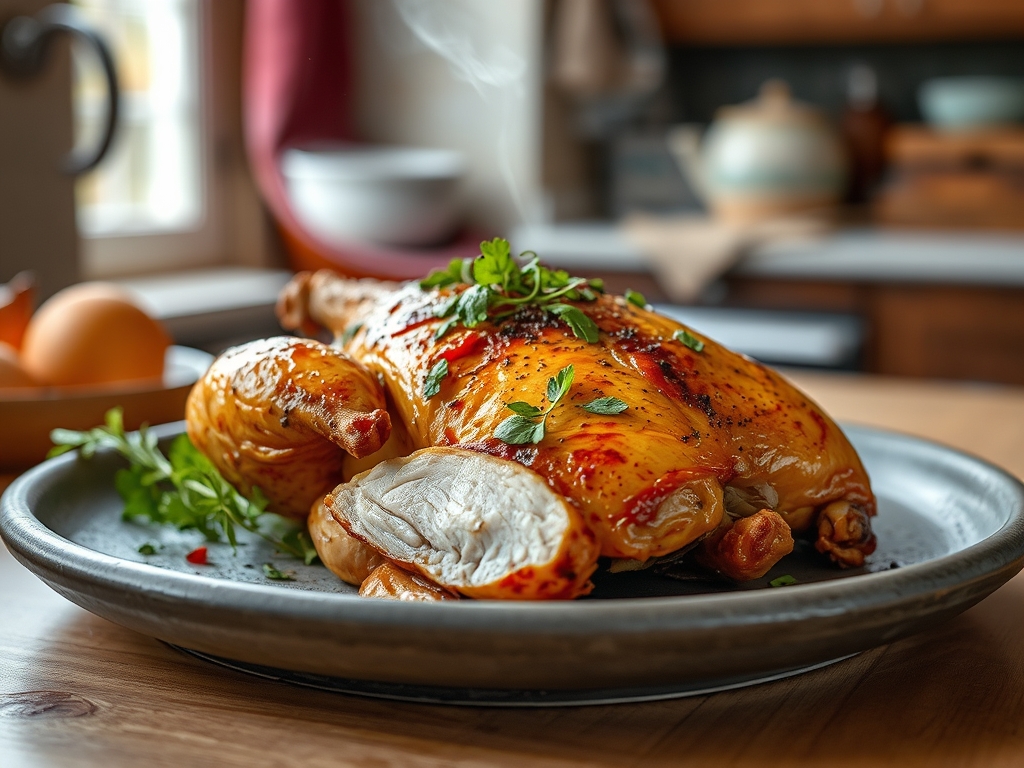
Picture this: you are standing in front of the refrigerator at 6:00 PM; the light is clinical; your energy is depleted. On the middle shelf sits that supermarket rotisserie chicken, its skin now a bit tacky but its potential remains infinite. Most people see a sad carcass, but we see a shortcut to culinary excellence. Finding leftover rotisserie chicken recipes easy enough for a Tuesday but sophisticated enough for a dinner party is a literal superpower. We are going to transform that pre-roasted bird into six distinct masterpieces that leverage existing Maillard reactions to save you thirty minutes of searing time. We are talking about deep, developed flavors without the sweat equity.
The secret to success is treating the chicken not as a "leftover," but as a high-quality protein concentrate. Because the bird has already undergone thermal processing, our goal is to reintroduce moisture through capillary action and fat-based emulsions. We will use professional techniques to ensure the meat does not turn into sawdust. From piquant Thai-inspired salads to viscous, silk-textured pastas, these six methods turn a humble grocery store staple into a gourmet arsenal. Let us grab our heavy-bottomed skillets and get to work.
The Gathers:
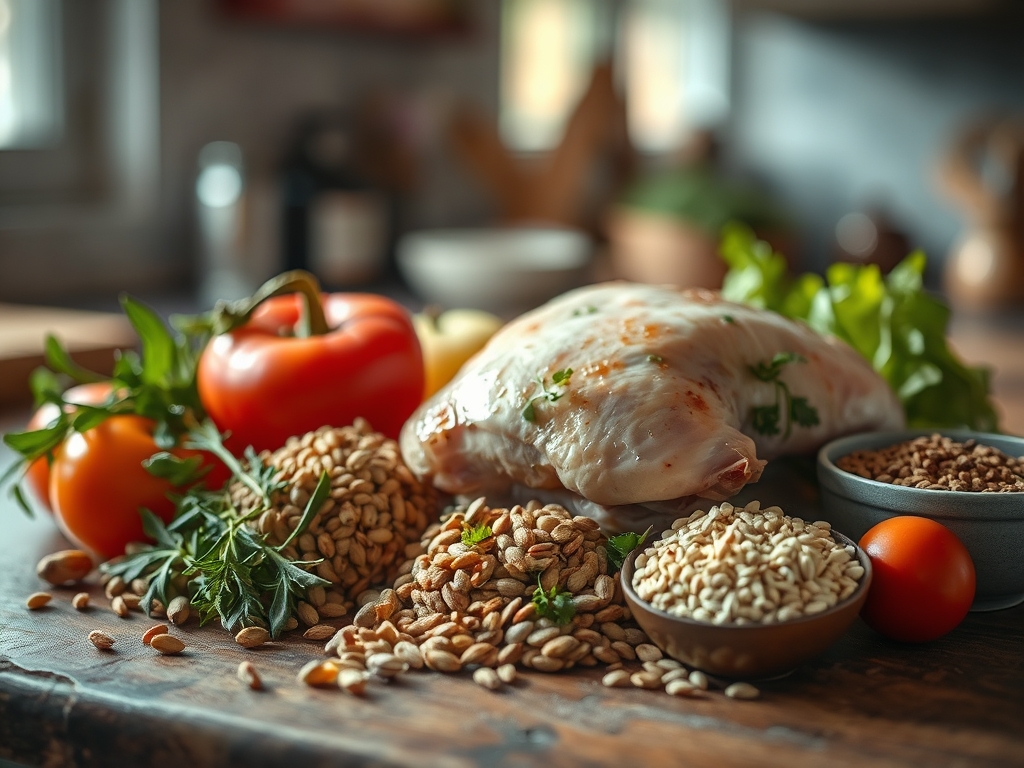
Before we ignite the burners, we must arrange our mise-en-place. To execute these leftover rotisserie chicken recipes easy and fast, you need a balance of acidity, fat, and aromatics. Start by stripping the bird while it is still slightly chilled; this allows for cleaner muscle fiber separation. You will need a high-quality bench scraper to clear your board and a microplane for zesting aromatics.
The Essentials:
- The Protein: 3 to 4 cups of shredded rotisserie chicken, separated into white and dark meat.
- The Aromatics: Fresh ginger, garlic cloves, and shallots. These provide the volatile organic compounds that create a "fresh" scent profile.
- The Acids: Rice vinegar, lime juice, and a sharp Greek yogurt. These break down tough fibers and brighten the heavy fats.
- The Textures: Toasted sesame seeds, slivered almonds, or crisp radishes to provide a sensory contrast to the soft meat.
Smart Substitutions:
If you lack shallots, use the white parts of green onions for a similar sulfurous bite. No heavy cream? A dollop of full-fat coconut milk provides the same viscous mouthfeel with a tropical twist. If you are out of fresh limes, a pinch of citric acid or a splash of verjus can mimic that essential piquant finish.
The Clock:
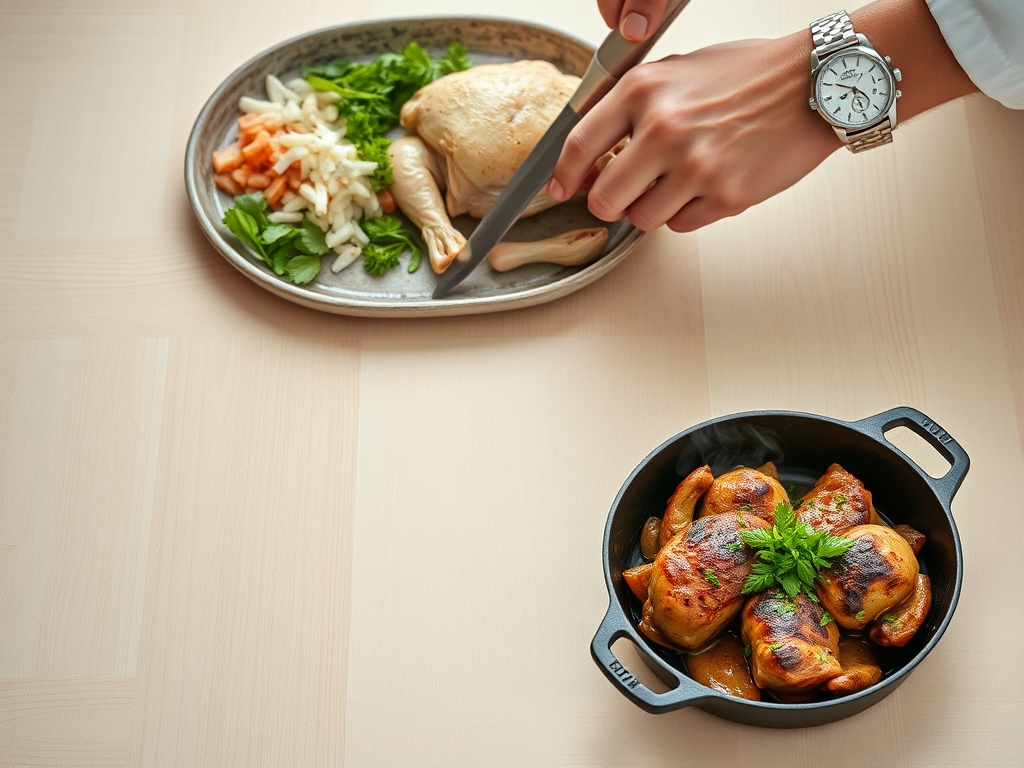
Efficiency in the kitchen is about Chef's Flow, the art of overlapping tasks so that no second is wasted. These six recipes are designed to move from cutting board to table in under 20 minutes. We allocate 5 minutes for the "breakdown" (shredding the bird), 5 minutes for the "aromatic sweat" (softening vegetables), and 10 minutes for the "integration" (marrying the flavors).
By using a digital scale to portion your ingredients, you eliminate the guesswork that leads to over-seasoning. The flow is simple: start your starch (boiling water for pasta or steaming rice) first. While the starch hydrates, use your tongs to toss the chicken in your sauce of choice. By the time the pasta is al dente, your chicken is perfectly tempered. This synchronized timing ensures that the chicken never spends too much time under direct heat, preventing the dreaded protein denaturation that leads to dryness.
The Masterclass:
1. The 10-Minute Velvet Chicken Curry
In a saucier, bloom two tablespoons of red curry paste in coconut cream until the oil separates. This is a sign that the fat-soluble flavors have been fully released. Fold in your shredded chicken and a splash of fish sauce.
Pro Tip: This relies on osmotic pressure; by simmering the chicken briefly in a high-sodium sauce, the liquid is pulled into the dry cells of the meat, rehydrating it instantly.
2. Piquant Lime and Ginger Chicken Tacos
Use a heavy-bottomed skillet to flash-fry the chicken skin until it renders its remaining fat and becomes shatter-crisp. Toss the warm meat with lime zest and grated ginger.
Pro Tip: This utilizes thermal carryover. Remove the meat from the heat just before you think it is done; the residual energy will finish the warming process without evaporating the internal moisture.
3. The Mediterranean Chicken Orzo
Deglaze a pan with white wine after sautéing garlic and spinach. Toss in the orzo and chicken, finishing with a massive amount of lemon juice and feta.
Pro Tip: The acidity in the wine and lemon acts as a denaturant, softening the chicken's connective tissues for a more tender bite.
4. Cold Sesame Shrapnel Salad
Shred the breast meat into fine "shrapnel" and toss with a dressing made of tahini, soy sauce, and chili oil. Use your microplane to shower the dish with fresh garlic.
Pro Tip: Cold fats are more viscous. This thick dressing coats the chicken fibers, creating a barrier that prevents the meat from tasting "refrigerator-dry."
5. Garlic-Butter Chicken Carbonara
Whisk egg yolks and pecorino in a bowl. Toss hot pasta and room-temperature chicken into the egg mixture away from the heat.
Pro Tip: This is the science of emulsification. The residual heat of the pasta melts the cheese and "sets" the egg into a creamy sauce without scrambling it.
6. The Ultimate Chicken Pesto Melt
Layer chicken, provolone, and pesto between sourdough slices. Use a weight or second skillet to press the sandwich in a pan.
Pro Tip: This triggers the Maillard reaction on the bread while the enclosed environment steams the chicken, keeping it succulent.
The Deep Dive:
When we look at the Macro Nutrition, rotisserie chicken is a lean-protein powerhouse. A standard 4-ounce serving provides roughly 25 grams of protein. By removing the skin, you significantly drop the saturated fat content, making it a perfect base for Keto (pair with avocado) or GF (pair with quinoa) diets. For a Vegan swap in these flavor profiles, substitute the chicken with pulled king oyster mushrooms or soy curls; they mimic the fibrous texture of chicken perfectly.
The Fix-It: Troubleshooting Common Pitfalls
- The Dryness Crisis: If the chicken feels like cardboard, whisk a tablespoon of warm chicken bone broth into your sauce. This introduces collagen, which adds a silky mouthfeel.
- The "Fridge" Funk: Leftover meat can develop "Warmed-Over Flavor" due to lipid oxidation. Fix this by adding strong antioxidants like fresh rosemary or a heavy squeeze of citrus to neutralize the metallic notes.
- Soggy Texture: If your chicken is too wet, hit it with a high-heat sear in a cast iron skillet for 60 seconds to create a crust before adding it to your dish.
Meal Prep & Reheating Science:
To maintain "day-one" quality, never microwave chicken on high power. Use the 50 percent power setting to allow heat to conduct slowly. Better yet, use a sous-vide bag or a tightly sealed foil packet in a toaster oven to prevent moisture loss through evaporation.
The Wrap-Up:
You are now officially the master of the "Second Act" bird. By understanding the molecular mechanics of rehydration and the importance of viscous sauces, you have turned a convenience item into a culinary asset. These leftover rotisserie chicken recipes easy enough for a novice are now elevated by your professional technique. Go forth, use your tongs with confidence, and never settle for a boring leftover again. Your kitchen is a laboratory; make it delicious.
The Kitchen Table:
How long is rotisserie chicken good for in the fridge?
Stored in an airtight container, it remains safe and flavorful for three to four days. Ensure it reaches a temperature of 40 degrees Fahrenheit quickly after purchase to inhibit bacterial growth and preserve the protein structure.
Can I freeze leftover rotisserie chicken?
Yes, shred the meat first and freeze it in vacuum-sealed bags for up to four months. This prevents freezer burn and allows you to defrost only what you need for a single serving of pasta or salad.
How do I make the skin crispy again?
Remove the skin and flash-fry it in a heavy-bottomed skillet with a teaspoon of neutral oil. This renders the subcutaneous fat, resulting in a "chicken crackling" texture that adds a salty, savory crunch to any dish.
What is the best way to shred the meat?
Shred the chicken while it is slightly warm for the easiest separation. Use two forks to pull along the natural grain of the muscle fibers, or use a stand mixer with a paddle attachment for bulk processing in seconds.