
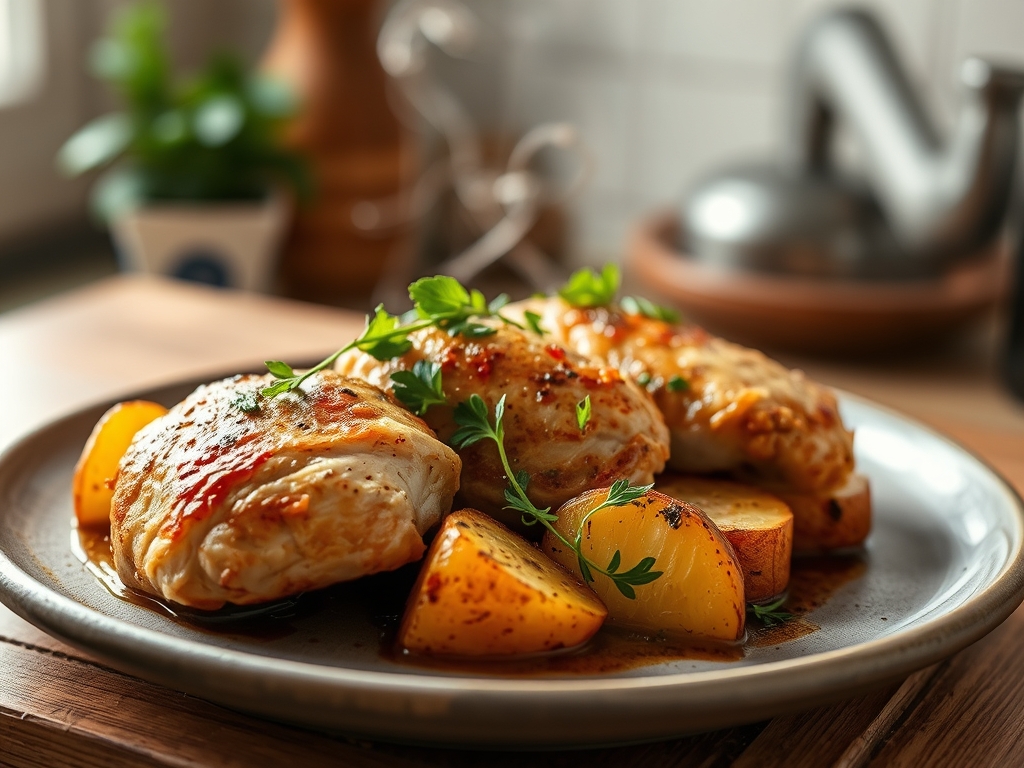
Imagine the sound of a heavy bottomed skillet meeting a high flame; it is the opening chord of a culinary symphony. The scent of rendering poultry fat begins to fill the air, promising a meal that is both grounded and sophisticated. Finding truly easy chicken recipes with potatoes is about more than just convenience; it is about the chemical marriage of starch and protein. When the juices from a roasting bird seep into a bed of sliced tubers, you are witnessing a fundamental exchange of flavor and moisture. This guide will transform your weeknight routine into a masterclass of texture and heat management. We are diving deep into the mechanics of the Maillard reaction to ensure every bite is a perfect balance of crispy skin and velvet soft interior. Whether you are looking for a rustic tray bake or a refined pan sear, these nine pairings represent the pinnacle of comfort food science. Grab your favorite apron and let us get to work.
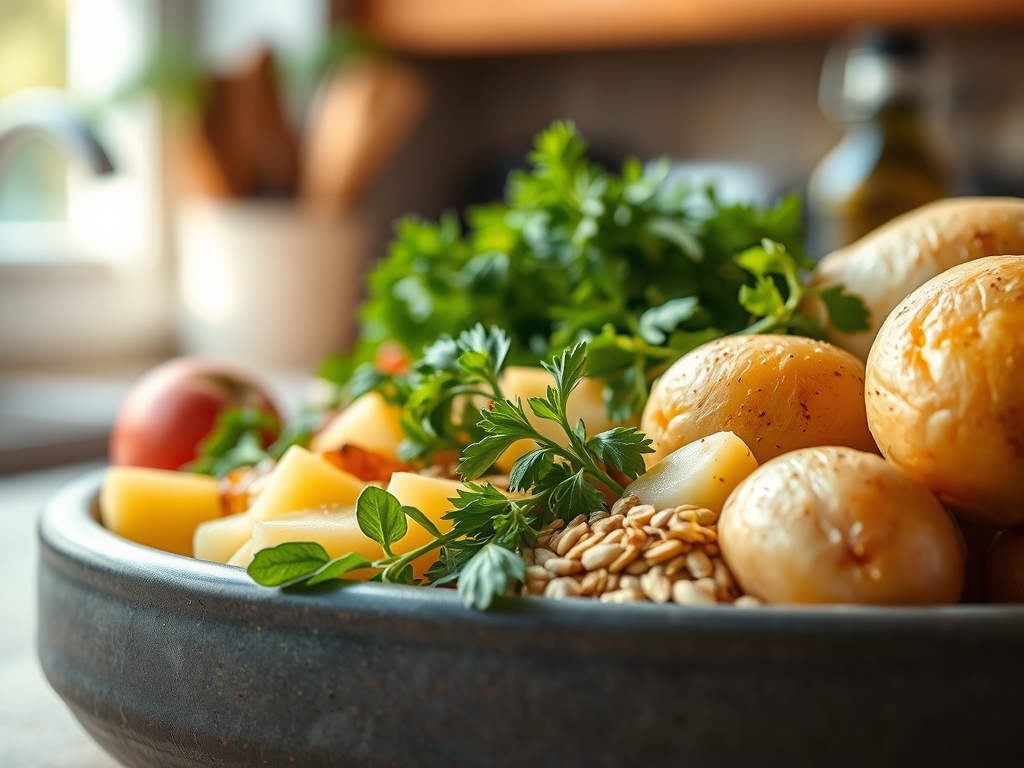
The Gathers:
To execute these easy chicken recipes with potatoes like a professional, your mise en place must be precise. Start with high moisture waxy potatoes like Yukon Golds for roasting, or starchy Russets if you desire a fluffy mash. Your chicken should be patted bone dry with paper towels; moisture is the enemy of the golden crust. You will need a high smoke point oil like avocado or grapeseed oil to handle the searing temperatures without breaking down into acrid compounds.
Fresh aromatics are non negotiable. Use a microplane to zest lemons and grate fresh garlic into a fine paste; this increases the surface area and allows the essential oils to infuse the fat more efficiently. Reach for woody herbs like rosemary and thyme, as their volatile oils are heat stable and can withstand long roasting times.
Smart Substitutions:
If you find yourself without fresh poultry, bone-in, skin-on thighs are the most forgiving cut due to their high connective tissue content. For a lower glycemic index, swap traditional tubers for sweet potatoes or parsnips. If you are out of fresh garlic, use a dash of garlic oil or high quality granulated garlic, but avoid the pre minced jars which often carry a metallic, acidic aftertaste that can ruin a delicate pan sauce.
The Clock
Efficiency in the kitchen is governed by what professionals call the Chef's Flow. This is the art of overlapping tasks so that no second is wasted. For these easy chicken recipes with potatoes, expect a total commitment of 45 to 60 minutes. Preparation usually takes 15 minutes of active knife work. You will spend the first 10 minutes prepping the potatoes, as they often require a head start in the oven or a quick parboil to ensure they finish at the exact moment the chicken reaches its internal temperature.
The roasting or searing phase takes approximately 30 to 35 minutes. During this time, you are not just waiting; you are active. This is when you deglaze the pan, whisk your emulsions, and prepare your garnishes. By the time the digital thermometer reads 165 degrees Fahrenheit for the chicken, your potatoes should be fork tender with a crystalline, crunchy exterior. Resting the meat is a mandatory five minute step; it allows the muscle fibers to relax and reabsorb the juices, ensuring your plate remains clean and your meat remains succulent.
The Masterclass
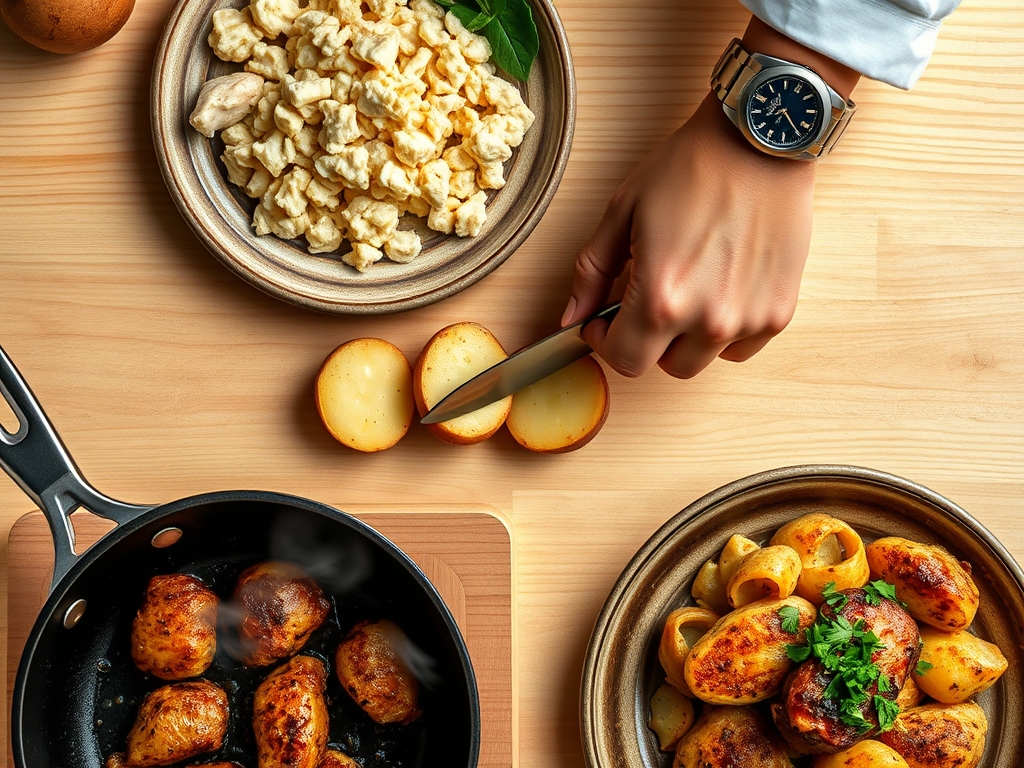
1. The Sear and Render
Place your chicken skin side down in a cold, heavy bottomed skillet before turning on the heat. This technique allows the fat to render slowly, resulting in a thinner, crispier skin without burning the protein underneath. Use your tongs to press the meat down, ensuring maximum surface contact.
Pro Tip: This process relies on the Maillard Reaction, a chemical reaction between amino acids and reducing sugars that gives browned food its distinctive flavor. Starting cold prevents the skin from shrinking too quickly and trapping unrendered fat.
2. The Tuber Foundation
While the chicken renders, toss your potato wedges in the released fat. The lipids act as a heat conductor, ensuring the potatoes brown evenly. Arrange them in a single layer to avoid steaming; overcrowding the pan is a recipe for mushy textures.
Pro Tip: Potatoes contain amylopectin, a starch that becomes sticky when heated. By coating them in fat early, you create a barrier that allows the exterior to crisp through dehydration while the interior remains creamy.
3. The Infusion Phase
Drop in your smashed garlic cloves and herb sprigs during the last ten minutes of cooking. Use a large metal spoon to baste the chicken with the flavored fat. This technique, known as arrosage, ensures the aromatics penetrate the meat without burning the delicate herbs.
Pro Tip: Volatile compounds in herbs are fat soluble. By basting, you are using the rendered chicken fat as a vehicle to transport flavor molecules deep into the muscle tissue.
4. The Deglaze and Emulsify
Remove the chicken and potatoes to a warm plate. Pour off excess fat and add a splash of white wine or stock to the hot pan. Use a whisk or a wooden spoon to scrape up the brown bits, known as the fond, which contain concentrated savory notes.
Pro Tip: This creates a pan sauce emulsion. Adding a cold pat of butter at the very end and whisking vigorously will suspend fat droplets in the liquid, creating a viscous, glossy sauce that clings to your easy chicken recipes with potatoes.
The Deep Dive
From a nutritional standpoint, easy chicken recipes with potatoes offer a balanced profile of lean protein and complex carbohydrates. A standard serving provides approximately 35 grams of protein and 30 grams of carbohydrates. To optimize this for different lifestyles, consider these swaps. For a Keto version, replace potatoes with cauliflower florets or radishes, which take on a remarkably similar texture when roasted. For a Vegan alternative, use oyster mushrooms or thick cut cauliflower steaks seasoned with poultry herbs to mimic the savory profile.
The Fix-It: Common Pitfalls
- Soggy Potatoes: This usually happens due to overcrowding. Use a larger sheet pan or two separate pans to allow air circulation.
- Dry Chicken: This is a result of carryover cooking. Pull the chicken at 160 degrees Fahrenheit; the internal temperature will rise to the safe 165 degree mark while resting.
- Burnt Garlic: Never add minced garlic at the start of a high heat roast. Add it in the final stages or use whole, smashed cloves that can withstand the heat.
Meal Prep Science:
To maintain "day one" quality when reheating, avoid the microwave. The microwave agitates water molecules, which can make the chicken rubbery and the potatoes damp. Instead, use a toaster oven or air fryer at 350 degrees Fahrenheit. This re dehydrates the surface of the potatoes and chicken skin, restoring the original crunch through secondary evaporation.
The Wrap-Up
Mastering easy chicken recipes with potatoes is a rite of passage for any home cook who values both logic and flavor. By understanding the relationship between heat, fat, and starch, you move beyond following a script and start cooking with intuition. These pairings are versatile, reliable, and deeply satisfying. Whether you are feeding a crowd or just yourself, the science of a good roast never fails to deliver. Now, take these techniques, fire up your stove, and turn a simple bird and a few tubers into a culinary event.
The Kitchen Table
Why are my roasted potatoes always soft?
Soft potatoes usually result from overcrowding the pan, which traps steam. Ensure each potato piece has space around it. Using a high smoke point fat and a preheated heavy sheet pan also encourages a crisp, dehydrated exterior.
Can I cook chicken and potatoes in one pan?
Yes, but timing is critical. Potatoes take longer to soften than chicken takes to reach safety. Cut potatoes into smaller pieces or give them a ten minute head start in the oven before adding the chicken to ensure synchronized finishing.
What is the best chicken cut for roasting?
Bone-in, skin-on thighs are the gold standard. The bone acts as an insulator for even cooking, while the skin provides fat for the potatoes. Thighs are also more resistant to overcooking than lean breast meat.
How do I get crispy chicken skin every time?
The secret is dryness. Pat the chicken with paper towels until the surface is completely matte. Salt the skin at least thirty minutes prior to cooking to draw out deep moisture through osmosis, then pat dry again before searing.