
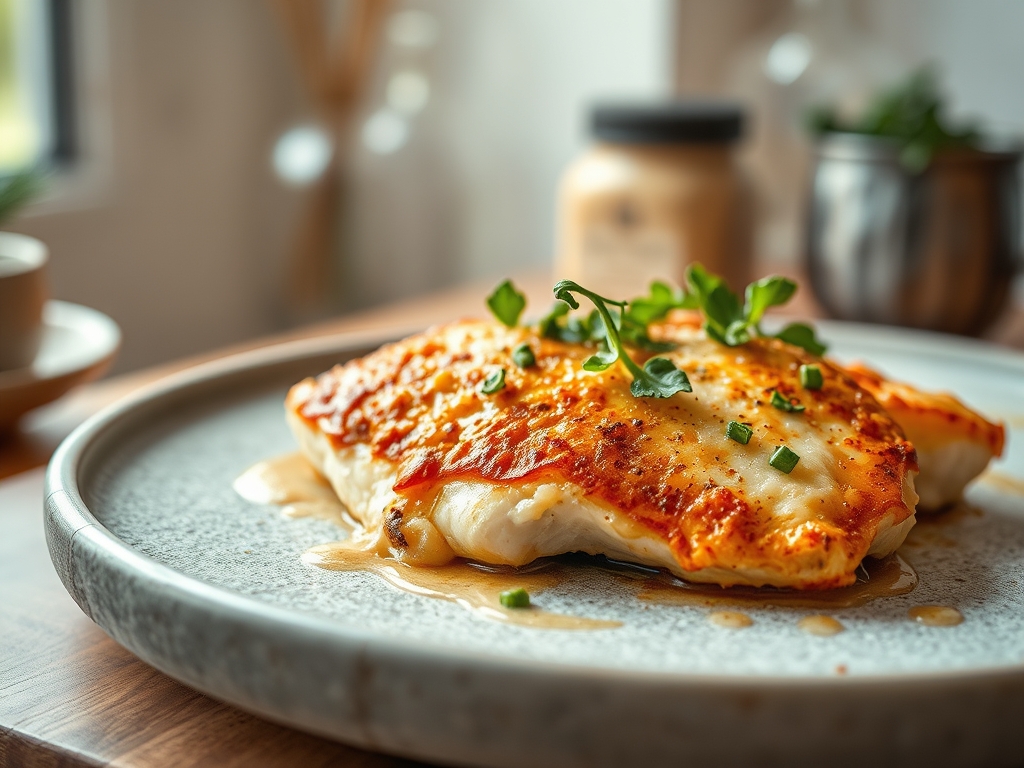
Close your eyes and listen for that specific, rhythmic sizzle. It is the sound of moisture rapidly evaporating from a panko crust as it hits a pool of shimmering olive oil. That golden, shattering crunch is the hallmark of the best parmesan chicken recipes easy enough for a Tuesday but sophisticated enough for a candlelit date. We are chasing the Maillard reaction here; that magical chemical transformation where amino acids and reducing sugars rearrange themselves into hundreds of flavor compounds. When the salty, nutty profile of aged Parmigiano-Reggiano meets the tender protein of a perfectly seared cutlet, the result is pure culinary alchemy. This is not just dinner. It is a masterclass in texture, salt management, and thermal control. I am going to show you how to achieve that elusive, glass-like exterior and succulent interior every single time.
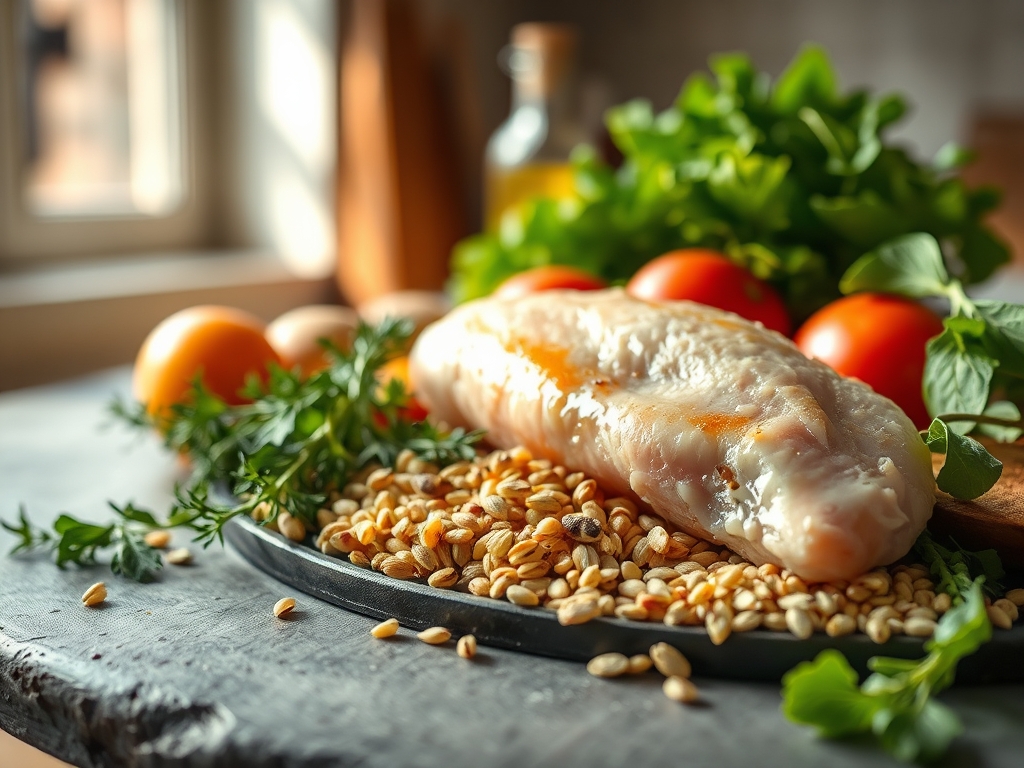
The Gathers:
Before we ignite the burner, we must respect the mise-en-place. Our primary protein is the chicken breast, which we will butterfly to ensure even heat distribution. You will need high-quality Parmigiano-Reggiano; look for the pin-dotted rind to ensure it is the real deal. Use a microplane to grate the cheese into a fine, snowy pile. This increases the surface area, allowing it to fuse seamlessly with the breadcrumbs. For the binder, we use a viscous egg wash spiked with a splash of heavy cream to increase the fat content, which leads to a richer mouthfeel.
Smart Substitutions:
If you are avoiding gluten, swap the panko for crushed pork rinds or almond flour. The protein structure of almond flour provides a piquant, nutty depth that mimics traditional breading. For a dairy-free "parm" profile, nutritional yeast offers a savory, umami-rich alternative that mimics the enzymatic complexity of aged cheese. Always use a digital scale to measure your dry ingredients; precision is the enemy of a soggy crust.
The Clock: 25 Minutes to Glory
The "Chef's Flow" is all about overlapping tasks to minimize downtime. You will spend 10 minutes on the "dredge station" and 15 minutes at the stove. While your heavy-bottomed skillet preheats, you are breading. By the time the last cutlet is coated, the oil should be exactly 350 degrees Fahrenheit. This synchronization ensures the breading does not sit and become hydrated by the chicken's natural juices, which would result in a gummy texture rather than a crisp one.
The Masterclass:
1. The Butterfly and Pound
Lay your chicken flat and use a sharp chef's knife to slice through the equator. Use a meat mallet to pound the pieces to a uniform half-inch thickness.
Pro Tip: Uniformity is about thermodynamics. Consistent thickness ensures the entire piece reaches the safe internal temperature of 165 degrees simultaneously, preventing the edges from drying out while the center remains raw.
2. The Triple-Dredge Sequence
Coat the chicken in seasoned flour, dip into the egg wash, and then press firmly into the parmesan-panko mixture. Use your bench scraper to keep your workspace tidy.
Pro Tip: This creates a protein-moisture barrier. The flour absorbs surface moisture, the egg acts as a biological glue, and the crumbs provide the structural architecture for the crunch.
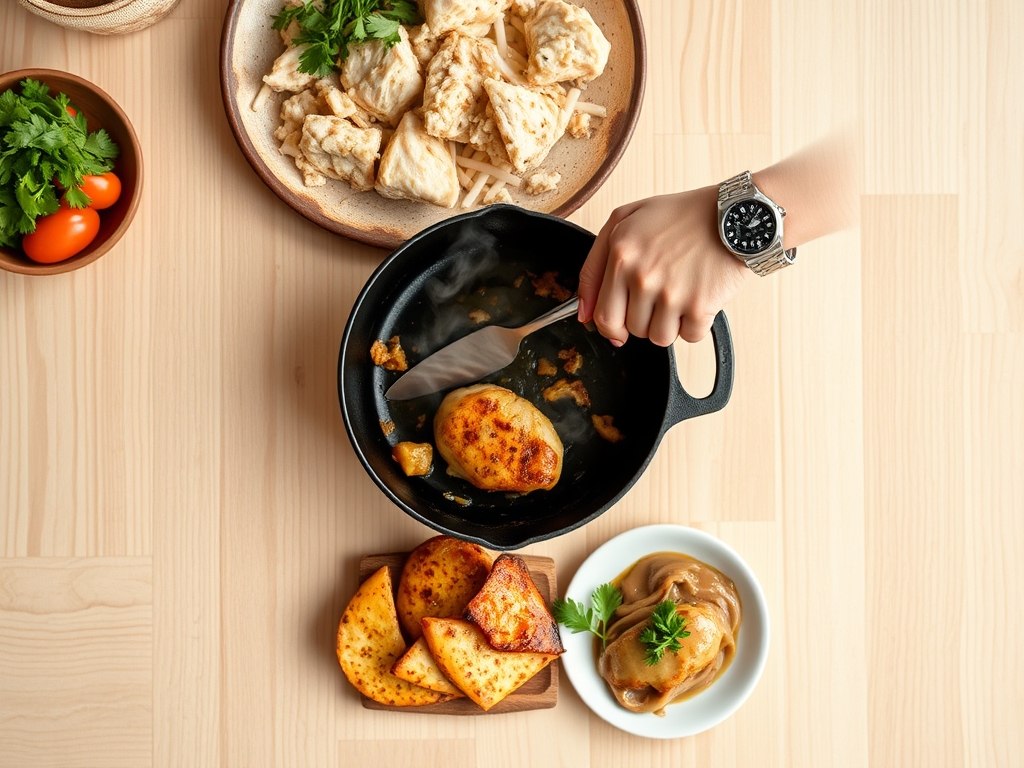
3. The Controlled Sear
Place the cutlets into the skillet using tongs, laying them away from you to avoid oil splatter. Do not crowd the pan.
Pro Tip: Crowding causes the pan temperature to plummet. Instead of searing, the chicken will steam in its own juices, ruining the Maillard reaction and leaving the crust limp.
4. The Aromatics Infusion
In the final two minutes of cooking, toss a knob of cold butter and a smashed garlic clove into the pan. Use a spoon to baste the foaming butter over the chicken.
Pro Tip: This is called arroser. The milk solids in the butter brown rapidly, adding a toasted, nutty aroma that penetrates the crust and enhances the piquant notes of the parmesan.
5. The Deglaze and Sauce
Remove the chicken and use a saucier or the same skillet to whisk in a splash of white wine or chicken stock, scraping up the browned bits (the fond).
Pro Tip: This process captures the concentrated flavor compounds stuck to the pan. The acid in the wine balances the heavy fats of the cheese and oil.
6. The Resting Phase
Transfer the chicken to a wire rack rather than a flat plate or paper towel.
Pro Tip: Resting on a rack allows air to circulate around the entire cutlet. This prevents "steam-back," where trapped heat turns the bottom of your crispy chicken into a soggy mess.
7. The Final Garnish
Finish with a shower of fresh parsley and a squeeze of lemon juice just before serving.
Pro Tip: The citric acid acts as a flavor brightener. It "cuts" through the density of the fats and salt, making the savory notes of the chicken pop on your palate.
The Deep Dive:
From a macro perspective, this dish is a protein powerhouse. A standard serving contains roughly 45 grams of protein and 12 grams of fat. To keep it keto-friendly, eliminate the flour and panko in favor of a pure parmesan and herb crust. For a vegan adaptation, use firm tofu pressed for 30 minutes and a flax-egg binder.
The Fix-It:
- The Breading Falls Off: This happens if the chicken was too wet. Pat the meat bone-dry with paper towels before the flour stage.
- The Cheese Burns: Parmesan has a low smoke point. If your cheese is blackening before the chicken is done, lower your heat and add a tablespoon of neutral oil.
- Dry Meat: You likely missed the thermal carryover. Pull the chicken at 160 degrees; the internal temperature will rise to the safe 165 mark while resting.
Meal Prep Science:
To reheat, avoid the microwave at all costs. The microwave excites water molecules, turning your crust into a sponge. Instead, use an air fryer or oven at 375 degrees for 5 minutes. This re-dehydrates the crust and re-renders the fats for "day-one" quality.
The Wrap-Up:
You are now armed with the technical prowess to dominate the kitchen. These parmesan chicken recipes easy methods are not just about following a list; they are about understanding how heat, salt, and protein interact. Go grab your microplane, find the best block of cheese in the shop, and turn your kitchen into a high-end bistro tonight. You have the skills; now go make some noise with that crunch!
The Kitchen Table:
How do I keep the breading from getting soggy?
Always rest your chicken on a wire cooling rack. This prevents steam from being trapped underneath the cutlet, which would otherwise hydrate the crust and turn it soft. Air circulation is the key to maintaining a permanent, glass-like crunch.
Can I bake this instead of frying it?
Yes. To achieve a similar Maillard reaction, pre-toast your breadcrumbs in a skillet with a little olive oil until golden before breading the chicken. Bake at 400 degrees Fahrenheit on a wire rack for maximum hot air contact.
What is the best cheese for parmesan chicken?
Use aged Parmigiano-Reggiano for the best results. It has a lower moisture content and higher salt concentration than "parmesan" in a green shaker can. This ensures it melts and crisps without releasing excess water into the breading.
Why is my chicken tough and rubbery?
Overcooking is the primary culprit. Chicken breast is lean and loses moisture rapidly once it passes 165 degrees. Use a digital meat thermometer to pull the chicken at 160 degrees and allow carryover cooking to finish the job.