
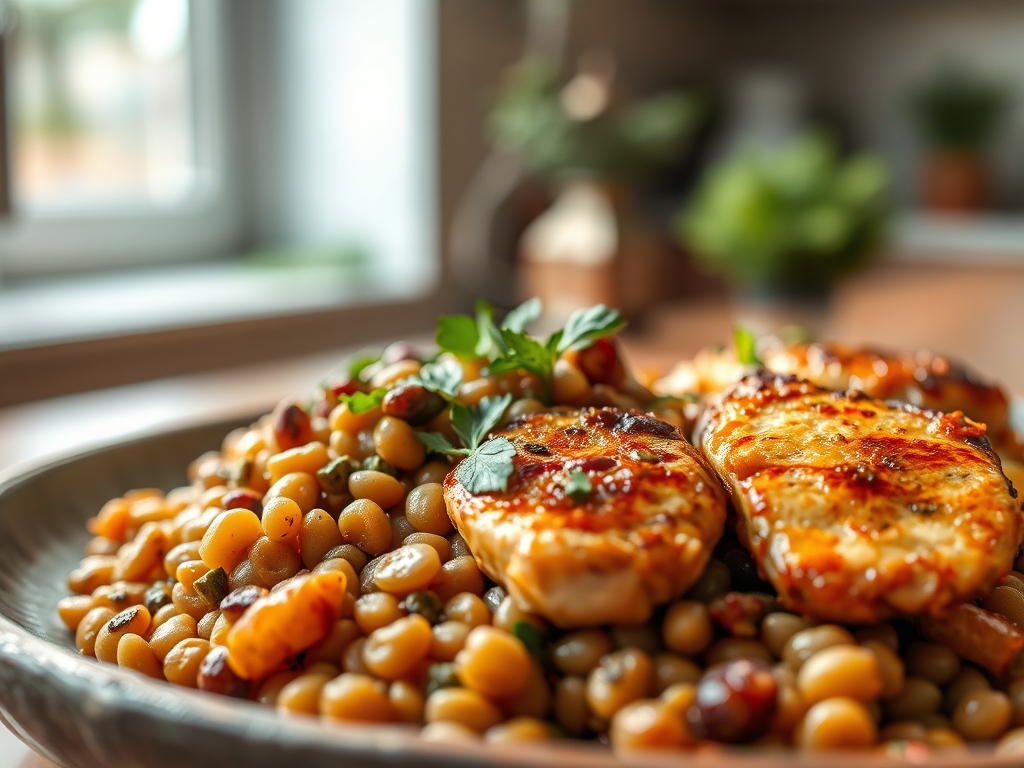
Picture a heavy bottomed skillet sizzling on the stovetop as chicken thighs render their golden fat into a mosaic of aromatics. The scent of toasted cumin and garlic fills the air; it is the olfactory equivalent of a warm hug. Mastering lentil and chicken recipes is the ultimate culinary power move because you are balancing high protein density with incredible fiber. It is rustic; it is elegant; and it is scientifically satisfying.
Lentils are the unsung heroes of the pantry. When paired with the savory depth of seared poultry, they absorb the cooking liquid to create a rich, viscous sauce that feels indulgent without being heavy. Whether you are craving a piquant Moroccan stew or a bright Mediterranean salad, these ingredients are your best friends for weeknight survival. We are going to dive deep into the chemistry of these legumes to ensure your chicken stays succulent and your lentils never turn to mush. This is not just about following a list of instructions; it is about understanding the molecular magic that happens when these two powerhouses collide in your kitchen.
The Gathers:
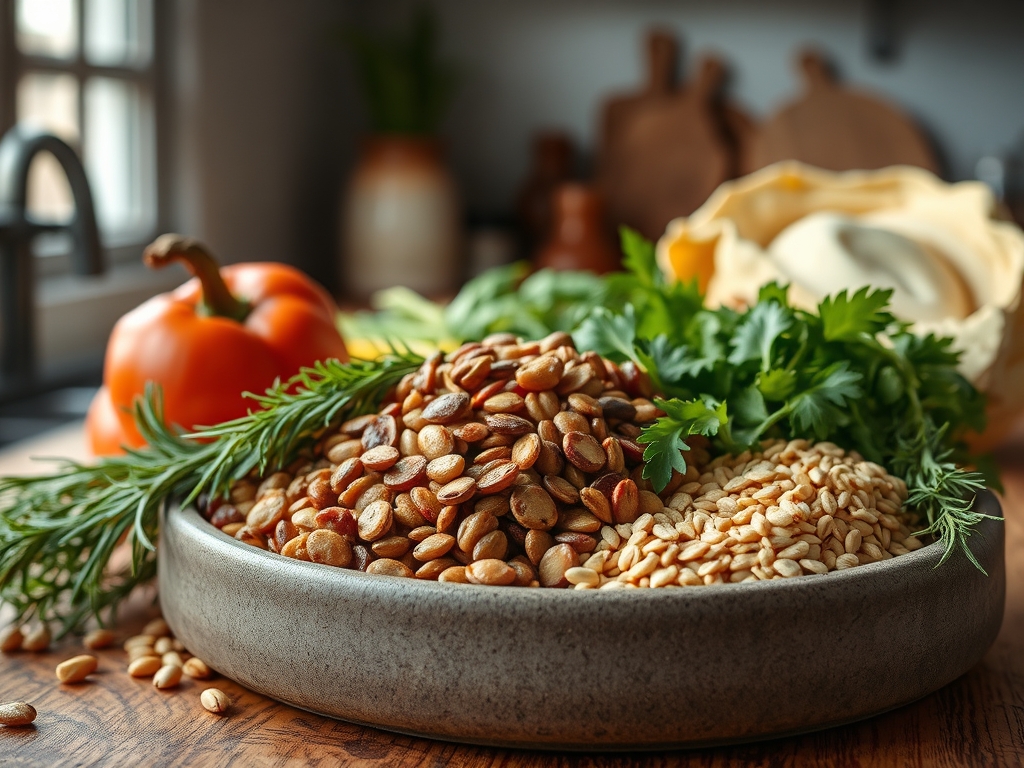
To execute these lentil and chicken recipes with precision, your mise-en-place must be impeccable. Start with your protein. I recommend bone-in, skin-on thighs for maximum flavor extraction, though breasts work if you monitor the internal temperature with a digital scale or probe. For the lentils, identify your goal. French Green (Puy) or Black Beluga lentils maintain their structural integrity due to a thicker seed coat. Red lentils contain less cellulose and will disintegrate into a creamy puree, which is perfect for thickening soups.
Gather your aromatics: yellow onions for their high sugar content (perfect for caramelization), carrots for beta-carotene and sweetness, and celery for that essential sodium hit. You will need a high-quality chicken stock; the gelatin content provides a silky mouthfeel that water simply cannot replicate. Do not forget your acids. A splash of apple cider vinegar or a squeeze of fresh lemon juice at the end will brighten the earthy notes of the legumes.
Smart Substitutions:
If you are out of fresh shallots, use the white parts of scallions for a similar piquant profile. If you find yourself without chicken stock, a dry white wine like Sauvignon Blanc can be used to deglaze the pan, followed by salted water and a knob of butter to emulate the richness of bone broth. For those avoiding nightshades, swap paprika for a pinch of turmeric and ground coriander to maintain a vibrant hue.
The Clock
Efficiency in the kitchen is all about the "Chef's Flow." Most lentil and chicken recipes require a total time of 45 to 60 minutes. Prep work takes roughly 15 minutes. This involves using a sharp chef's knife for a consistent dice and a microplane for your aromatics. The cooking phase is split into two parts: searing the meat and simmering the legumes.
The "Flow" dictates that you start your chicken first. While the skin is rendering in the skillet, you can finish chopping your vegetables. Once the chicken is removed to rest, the vegetables go into the same pan to soak up those brown bits (fond). By the time the lentils are tender, your kitchen is clean and your meal is ready. This overlapping technique ensures you are never standing around waiting for a pot to boil.
The Masterclass
1. The Sear and Render
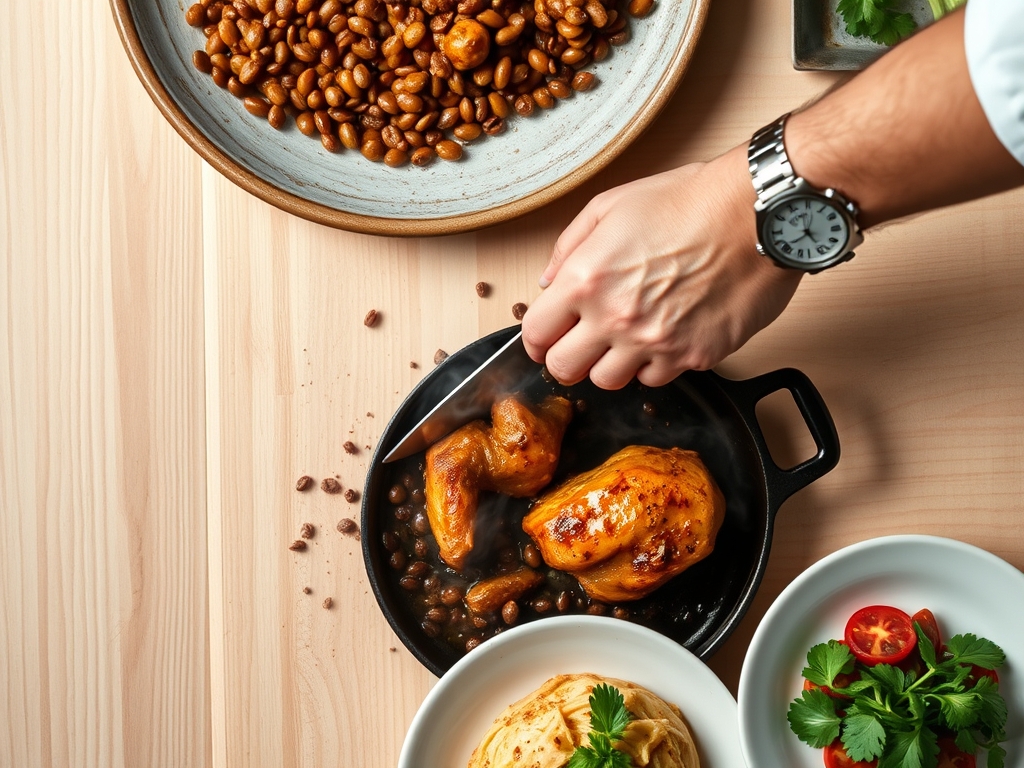
Heat your heavy-bottomed skillet over medium-high heat. Pat the chicken dry with paper towels to remove moisture; this is crucial for the Maillard reaction. Place the chicken skin-side down and do not move it until it releases naturally from the pan.
Pro Tip: This process is called lipid rendering. By starting in a cold or medium pan, you slowly melt the subcutaneous fat, resulting in shatteringly crisp skin and a flavorful base for your lentils.
2. Deglazing the Fond
Remove the chicken and set it aside on a warm plate. Toss in your diced aromatics. Once they are translucent, pour in a splash of liquid (wine or stock) and use a wooden spoon or bench scraper to lift the caramelized bits from the bottom.
Pro Tip: These brown bits are concentrated flavor molecules created by non-enzymatic browning. Incorporating them into the liquid ensures your lentils have a deep, savory profile.
3. The Legume Infusion
Add your rinsed lentils to the pan. Stir them for two minutes to toast the outer husks before adding your simmering liquid. This "toasting" phase adds a nutty dimension to the dish.
Pro Tip: Toasting the lentils creates a hydrophobic barrier on the surface. This slows down water absorption slightly, helping the lentils stay firm rather than becoming waterlogged.
4. The Gentle Simmer
Return the chicken to the pan, nestling it into the lentils but keeping the skin above the liquid line. Lower the heat to a whisper. Cover with a lid, leaving a tiny crack for steam to escape.
Pro Tip: Use a simmer mat if your stove runs hot. Maintaining a temperature just below boiling (around 190 degrees Fahrenheit) prevents the proteins in the chicken from tightening and becoming rubbery.
5. The Rest and Brighten
Once the lentils are "al dente" and the chicken reaches an internal temperature of 165 degrees, remove from heat. Let the dish sit covered for five minutes before stirring in fresh herbs and acid.
Pro Tip: This allows for thermal carryover. The residual heat finishes the cooking process gently while the fibers in the meat reabsorb their juices through capillary action.
The Deep Dive
When we look at the macro nutrition of lentil and chicken recipes, we see a near-perfect balance. A single serving typically provides 35 grams of protein and 12 grams of dietary fiber. This combination stabilizes blood sugar and promotes satiety.
Dietary Swaps:
For a Keto version, replace 75% of the lentils with cauliflower florets, adding them only in the last 10 minutes. For a Vegan alternative, swap chicken for thick slices of roasted cauliflower or "meaty" oyster mushrooms, using vegetable bouillon instead of chicken stock. All these recipes are naturally Gluten-Free, provided you check your spice blends for anti-caking agents that may contain wheat.
The Fix-It:
- Crunchy Lentils: If your lentils are still hard after the timer goes off, you likely added salt or acid too early. Salt can toughen the skins. Fix this by adding a pinch of baking soda to the liquid; it increases the pH and softens the pectin.
- Soggy Chicken Skin: If the skin lost its crunch, pop the skillet under the broiler for 120 seconds. Watch it like a hawk to avoid burning.
- Bland Base: If the flavor is flat, you need more "umami." Stir in a teaspoon of white miso paste or a dash of fish sauce. It won't taste like fish; it will just taste "more."
Meal Prep:
Lentils actually improve with age as the flavors continue to infuse. When reheating, add a tablespoon of water or stock to restore the viscous texture. Use a microwave-safe lid to trap steam, which prevents the chicken from drying out during the second round of heating.
The Wrap-Up
There is a reason lentil and chicken recipes are staples across the globe. They are affordable, incredibly nutrient-dense, and provide a canvas for almost any flavor profile you can imagine. By mastering the science of the sear and the patience of the simmer, you turn humble pantry staples into a five-star experience. So, grab your favorite skillet, put on some music, and let the kitchen therapy begin. Your future self (and your taste buds) will thank you.
The Kitchen Table
Which lentils are best for chicken stews?
French Green (Puy) or Black Beluga lentils are ideal. They possess a thick seed coat that allows them to maintain their shape during long simmering processes, preventing the dish from turning into a mushy puree.
Can I cook lentils and chicken in one pot?
Absolutely. Using a single heavy-bottomed skillet or Dutch oven allows the lentils to absorb the fats and juices rendered from the chicken, which significantly enhances the overall flavor profile and simplifies the cleanup process.
How do I prevent my chicken from drying out?
Use a digital meat thermometer to pull the chicken at 160 degrees Fahrenheit. The internal temperature will rise to the safe 165-degree mark through thermal carryover while the dish rests, ensuring the meat remains succulent.
Why are my lentils taking so long to soften?
Older lentils take longer to hydrate. Additionally, adding salt or acidic ingredients like tomatoes too early can strengthen the lentil's cell walls. Always add salt and acids toward the end of the cooking process for the best results.